
Navigating the Turbulent Business Landscape: Strategies for Malaysian Enterprises
The calm seas of global trade that businesses once sailed on have given way to choppier waters. Today, navigating the international market feels less like a predictable journey and more like steering a ship through a gathering storm. For business leaders here in Malaysia, headlines about trade disputes in North America or blockades in the Middle East are not distant news; they are tremors that can shake the very foundations of our operations. The global chessboard has been rearranged, and the old rules no longer seem to apply. In this article, we will explore this new landscape and offer practical strategies for Malaysian enterprises to not only survive but thrive amidst the uncertainty, ensuring they remain competitive and resilient.
The Shifting Tides of Global Trade
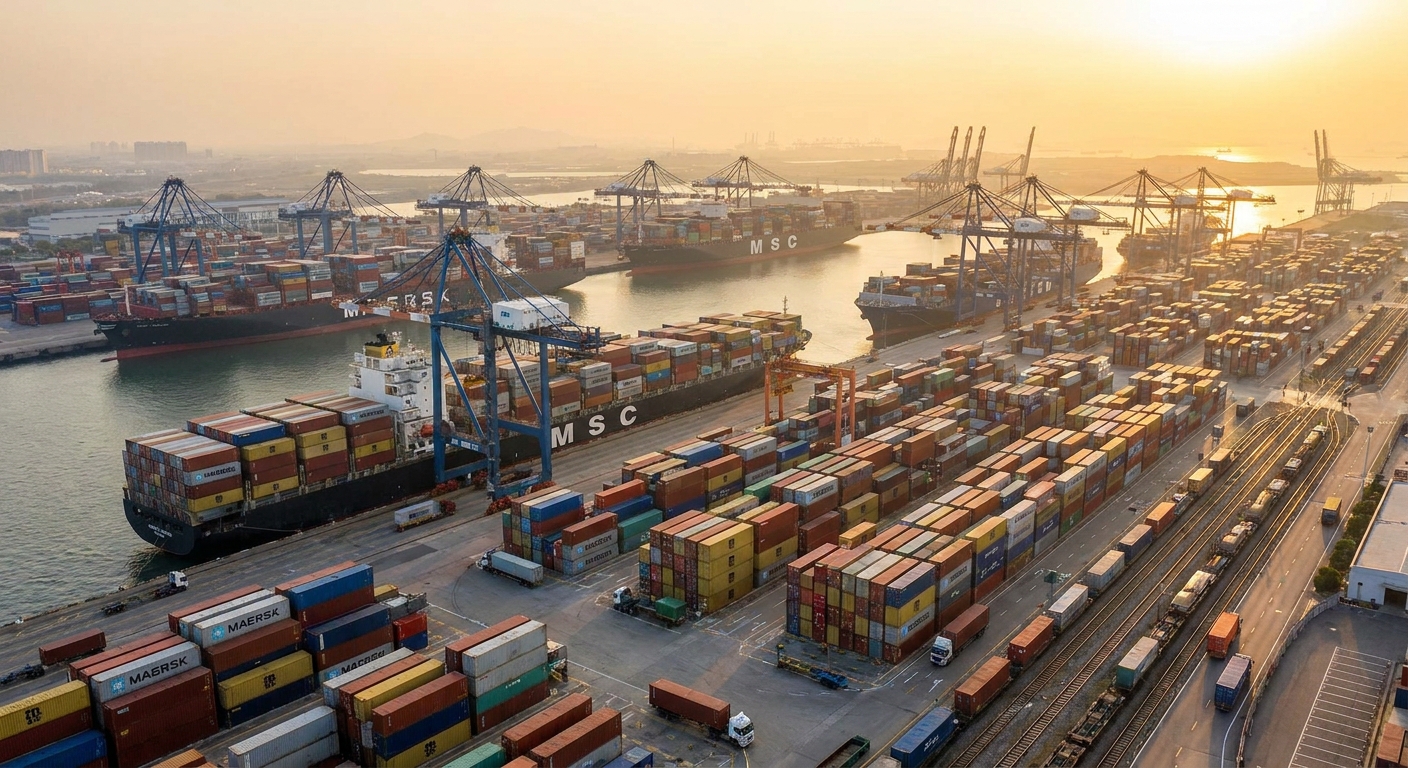
It is no secret that the global economic climate is more unpredictable than ever. We have seen how major trade disagreements, like the one between the United States and China, create ripple effects that reach our shores. Suddenly, tariffs can make raw materials more expensive, or a key export market might become harder to access. These are not small changes. They force businesses to rethink their entire supply chain, from where they source components to where they sell their finished products. An event happening halfway across the world, such as disruptions in the Red Sea, can lead to delayed shipments and increased freight costs, directly impacting a company’s bottom line in Penang or Johor Bahru.
Reinforcing Your Business’s Lifelines
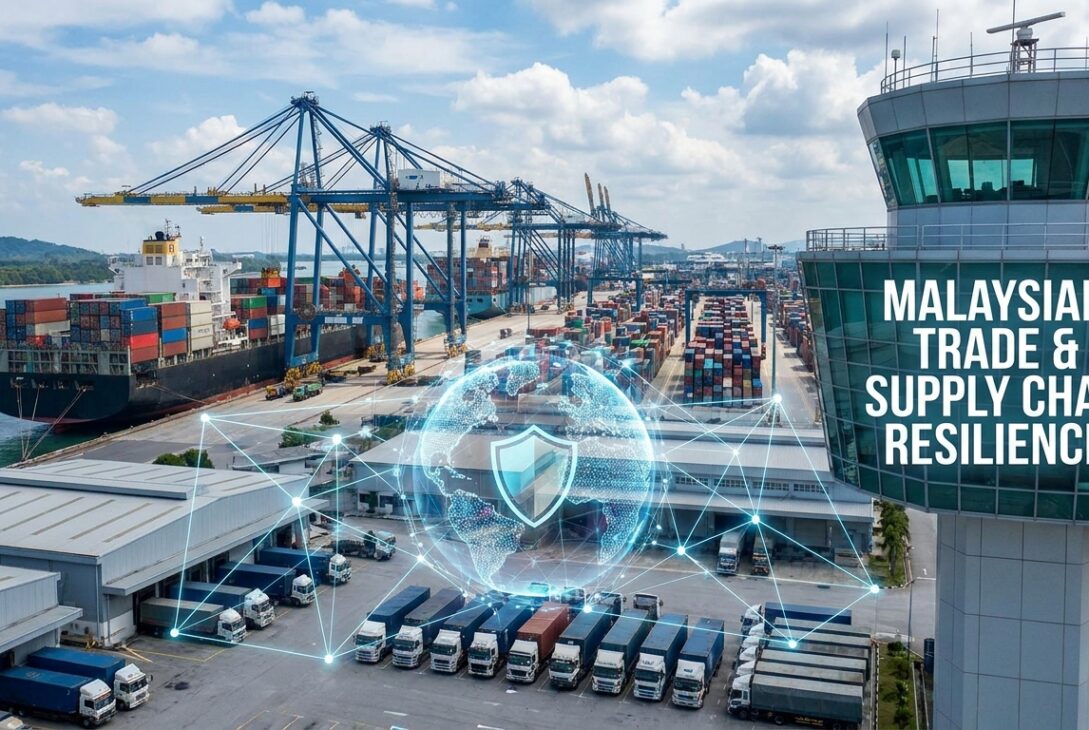
Relying on a single supplier or market is a risky strategy in today’s world. The key to stability is diversification. It is time for Malaysian businesses to actively explore alternative sources for their materials and new markets for their goods. Have you considered looking closer to home? The ASEAN region offers a wealth of opportunities, and trade agreements like the Regional Comprehensive Economic Partnership (RCEP) can make it easier and more cost-effective to trade with neighbouring countries. Building supply chain resilience for Malaysian enterprises means having a Plan B, C, and D. It is about creating a network of suppliers and customers so that if one path is blocked, you have several others to turn to.
Making Smart Moves from the Inside
While we cannot control global politics, we can control how our businesses react. Adapting your internal operations is just as important as diversifying your supply chain. This means embracing flexibility. Can your production lines be adjusted to use different materials if a primary source is disrupted? Can your pricing models be updated quickly to reflect new tariffs or shipping costs? It is also wise to invest in technology that gives you a clearer view of your entire supply chain, allowing you to spot potential problems before they become crises. Building a solid financial buffer is another smart move. Having cash reserves on hand can provide the breathing room needed to navigate a sudden price hike or a delayed payment without jeopardising the business.

Learning from Those Who’ve Adapted
Across Malaysia, many businesses are already making these changes and seeing positive results. We have seen electronics manufacturers, once heavily dependent on components from a single country, now sourcing from Vietnam and Thailand to spread their risk. Similarly, some furniture exporters who faced barriers in one market successfully pivoted to focus on growing demand in the Middle East and Australia. These stories show the real-world trade policy impact on Malaysian businesses and highlight a crucial lesson: agility wins. The companies that thrive are not necessarily the biggest, but the ones that can adapt the quickest. They study the challenges, learn from them, and adjust their strategies accordingly.
Building a Business That Bends, Not Breaks
The challenges presented by the current global trade environment are significant, but they are not insurmountable. For Malaysian business leaders, the path forward is not about finding a way back to the ‘old normal’ but about building an organisation that is prepared for the ‘new reality’. This means embracing a culture of proactive thinking and constant adaptation. By strategically diversifying supply chains, leveraging regional trade partnerships, and fostering internal agility, companies can weather the storm. The ultimate goal is to build a resilient enterprise that can bend with the winds of change without breaking. Understanding the trade policy impact on Malaysian businesses and strengthening supply chain resilience for Malaysian enterprises are no longer just business jargon; they are the essential pillars of modern-day success and survival in the global marketplace.