
The Evolving Global Trade Landscape: Navigating Uncertainties for Malaysian Businesses
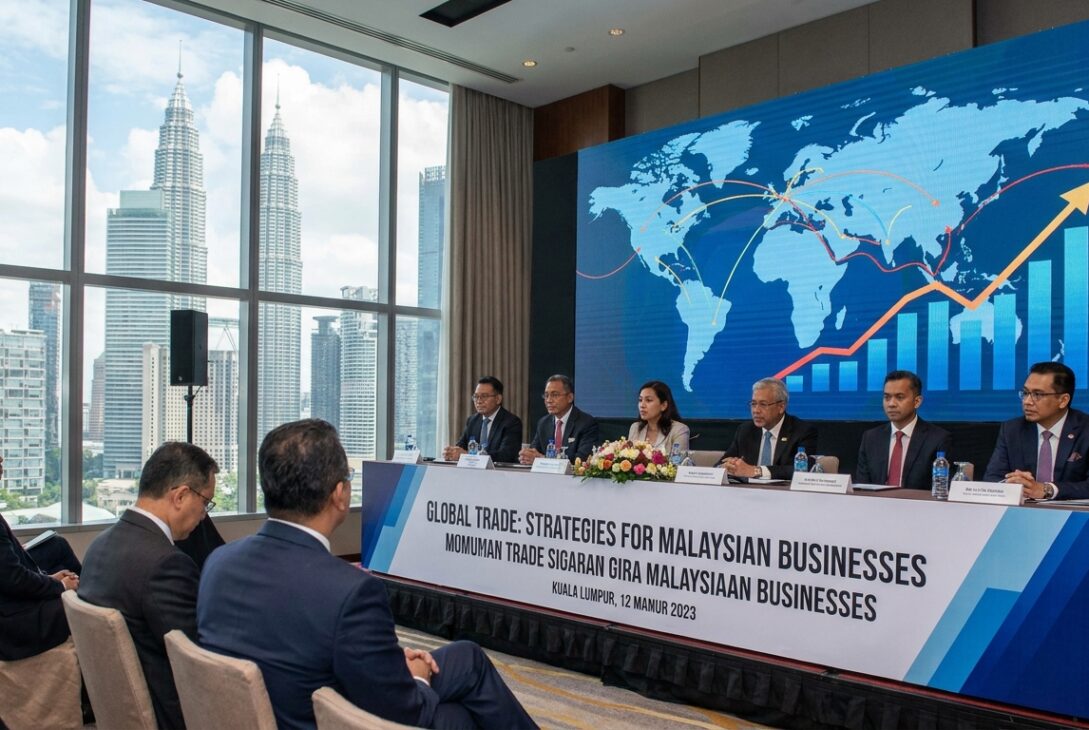
Imagine trying to navigate a familiar route, only to find the map is being redrawn right before your eyes. Roads disappear, new highways emerge, and old destinations are suddenly harder to reach. This is the reality for Malaysian businesses today in the world of global trade. The currents of international commerce are shifting, driven by new policies, trade tensions, and changing tariffs between major economic powers like the United States and China. For an open economy like Malaysia, these changes are not distant news headlines; they are direct forces shaping our local business environment. In this article, we will explore these latest developments, analyse their real-world consequences, and most importantly, share practical insights on how your business can navigate these uncertain waters to not only survive, but thrive.
” loading=”lazy” decoding=”async”/>
“Global shipping containers represent the flow of international trade.”
The Shifting Sands of Global Trade Policies
For years, the trend was towards more open markets and fewer barriers. Today, the pendulum is swinging. We are witnessing a rise in protectionist measures, where countries use tariffs—which are essentially taxes on imported goods—to protect their domestic industries. The most prominent example has been the ongoing trade friction between the US and China, which has sent ripples across global supply chains. When these two giants impose tariffs on each other, everyone in between feels the effect.
However, it is not all about barriers. New alliances are also being forged. For Malaysia, a significant development is our participation in major trade agreements like the Regional Comprehensive Economic Partnership (RCEP) and the Comprehensive and Progressive Agreement for Trans-Pacific Partnership (CPTPP). These agreements aim to reduce trade barriers among member countries, creating a more integrated economic bloc in the Asia-Pacific region. Understanding this dual landscape—of new walls being built in some areas and new bridges in others—is the first step for any business leader.
What This Means for Malaysian Businesses
The changing trade environment presents a mix of serious challenges and unique opportunities. On one hand, companies that rely heavily on specific import or export channels, particularly those linked to the US and China, may face increased costs and disruptions. A manufacturer in Penang using Chinese components for a product sold in the US might find its profit margins squeezed by tariffs at both ends. This unpredictability makes long-term planning difficult and can increase the cost of doing business. The impact of trade wars on Malaysian businesses is most keenly felt in these complex, international supply chains.
On the other hand, these disruptions create openings. As global corporations look to diversify their manufacturing bases away from a single country (a strategy often called “China Plus One”), Malaysia stands out as an attractive alternative. Our skilled workforce, stable infrastructure, and strategic location in the heart of Southeast Asia make us a prime candidate for new investment. This “trade diversion” could lead to a surge in demand for Malaysian goods and services, creating significant growth opportunities for companies that are prepared to capture them.
” loading=”lazy” decoding=”async”/>
“A business team analysing market trends and global trade data.”
Charting a Course Through Uncertainty
So, how can Malaysian businesses proactively respond? Simply waiting and hoping for the best is not a viable option. Instead, we must focus on building resilience and agility. This is where effective strategies for Malaysian companies to adapt to global trade changes become crucial. A primary approach is market diversification. Instead of relying on one or two major markets, it is time to explore new opportunities within the ASEAN region and other RCEP and CPTPP member countries. These agreements offer preferential tariffs and simpler customs procedures that can lower the barrier to entry.
Another key strategy is to review and strengthen your supply chain. Can you source components from multiple countries to reduce dependence on a single supplier? Is it possible to localise parts of your supply chain by finding partners within Malaysia? Taking these steps can insulate your business from external shocks. Finally, leveraging technology to improve efficiency and reduce operational costs can help offset the financial impact of tariffs and logistics challenges, ensuring you remain competitive on the global stage.
Embracing Change to Seize Opportunity
The global trade landscape will likely remain fluid and unpredictable for the foreseeable future. While this brings challenges, it also clears the path for innovation and growth. The key is to shift our mindset from being reactive to proactive. By understanding the ongoing changes, we can better anticipate the impact of trade wars on Malaysian businesses and plan accordingly. It is a time for adaptability, resilience, and strategic thinking. For those who are willing to explore new markets, strengthen their supply chains, and embrace efficiency, this era of change is not a threat, but a powerful opportunity to build a stronger, more globally competitive enterprise. Developing clear strategies for Malaysian companies to adapt to global trade changes is no longer just good practice—it is essential for long-term success.