
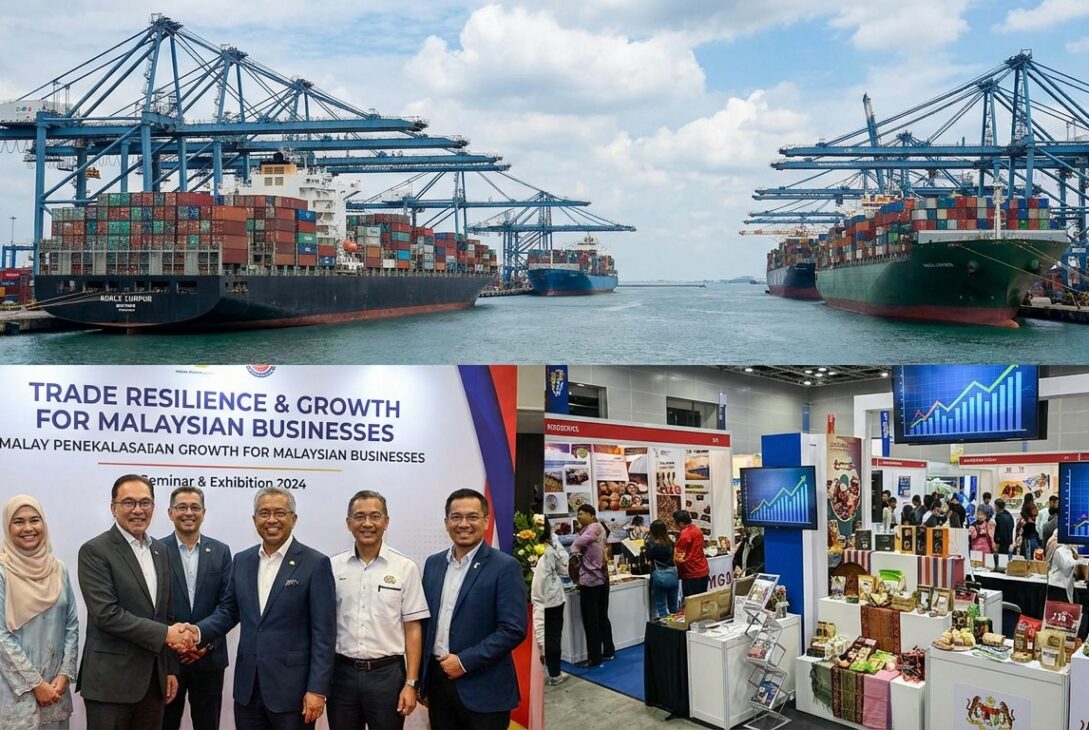
The currents of global trade are shifting faster than ever, creating both challenges and unexpected opportunities. For Malaysian businesses accustomed to predictable waters, today’s landscape of sudden tariffs and trade disputes can feel turbulent. However, these changes are not just obstacles; they are invitations to innovate, adapt, and build stronger, more flexible enterprises. At our core, we believe that with the right strategies, Malaysian companies can not only weather this storm but also chart a course towards greater success. This article will explore the practical lessons from recent global events and outline clear, actionable steps your business can take to thrive in this new era of international commerce, from strengthening your supply chain to finding new markets.
Lessons from the North: The US-Canada Trade Story
Recent trade tensions between the United States and Canada offer a powerful lesson for us here in Malaysia. The sudden threat of tariffs, followed by a last-minute pause, highlights a critical vulnerability: over-reliance on a single trade corridor. For companies on both sides of that border, the uncertainty caused major disruptions to planning and forecasting. This situation serves as a clear signal that what was once a stable partnership can change overnight due to political shifts. For Malaysian entrepreneurs, the takeaway is clear. We must proactively look beyond our traditional partners. This is where diversifying export markets for Malaysian companies becomes not just a growth strategy, but an essential defensive measure against unforeseen trade disputes.
The Ripple Effect of Trade Uncertainty
The unpredictability of the current environment is not just limited to North America. When 25 American states launched a lawsuit against their own government’s tariffs, it exposed the deep-seated instability businesses are grappling with. Such legal and political battles create a fog of uncertainty, making it difficult to plan long-term investments and manage costs. When policies can be implemented, challenged, and potentially reversed, businesses are left in a state of limbo. This constant flux underscores the need for agility. Companies that can pivot quickly, whether by sourcing materials from a different region or shifting production, are the ones that will maintain their competitive edge in a world where the rules can change with little warning.
Learning from Crisis: The Gentell Example
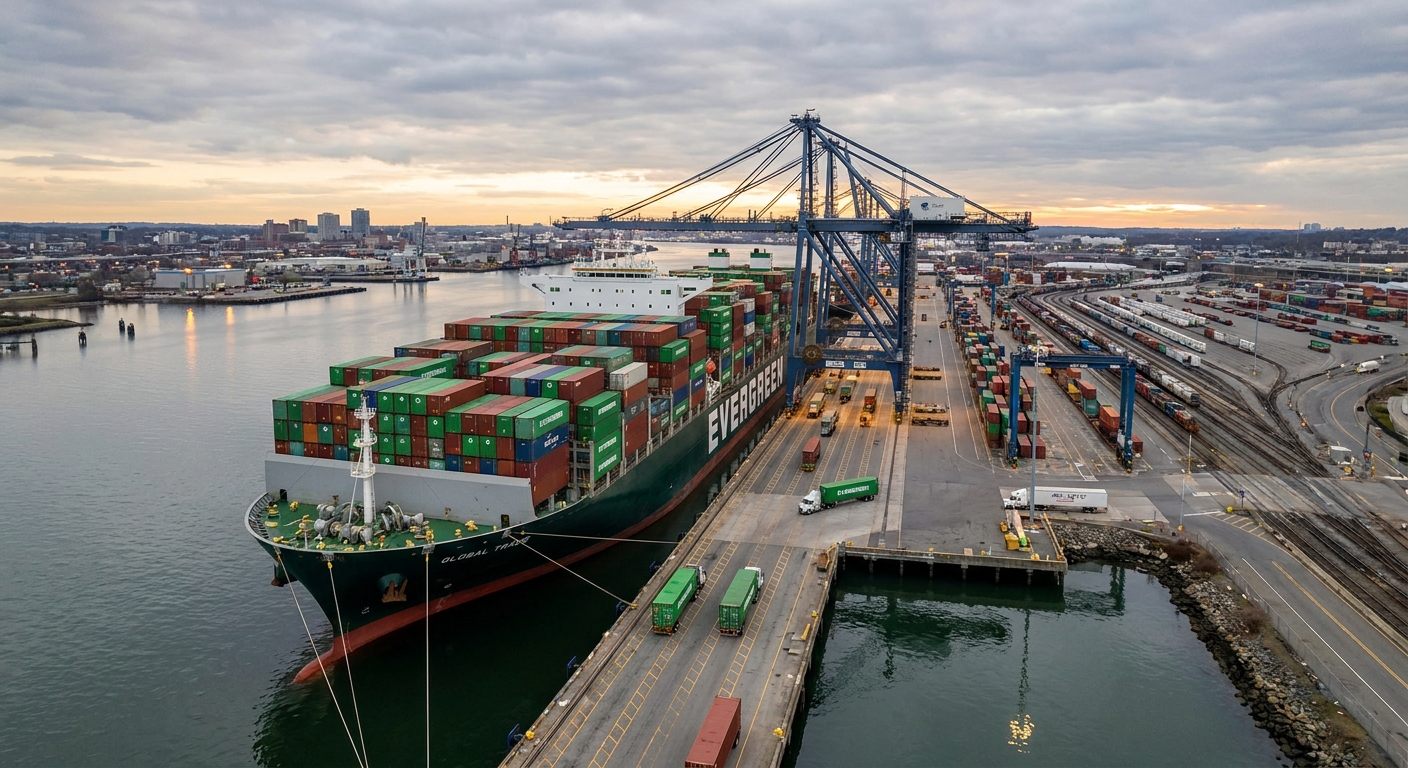
Geopolitical events in one corner of the world can send shockwaves through supply chains everywhere. Consider the case of Gentell, a medical supply company that found itself navigating the fallout from the Strait of Hormuz crisis. While seemingly unrelated to their industry, the crisis triggered a spike in oil prices. This directly increased their costs for both raw materials derived from petroleum and global shipping. Gentell’s experience is a masterclass in risk management. They had to quickly reassess their cost structures and logistics to absorb the impact. This is a perfect illustration of why building supply chain resilience for Malaysian businesses is so important. It’s about creating a system that can withstand shocks, whether they come from a trade tariff or a distant political crisis.
Building a Resilient Malaysian Business
So, how can we translate these global lessons into a practical blueprint for success? It starts with a commitment to being proactive rather than reactive. Firstly, staying informed is no longer optional. Business leaders must actively monitor trade policy news and geopolitical developments that could affect their operations. Secondly, it’s time to seriously evaluate and strengthen your supply chain. Can you source key components from multiple countries? Do you have alternative logistics routes planned? Achieving robust supply chain resilience for Malaysian businesses means having a Plan B, C, and D. Finally, actively pursuing new opportunities is key. Exploring emerging economies and trade blocs can open up new revenue streams, making the strategy of diversifying export markets for Malaysian companies a powerful engine for sustainable growth.

Conclusion: Charting Your Course in a New World
The global trade environment is no longer a calm sea but a dynamic ocean of constant change. The stories of US-Canada tariffs and the challenges faced by companies like Gentell are not just headlines; they are valuable case studies for every Malaysian business leader. The core message is one of empowerment. By embracing agility, we can turn uncertainty into an advantage. By diversifying our markets and building resilient supply chains, we protect ourselves from shocks and unlock new avenues for prosperity. Here, we are dedicated to helping Malaysian businesses navigate these complexities. The future belongs not to those who wait for the storm to pass, but to those who learn to sail in the wind.