
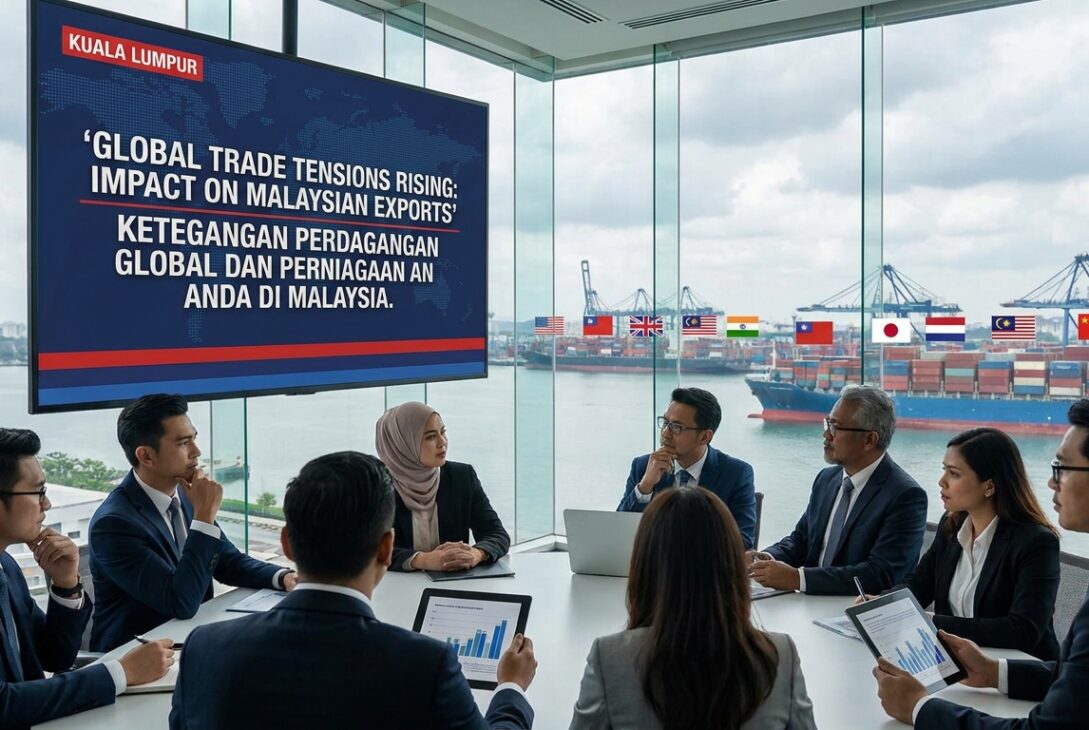
The world’s economic stage has felt increasingly unsteady lately. A headline about new tariffs in North America or a trade dispute in Europe can seem a world away from our daily business here in Malaysia. Yet, like a tremor far out at sea, the waves inevitably reach our shores. These shifts in global commerce are more than just news; they are powerful forces actively reshaping the landscape for Malaysian businesses. The era of predictable, straightforward international trade is being challenged, forcing companies of all sizes to reconsider their strategies. In this article, we will explore the real-world effects of these global trade tensions and discuss practical steps your business can take to navigate this new and uncertain environment with confidence.
The New Reality of Commercial Uncertainty
For decades, businesses have built their models on a relatively stable foundation of global trade. That foundation is now showing cracks. We are seeing a rise in protectionist policies, where countries impose tariffs and quotas to protect their domestic industries. This creates a tit-for-tat environment, leading to trade disputes that disrupt established commercial relationships. The result is a climate of uncertainty. A Malaysian manufacturer, for example, might find that the cost of essential raw materials imported from a specific country has suddenly increased overnight due to a new tariff. This unpredictability makes long-term financial planning and pricing strategies incredibly difficult, turning what was once a calculated risk into a gamble.
When Global Waves Hit Local Shores
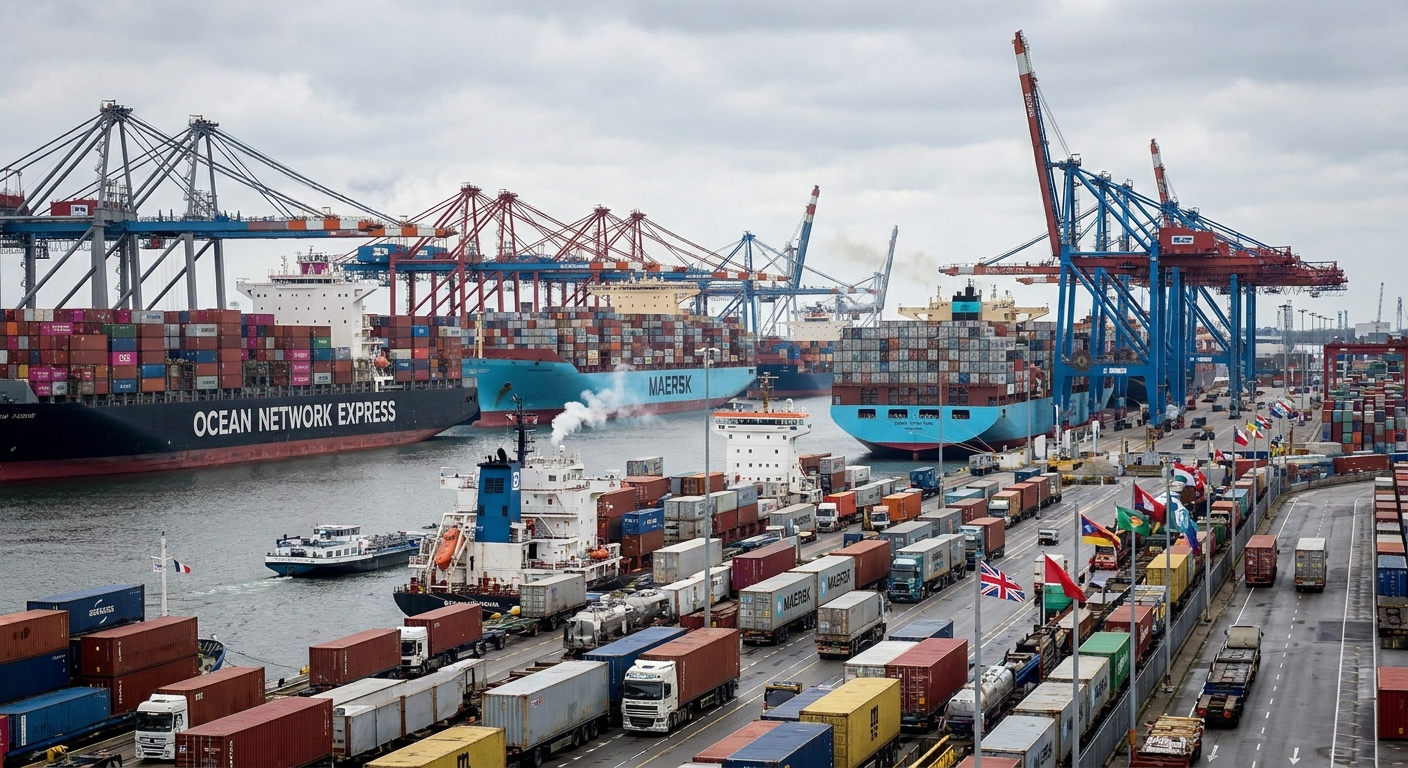
The impact of these disputes is not abstract; it’s tangible and it affects the bottom line. The most immediate effect for many is the volatility in material costs. When tariffs are imposed on goods like steel, aluminium, or electronic components, the costs ripple through the entire production process. This can lead to severe supply chain disruptions, where businesses struggle to source materials affordably or on time. We also see legal and administrative burdens increase. Companies may need to navigate a complex and ever-changing web of rules to determine the origin of their goods or comply with new import/export requirements. This uncertainty directly impacts business investment, as leaders become hesitant to commit capital to new projects or expansion when the market outlook is so unclear.
The Malaysian Context: Challenges and Opportunities
As a nation deeply integrated into the global economy, Malaysia is particularly exposed to these shifts. Many of our local businesses are key players in international supply chains, either exporting finished goods to markets like the United States and China or importing components for assembly. When these major powers are in conflict, Malaysian companies can be caught in the middle. The challenge is to avoid being collateral damage. However, this disruption also creates opportunities. Businesses that can adapt quickly may find themselves at an advantage. The key is to move from a reactive position to a proactive one, which requires careful strategic planning and a willingness to explore new ways of operating.
Building a Resilient Business Strategy
So, how can Malaysian businesses protect themselves and even thrive in this environment? The first step is to thoroughly understand your vulnerabilities. We advise mapping out your entire supply chain to identify potential risks. Are you overly reliant on a single supplier or a single country for critical materials? If so, it is time to explore alternatives. Diversifying your sourcing by looking at other ASEAN partners or even developing domestic suppliers can build resilience against sudden supply chain disruptions. Furthermore, look inward at the strength of the Malaysian domestic market. While export is crucial, strengthening your brand and sales within Malaysia can provide a stable revenue stream to buffer against international volatility.
Staying Ahead of the Curve
In a fluid environment, information is your most valuable asset. Keeping up with changing international trade regulations is no longer just a task for the legal department; it’s a strategic necessity for business leaders. Organisations like MATRADE and various government ministries provide regular updates and resources that can help you understand how new policies might affect your operations. By staying informed, you can anticipate potential challenges and adjust your strategy accordingly, rather than being caught off guard. This proactive monitoring allows you to make smarter decisions about pricing, inventory, and market focus, turning potential threats into manageable business challenges.

Conclusion: Navigating Towards a Stronger Future
The ongoing impact of global trade tensions is not a temporary storm but a fundamental shift in the way the world does business. For Malaysian companies, the challenges are undeniable, from fluctuating costs to unpredictable market access. However, sitting back and waiting for the storm to pass is not an option. The path forward lies in proactive adaptation. By carefully analysing your risks, diversifying your supply chain, exploring domestic opportunities, and staying on top of changing international trade regulations, you can build a more resilient and agile organisation. Here at our company, we believe that those who embrace this new reality with strategic foresight will not only navigate the uncertainty but will also emerge stronger, more competitive, and better prepared for the future.