

The world’s economic compass seems to be spinning, with old trade routes being redrawn and new barriers emerging overnight. For any Malaysian business owner with an eye on the global market, watching the news can feel like trying to predict the next wave in a storm. One moment, there is talk of new tariffs; the next, a promising new trade alliance. This constant change is the new normal. However, instead of being tossed about by these waves, we believe Malaysian businesses have the strength and ingenuity to learn how to surf them. This article is not about the problems you already know; it is about the practical steps we can take together to navigate these choppy waters and chart a course towards sustainable growth and resilience.
The Shifting Sands of Global Commerce
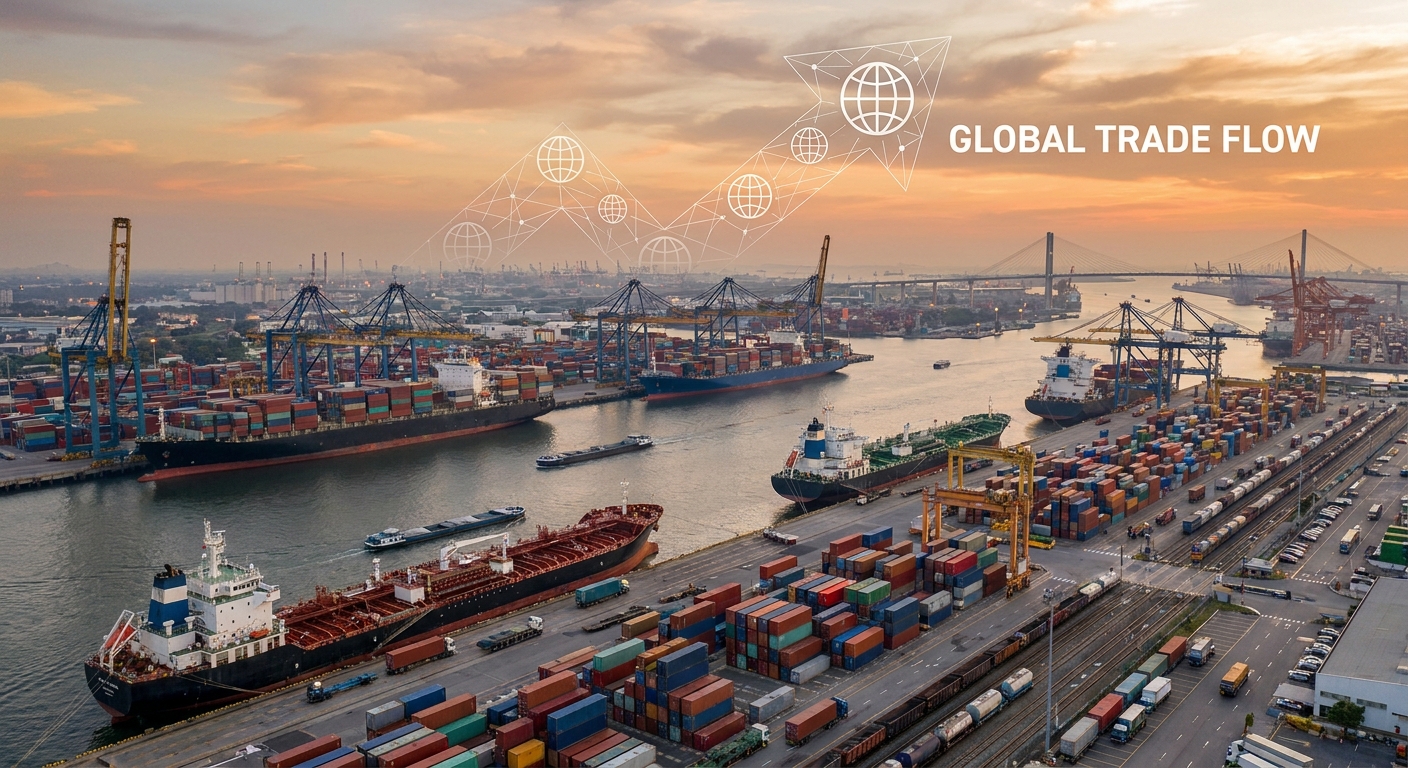
The era of predictable, steadily opening markets has given way to a more complex landscape. The most significant change has been the rise of protectionist policies, particularly from major economic players like the United States. While tariffs might be imposed on goods from one country, the ripple effects are felt globally. For a Malaysian manufacturer, this could mean that the cost of a specific component imported from a third country suddenly increases because of a trade dispute that has, on the surface, nothing to do with us. This volatility extends to raw material prices, creating a challenging environment for planning and pricing. Adapting to these rapid shifts is no longer optional; it is a fundamental requirement for survival.
Challenges Hitting Close to Home
The impact of these global trends is not just theoretical; it is being felt in factories in Penang and boardrooms in Kuala Lumpur. Businesses that rely on importing specific goods for their production lines are facing uncertainty and rising costs due to U.S. tariff policies. A furniture maker, for instance, might find the cost of steel or wood fluctuating wildly, making it difficult to provide competitive quotes to international buyers. This environment tests the agility of a company. The key challenge is moving from a reactive position—where we are constantly putting out fires—to a proactive one where we anticipate and prepare for potential disruptions before they hit our bottom line.
Developing a Proactive Game Plan
Thriving in this climate requires moving beyond a defensive mindset. It is time to focus on developing robust Malaysian business trade strategies that are built for flexibility. This starts with excellent market intelligence. We need to invest in understanding not just our direct customers, but the entire geopolitical landscape. This means asking critical questions: If our primary export market faces a downturn, where is our Plan B market? If our key supplier is disrupted, do we have alternative sources ready? Creating different business scenarios and planning for them is no longer a luxury for large corporations; it is a smart strategy for any Malaysian business with global ambitions. This proactive approach is the first step in turning uncertainty into a competitive advantage.

Building Supply Chains That Bend, Not Break
One of the most critical lessons from recent years is the danger of relying on a single source for essential materials or components. The concept of building resilience is, at its core, about diversification. This does not just mean finding a backup supplier; it means strategically building a more flexible supply chain. Look for opportunities within the ASEAN region, explore partnerships in markets that have stable trade relations, and consider holding strategic inventory of critical components. Technology can be a great ally here. Modern supply chain management software can provide real-time visibility, helping businesses spot potential bottlenecks and react much faster than before. A resilient supply chain is one of the most effective methods for mitigating global trade risks for Malaysian companies.
Leveraging Malaysia’s Strategic Advantages
Amidst the challenges, it is important to remember the significant advantages we possess. Malaysia is a key member of powerful trade agreements like the Comprehensive and Progressive Agreement for Trans-Pacific Partnership (CPTPP) and the Regional Comprehensive Economic Partnership (RCEP). These are not just acronyms; they are gateways to over a billion consumers with reduced tariffs and streamlined customs procedures. We must actively learn how to leverage these agreements. They provide a clear framework for building stronger Malaysian business trade strategies and offer a degree of stability in an unstable world. By focusing on exporting to other RCEP or CPTPP member countries, Malaysian businesses can often bypass the disputes happening elsewhere and build a customer base in more predictable markets.
In conclusion, the global trade environment may be more uncertain than ever, but this is also a moment of great opportunity for the agile and the prepared. The key is to shift our perspective from passive observers to active strategists. By diversifying our supply chains, embracing technology for better market intelligence, and fully leveraging the trade agreements Malaysia is part of, we can weather the current storm. More than that, we can position our businesses to thrive. Taking proactive steps towards mitigating global trade risks for Malaysian companies is not just about protecting what we have; it is about building a stronger, more competitive future. The tools are available, and by working smartly and strategically, Malaysian businesses can continue to succeed on the world stage.