
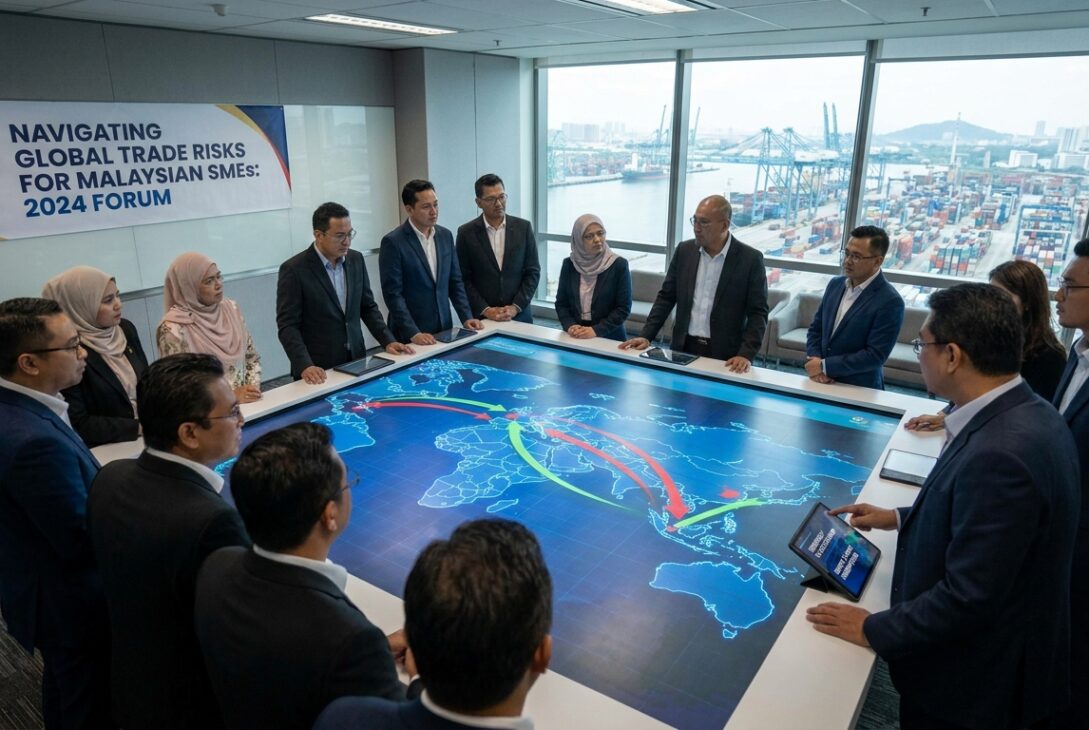
Picture your business as a well-built ship, expertly crafted to sail the local seas. For years, the waters have been familiar and the routes predictable. But now, storms brewing thousands of miles away are sending powerful waves right to our shores. A trade disagreement between the United States and Canada, or rising tensions in the Strait of Hormuz, might seem distant, but their ripple effects are increasingly felt here in Malaysia. These global shifts can rock even the most stable vessels. For Malaysian businesses, especially our small and medium-sized enterprises (SMEs), understanding these currents is no longer optional. This article will explore the real-world challenges these global trade tensions create and offer practical strategies to help you navigate these turbulent waters successfully.
The Global Ripple Effect on Malaysian Shores
It can be easy to dismiss international headlines as someone else’s problem. Yet, the global economy is a tightly woven net; a pull on one end sends vibrations across its entirety. When the US and Canada engage in a tariff dispute, it does more than just affect North American trade. It signals a trend towards protectionism, creating uncertainty that can make international buyers more cautious. This hesitation can directly impact Malaysian exporters who find their orders slowing down.
Closer to home, the crisis in the Strait of Hormuz offers a more direct example. As a critical channel for global oil supplies, any disruption there causes an immediate spike in oil prices. For a Malaysian manufacturing company, this translates to higher transportation costs for both receiving raw materials and shipping out finished goods. It also increases the cost of petroleum-based materials, squeezing profit margins unexpectedly.
The Real-World Hurdles for Our SMEs
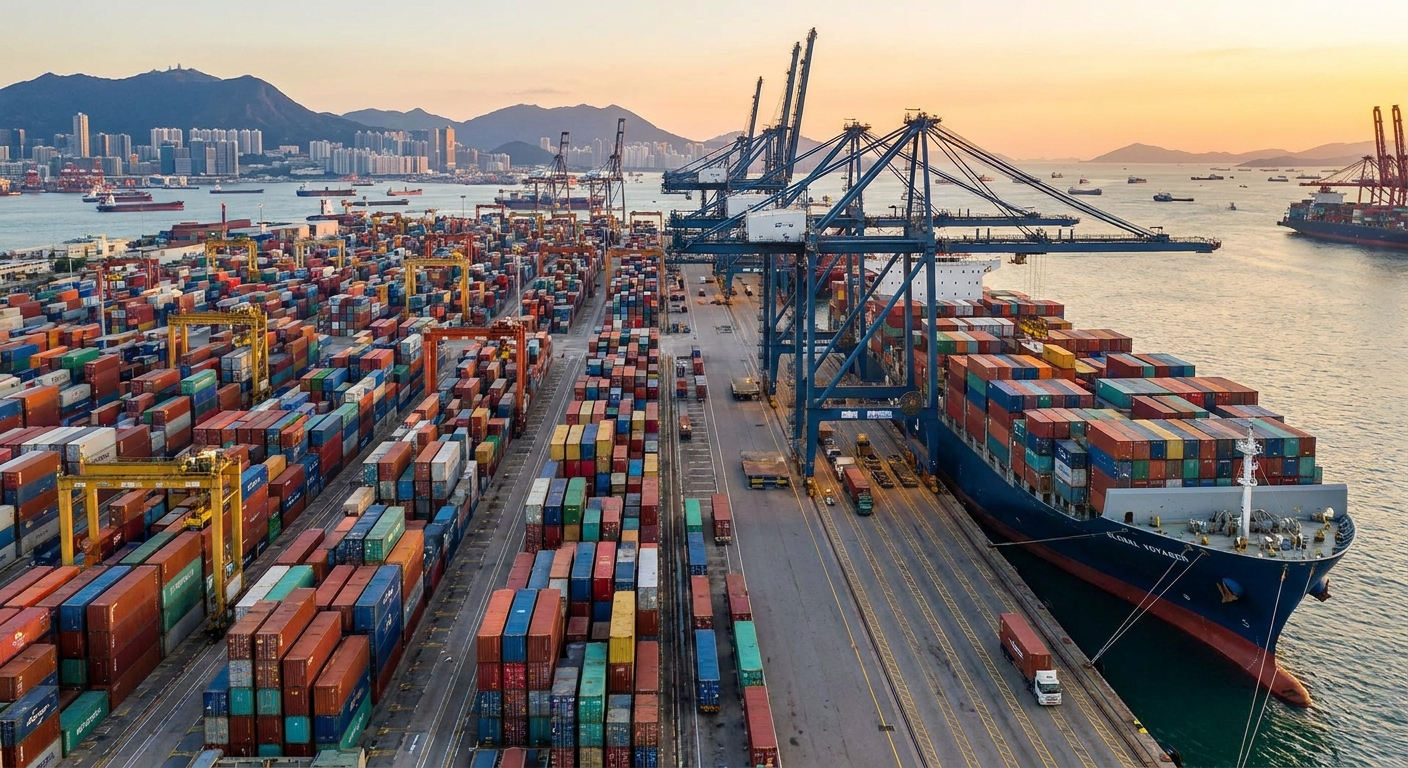
For many SMEs, these global shifts create very specific and difficult hurdles. The most immediate is supply chain disruption. Perhaps your business in Selangor relies on a specialised component from a country that suddenly faces new tariffs. The price could skyrocket overnight, or worse, the supply could be cut off completely, halting your production line. This forces a frantic search for new suppliers, often at a higher cost and with uncertain quality.
This leads directly to the second challenge: fluctuations in material costs and availability. It’s not just about direct components. The price of steel, plastic, and even agricultural goods can swing based on geopolitical news. This makes it incredibly difficult for a business to provide accurate quotes to clients or manage its own budget. The final hurdle is the general uncertainty in market conditions, which can dampen consumer and business spending, affecting demand for your products and services both at home and abroad.
Building a More Resilient Business Through Diversification
So, how do we build a ship that can withstand these waves? The first and most powerful strategy is diversification. This means not relying on a single country for your suppliers or a single market for your customers. Instead of sourcing everything from one major economy, explore alternatives within our own ASEAN region. Countries like Vietnam, Thailand, and Indonesia offer robust manufacturing capabilities and are often insulated from distant trade disputes. A clear understanding of the **international trade regulations Malaysia** has with these neighbours is the first step towards building a more resilient supply chain. Similarly, if your primary export market is facing economic headwinds, it’s time to explore new opportunities in emerging markets in Africa or the Middle East.

Smart Moves for Staying Afloat
Beyond diversification, proactive risk management is essential. This is a core part of **mitigating global trade risks for SMEs**. It involves more than just having a backup plan; it requires building flexibility into your operations. This could mean negotiating more flexible terms with your suppliers, maintaining a healthy cash reserve to absorb sudden cost increases, or using financial instruments to hedge against currency fluctuations. Staying informed is just as important. We make it our business to follow updates from government bodies like MATRADE and to be active in business associations. These organisations provide timely information on policy changes and market trends, giving you the foresight needed to adjust your course before the storm hits.
Turning Rough Seas into New Horizons
While navigating these challenges requires effort, it also opens doors to new opportunities. A disruption in a major global supply chain can create a vacuum that a nimble Malaysian company can fill. By having a deep knowledge of **international trade regulations Malaysia** has established, you can identify these gaps and position your business as a reliable alternative. This proactive approach is the very essence of **mitigating global trade risks for SMEs** and transforming potential threats into a unique competitive advantage. The companies that not only survive but thrive in this new era will be the ones that are adaptable, informed, and courageous enough to explore new waters.
In conclusion, the era of predictable global trade is behind us. For Malaysian businesses, the reality is that events happening on the other side of the world will continue to impact our daily operations. The challenges of supply chain disruptions, cost volatility, and market uncertainty are significant. However, they are not insurmountable. By embracing strategies like diversifying suppliers and markets, implementing robust risk management practices, and committing to staying informed, we can weather these storms. The goal is not just to survive but to adapt and flourish. By building more resilient and agile businesses, we can navigate the complexities of the global economy and steer our course towards sustained growth and success, no matter how choppy the waters become.