

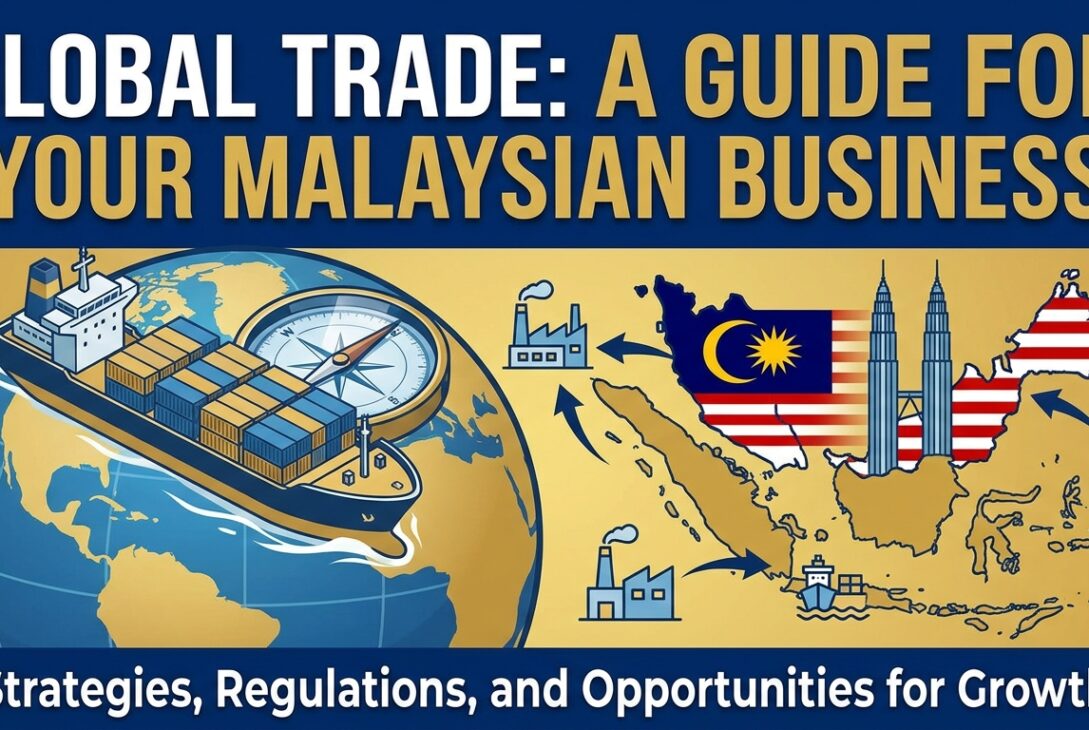
How Global Trade Policies Can Impact Your Malaysian Business
Picture a calm sea suddenly disturbed by a distant storm. The ripples travel far and wide, eventually reaching shores that were once peaceful. This is exactly what is happening in the world of international commerce today. Major economic powers like the United States and China are engaged in complex trade negotiations and tariff disputes, and the waves from these events are washing up on Malaysian shores. For a local business owner, it can feel like you are navigating a ship through an unpredictable storm. These global shifts can influence everything from the cost of your raw materials to the stability of your customer base. In this article, we will explore how these international trade policies can directly affect your business and discuss practical steps you can take to not only weather the storm but also chart a course toward new opportunities.
The Global Ripple Effect on Our Shores
It’s easy to think that trade disputes happening thousands of miles away have little to do with our day-to-day operations here in Malaysia. However, in our interconnected global economy, that is no longer the case. When one country imposes tariffs on another, it sets off a chain reaction. For example, tariffs on Chinese goods entering the US might mean the components you import from China for your manufacturing line suddenly become more expensive as suppliers look to pass on costs. This volatility doesn’t just affect finished goods; it hits raw materials hard, too. Prices for steel, aluminium, and even agricultural products can swing wildly based on new trade announcements, making it incredibly difficult to forecast costs and set stable prices for your own customers.
Is Your Business in the Line of Fire?
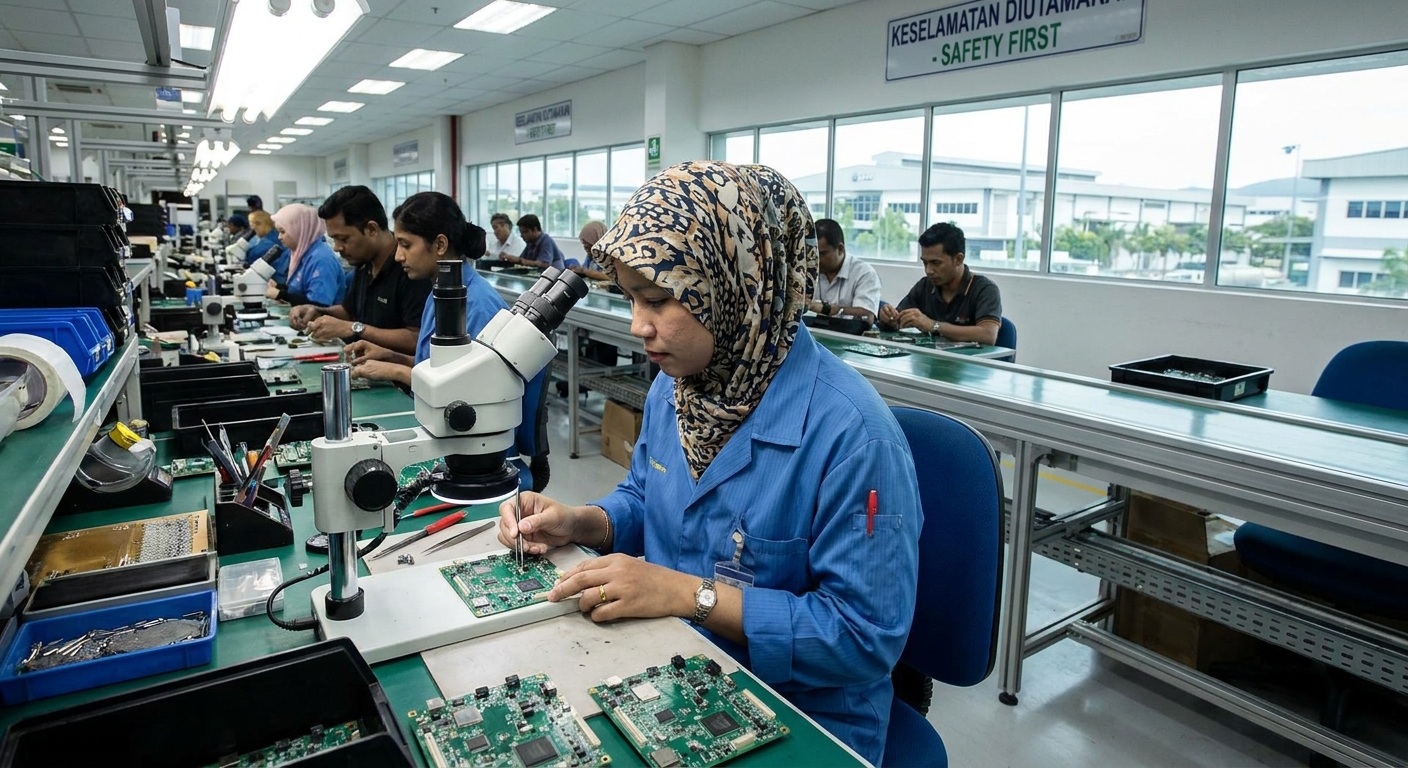
The first step in navigating this new landscape is to honestly assess your company’s exposure. It is time to ask some tough questions. Where do your essential materials come from? Who are your primary customers, and in which countries are they located? Are any of your key suppliers or buyers based in nations currently involved in trade disagreements? In Malaysia, certain sectors are more exposed than others. Our strong Electronics and Electrical (E&E) industry, for instance, is deeply embedded in global supply chains and can be sensitive to tariffs on components. Likewise, our furniture and commodity sectors, like palm oil and rubber, depend heavily on international demand. By analysing your supply chain and customer base, you can pinpoint your specific vulnerabilities and start preparing for them.
Building a Resilient Business Model
Reacting to crises is one thing; building a business that can withstand them is another. This is where proactive planning comes in. The most effective Malaysian business trade strategies are not just about finding quick fixes but about building resilience from the ground up. One of the most powerful moves you can make is to diversify your supply chain. If you rely on a single supplier in one country, you are at risk. Begin exploring alternatives. Could you source similar quality materials from neighbouring ASEAN countries like Vietnam or Thailand? This not only spreads your risk but can also open doors to new partnerships and innovations. It’s about creating a flexible network that isn’t dependent on a single, fragile link.
Mastering Your Supply Chain
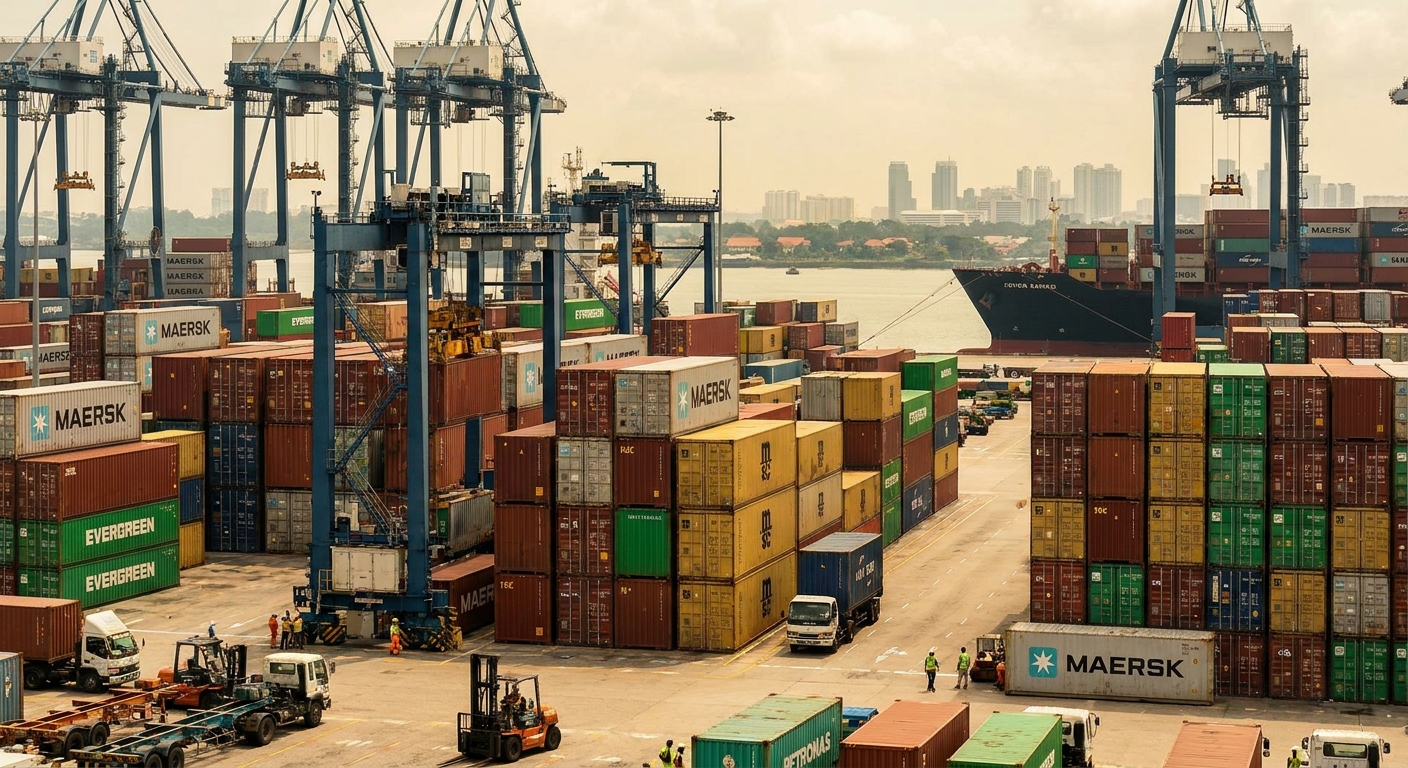
Beyond diversification, true resilience comes from actively managing your logistics. Recent events, even local ones like congestion at Port Klang, have shown us how quickly a supply chain can break down. This makes **managing supply chain disruptions in Malaysia** a critical skill for every business owner. Consider building a small buffer stock of essential components to insulate your production from short-term shipping delays. It is also wise to connect with alternative logistics providers so you have a backup plan ready. Embracing digital tools that offer greater visibility and tracking of your shipments can transform how you operate, allowing you to anticipate problems and communicate proactively with your customers instead of just reacting to them.
Finding New Horizons and Fair Pricing
While managing risks is important, these global shifts can also create surprising opportunities. As some companies look to move their manufacturing or sourcing out of tariff-heavy countries, Malaysia is becoming an attractive alternative. A core part of your Malaysian business trade strategies must now include looking for these new openings. Explore new export markets, particularly within the Asia-Pacific region, which is now more accessible thanks to agreements like the RCEP. At the same time, you need a smart approach to pricing. When your costs are fluctuating, consider renegotiating contracts to include clauses that account for changes in material prices. Being transparent with your clients about these challenges can help maintain trust while protecting your margins. Proactive **managing supply chain disruptions in Malaysia** is key, as a stable supply line enables you to offer more consistent and fair pricing.
Conclusion
The global trade environment will likely remain uncertain for the foreseeable future, but this does not have to be a reason for panic. For the Malaysian business owner, it is a call to become more agile, informed, and strategic. By taking the time to understand your vulnerabilities, you can begin to strengthen them. This means diversifying where you buy your materials and who you sell your products to, actively managing your logistics, and keeping a keen eye out for new market opportunities. The challenges are real, but so are the rewards for those who adapt. By taking these proactive steps, you can safeguard your operations and position your business not just to survive in these turbulent times, but to emerge stronger, more resilient, and ready for growth.