
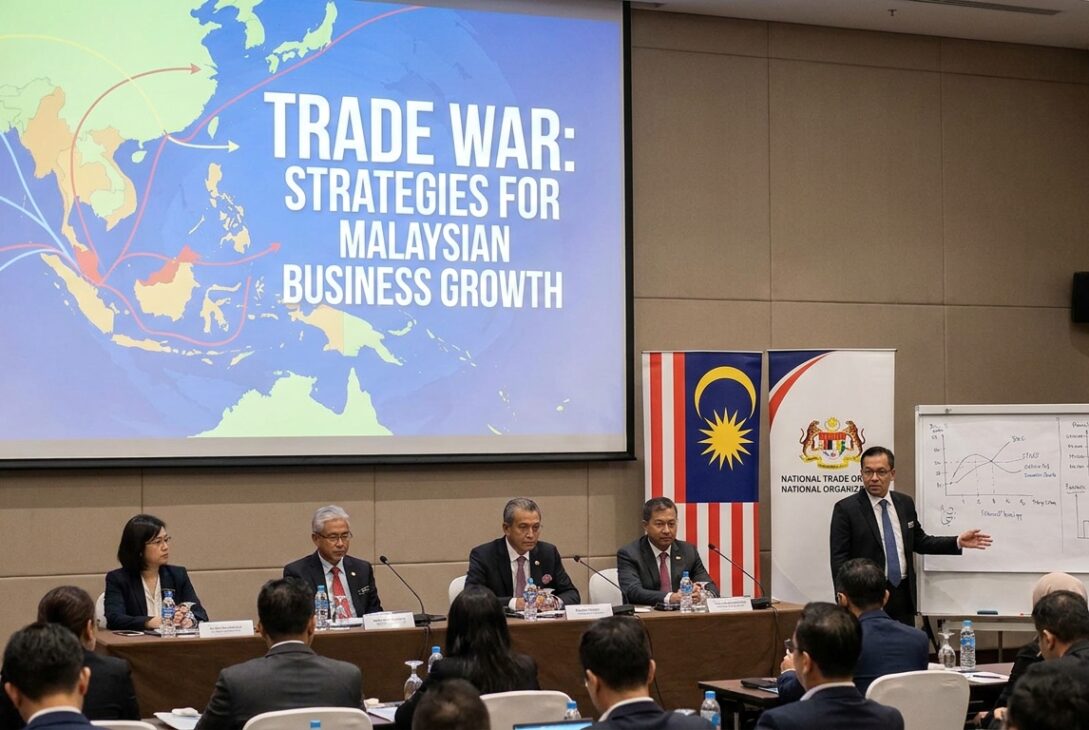
The global economic seas have grown choppy, with waves of tariffs and trade disputes sending ripples across the world. For years, headlines have been dominated by the economic tug-of-war between giants like the United States and China. While these events might seem distant, their effects are felt right here on our shores, presenting both significant challenges and unexpected opportunities for the Malaysian business community. This new landscape requires more than just passive observation; it demands a strategic response. In this article, we will explore the tangible impacts of these ongoing trade tensions on local enterprises and outline proactive strategies that businesses can adopt to navigate these turbulent waters, ensuring they not only stay afloat but also chart a course for future growth and resilience.
The Ripple Effect on Our Shores
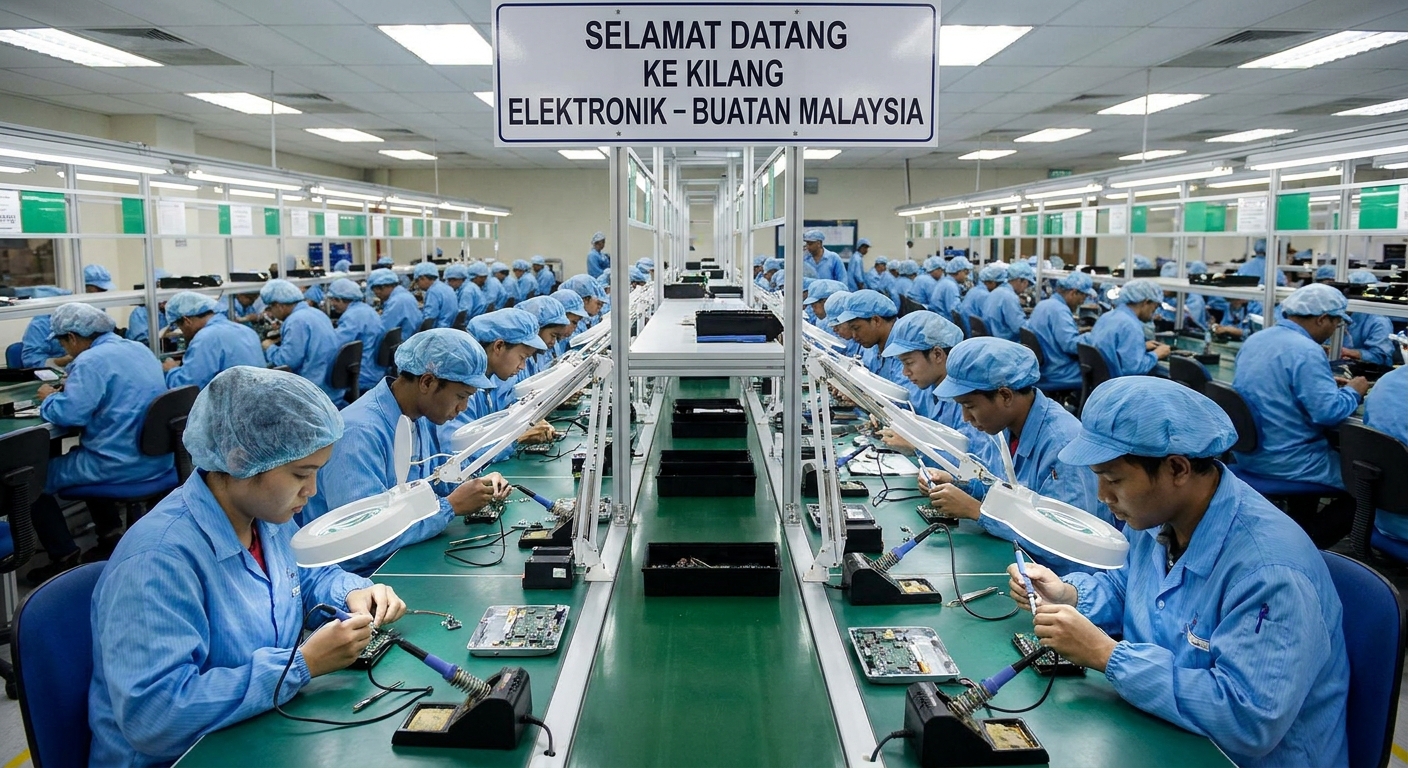
The most immediate consequence of the global trade disputes is the disruption to established supply chains. Many Malaysian businesses, particularly in the manufacturing and electronics sectors, are deeply integrated into international production networks. A tariff imposed by the United States on a Chinese-made component can increase the cost for a Malaysian assembler who relies on that part. This creates a cascade of uncertainty, making it difficult to price products, forecast demand, and manage inventory. The volatility makes long-term planning a serious challenge, as a sudden policy shift in a foreign capital can upend a business model overnight. This environment of unpredictability forces companies to operate with a much shorter-term outlook, reacting to changes rather than executing a stable, long-range plan.
The Double-Edged Sword of Trade Diversion
Interestingly, the trade tensions have also created a silver lining for some. To bypass hefty tariffs, many multinational corporations have been actively relocating their manufacturing operations out of China, a phenomenon known as trade diversion. Southeast Asian nations, including Malaysia, have emerged as attractive alternatives due to their strategic location, skilled workforce, and relatively stable business environments. This has opened doors for Malaysian companies to attract new foreign direct investment, become key suppliers in reconfigured supply chains, and expand their production capacity. However, this is a double-edged sword. It also brings increased competition for local resources and talent, and it puts pressure on our businesses to rapidly upgrade their technology and standards to meet the demanding requirements of these global players.
Proactive Strategies for a New Trade Era
In this new era, waiting and seeing is no longer a viable strategy. Malaysian businesses must become proactive and agile. The first step is to closely monitor developments. This means staying informed not only about the ongoing disputes but also about shifts in our own Malaysia trade policies, which are designed to help businesses adapt. Secondly, diversification is key. Companies should actively reduce their reliance on any single market or supplier. Exploring new opportunities within the ASEAN region, leveraging agreements like the Regional Comprehensive Economic Partnership (RCEP), and forging partnerships in other emerging economies can build a crucial buffer against geopolitical shocks. This strategic pivot can turn a vulnerability into a source of new revenue streams.

Building Resilience from the Ground Up
Beyond immediate tactics, the current climate is a powerful incentive to build long-term business resilience. This involves looking inward to strengthen operations. For many, the direct Tariff impact on Malaysian businesses has been a wake-up call to fortify their foundations. Strengthening local and regional supply chains can reduce dependence on faraway suppliers and insulate a business from distant disputes. Furthermore, sound financial planning is more important than ever. Maintaining healthy cash flows and securing contingency credit lines can provide the stability needed to weather economic storms. Businesses that use this period to become leaner, more efficient, and financially robust will be best positioned to thrive no matter which way the trade winds blow.
Embracing Malaysia’s Evolving Role
The shifting trade landscape is redefining our nation’s position in the global economy. To remain competitive, we must move up the value chain. Understanding the full Tariff impact on Malaysian businesses encourages a push towards innovation, higher-value manufacturing, and specialised services. It’s an opportunity to transition from being just a part of the supply chain to becoming a hub for design, research, and development. Favourable Malaysia trade policies and government incentives are in place to support this transition, encouraging investment in automation and digitalisation. By embracing this evolution, Malaysian companies can carve out a more secure and profitable niche in the international market, making them less susceptible to commodity-level price wars and policy shifts.
In conclusion, the ongoing trade war is not a distant problem but a present-day reality that is actively reshaping the business environment in Malaysia. The challenges are clear: supply chain disruptions, cost volatility, and increased uncertainty. However, the opportunities for those willing to adapt are just as significant, from attracting new investments through trade diversion to being spurred towards greater innovation. The key to success lies in a proactive approach. By diligently monitoring the global situation, strategically diversifying markets and suppliers, and building deep operational resilience, Malaysian businesses can effectively navigate the complexities of this new era. It is by understanding these dynamics that companies can transform potential threats into powerful catalysts for growth, ensuring they remain competitive and prosperous for years to come.