

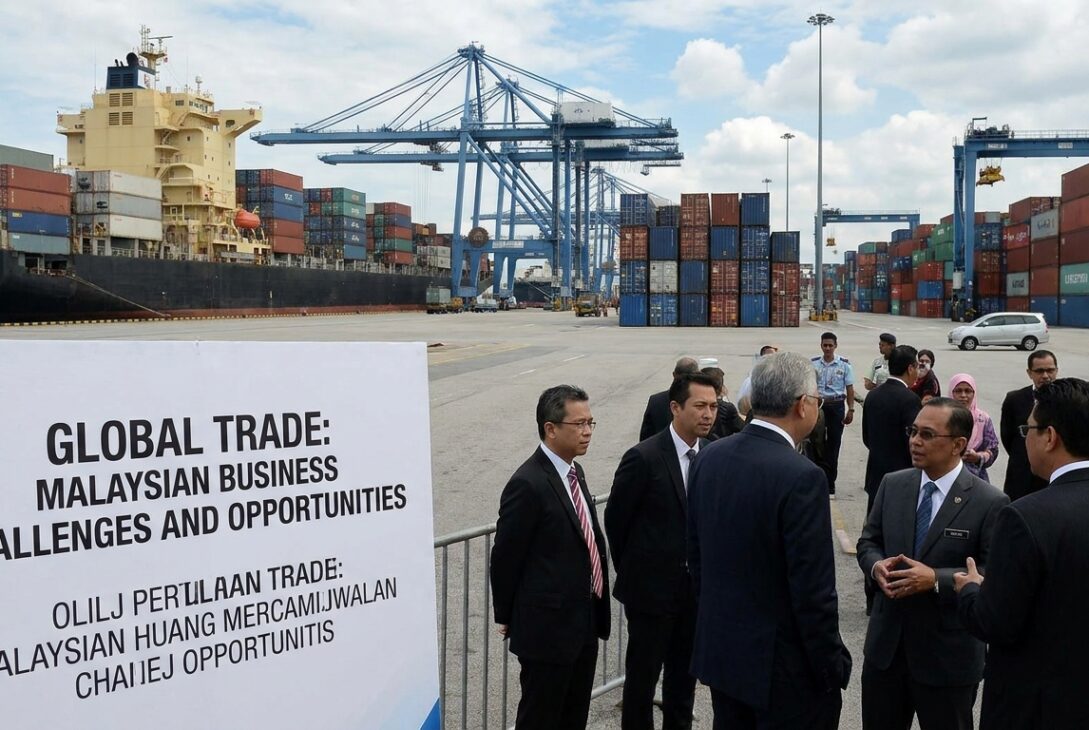
The Impact of Global Trade Policies on Malaysian Businesses
The once-predictable currents of global trade have turned turbulent. For decades, Malaysian businesses sailed on relatively calm seas, but today, the winds of international policy are shifting dramatically, creating waves that are felt right here on our shores. The trade tensions and tariff changes, particularly those initiated by major economies, are not just distant headlines; they are reshaping the very landscape we operate in. As a nation deeply integrated with the world economy, we cannot simply wait for the storm to pass. This article explores how these global shifts are affecting local companies and, more importantly, what practical steps we can take to navigate this new era, turning potential challenges into tangible opportunities for growth and resilience.
The Ripple Effect: How Global Tensions Land in Malaysia
When giant economies like the United States and China change their trade rules, the ripples spread far and wide, eventually reaching Malaysia. It’s not always a direct hit. For instance, tariffs imposed on Chinese goods have led some international companies to move their manufacturing operations to other countries in Southeast Asia to bypass these extra costs. This phenomenon, known as trade diversion, has brought new investments and opportunities to Malaysia, especially in the electrical and electronics (E&E) and manufacturing sectors. However, it also brings increased competition for local resources and talent. For businesses that rely on components from affected countries, it can mean sudden cost increases and disruptions, squeezing profit margins unexpectedly.
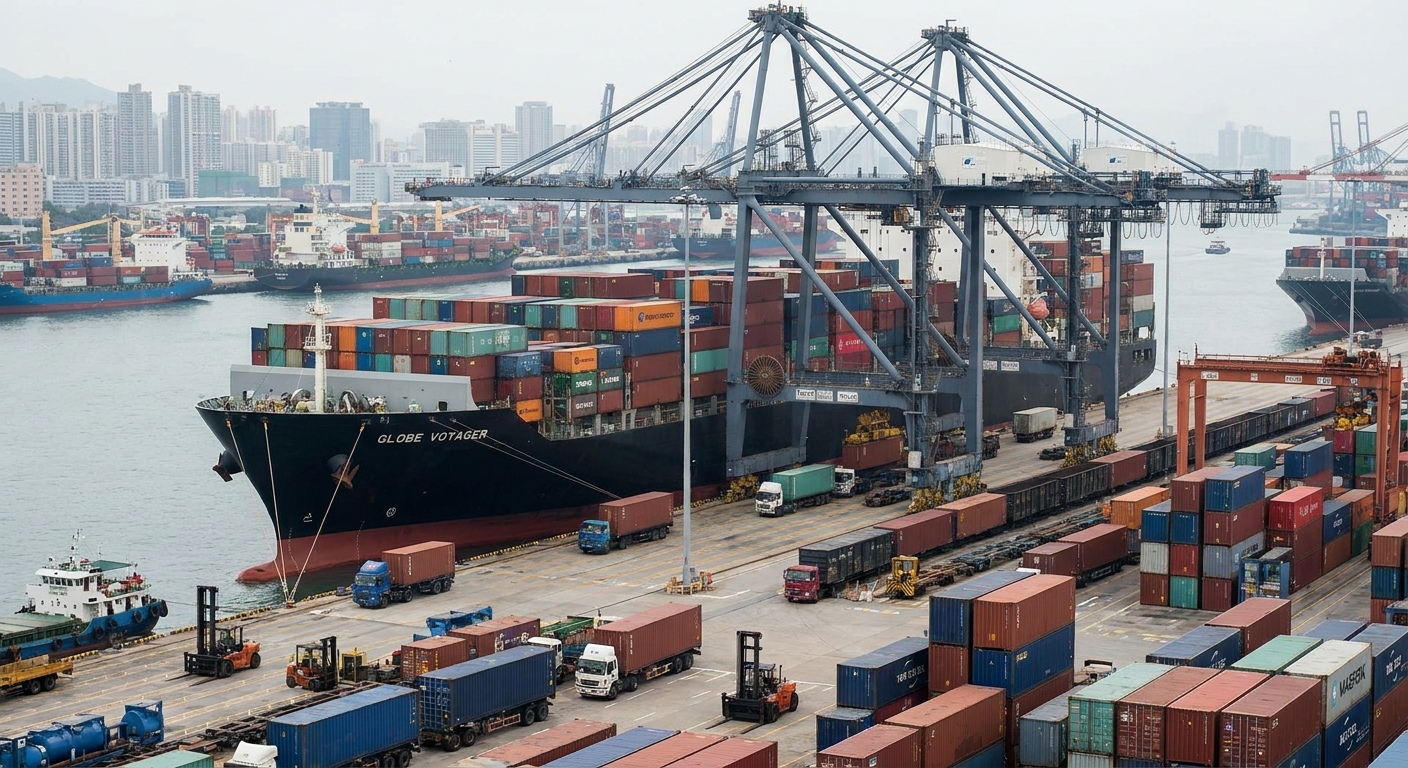
Recalibrating Your Business Compass
The immediate effect of these trade policy shifts is often felt in the numbers. Your import costs for raw materials might fluctuate, or the final price of your products in an export market could suddenly become less competitive due to a new tariff. These changes force a difficult recalibration of pricing and production strategies. Many business owners are now facing significant Malaysian export challenges, as traditional markets become less stable or accessible. Relying heavily on a single country for either sales or supplies is now riskier than ever. It is this uncertainty that makes proactive financial planning and a deep understanding of your supply chain more critical than ever before.
Building a Business That Bends, Not Breaks
In this unpredictable environment, rigidity can be fatal. The key to survival and growth is building a business that is flexible and resilient. This starts with a serious look at diversification. Are all your key suppliers based in one country? It might be time to explore alternatives in other ASEAN nations or even locally to reduce dependency. Similarly, if the bulk of your revenue comes from one export market, it’s wise to begin exploring others. This strategic shift is fundamental to achieving global supply chain resilience. It is not just about having a backup plan; it is about creating a network of suppliers and customers that can withstand shocks from any single direction, ensuring your business continues to operate smoothly.
Beyond Survival: Finding New Harbours
Navigating the current climate is not just about defence; it’s also about playing offence. The changing trade map is opening up new routes and opportunities. Trade agreements like the Regional Comprehensive Economic Partnership (RCEP) have lowered barriers between member countries, making it easier for Malaysian businesses to enter markets like Japan, South Korea, Australia, and New Zealand. These agreements provide a framework for overcoming some of the Malaysian export challenges by offering preferential tariffs and simpler customs procedures. Exploring these emerging markets, understanding their unique needs, and adapting your products or services accordingly can unlock new and exciting streams of revenue for your company.

Staying Ahead of the Shifting Tides
The one constant in today’s trade environment is change. To stay ahead, businesses must become vigilant observers. This means actively monitoring policy developments, reading updates from government bodies like the Ministry of Investment, Trade and Industry (MITI), and staying connected with industry associations. Developing contingency plans for various “what-if” scenarios—such as a key supplier being affected by new tariffs or a major export market suddenly closing—is a practical step towards building global supply chain resilience. This foresight allows you to react swiftly and decisively, rather than being caught off guard when the next policy shift is announced.
In conclusion, understanding The Impact of Global Trade Policies on Malaysian Businesses is the first step towards mastering the current economic climate. The challenges are real, from supply chain disruptions to new competition. However, the opportunities for those willing to adapt are just as significant. By diversifying markets and suppliers, exploring new avenues opened by trade agreements, and maintaining a proactive stance, Malaysian businesses can do more than just weather the storm. We can learn to harness these changing winds, charting a course not just for survival, but for greater strength and prosperity in the years to come. The resilience and ingenuity of our local enterprises have always been our greatest assets, and now is the time to leverage them fully.