
The global marketplace can feel like a vast ocean; for every day of calm, there is the potential for a sudden storm. For Malaysian small and medium-sized enterprises (SMEs), these storms often appear as shifts in international trade policies or new tariffs announced thousands of miles away. While it might seem distant, the ripple effects can reach our shores quickly, impacting everything from the cost of raw materials to the accessibility of export markets. This reality requires more than just a sturdy ship; it demands a smart captain. In this article, we will explore the key trade trends affecting our local businesses. More importantly, we will outline practical strategies for Malaysian SMEs to not only weather this volatility but also to chart a course towards new opportunities and growth.
The Shifting Tides of Global Commerce
The rulebook for global trade is being rewritten. We are moving away from a single, interconnected system towards a more fragmented one. The trade tensions between major economic powers like the United States and China, for instance, have redirected the flow of goods around the world. For some Malaysian businesses, this has meant higher costs for specific imported components. For others, it has opened a door to become an alternative supplier to companies looking to move their manufacturing base. Alongside this, we see the rise of powerful regional trade agreements like the Regional Comprehensive Economic Partnership (RCEP), which creates a new set of rules and opportunities right in our backyard. Understanding these shifts is the first step in adapting to them.
Weathering Supply Chain Disruptions
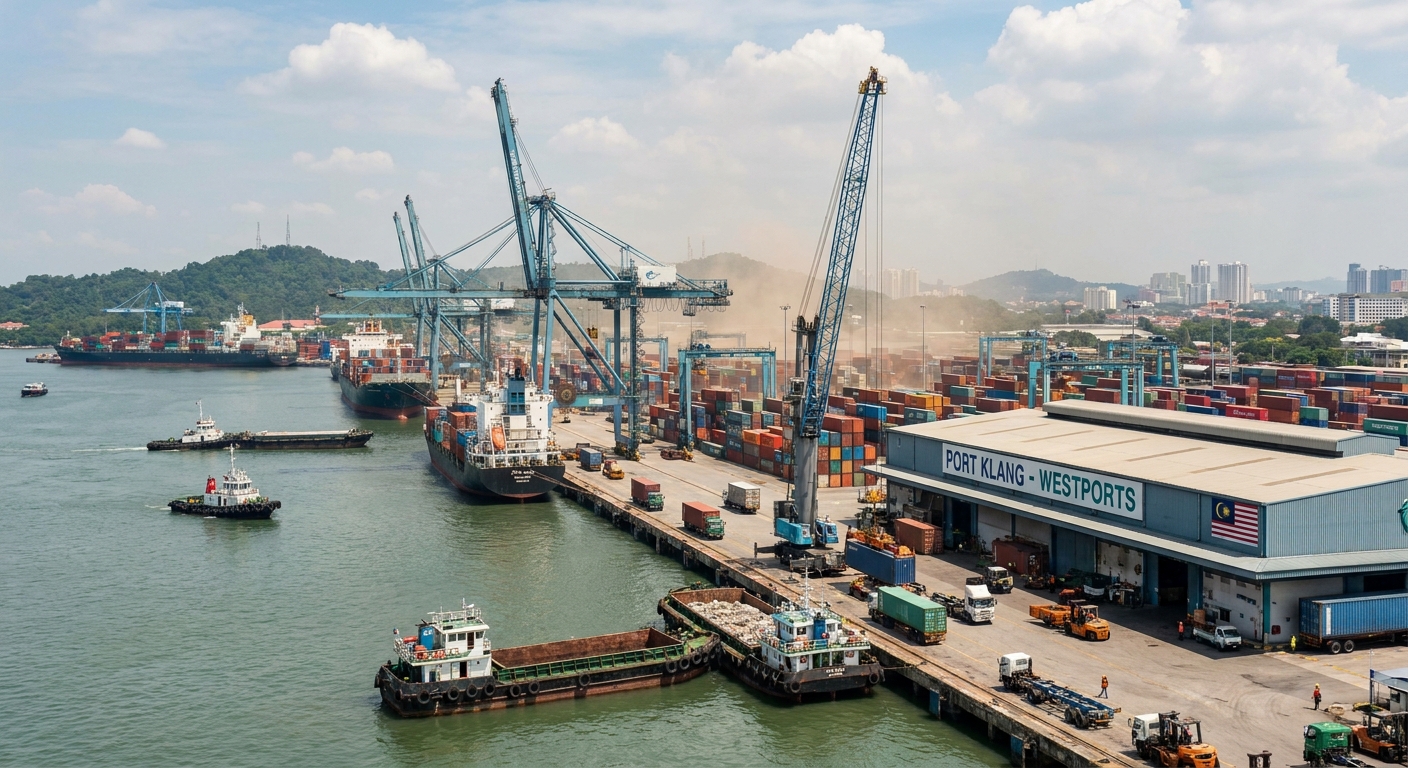
One of the most immediate impacts of global uncertainty is felt in the supply chain. The global supply chain challenges for Malaysian SMEs have become more pronounced, moving from a theoretical risk to a daily operational hurdle. We have all experienced the sting of sudden shipping cost increases, unexpected port delays, and the difficulty of sourcing materials that were once readily available. Relying on a single supplier or a single country for essential goods is no longer a viable strategy. A disruption in one part of the world can bring a production line in Selangor or Penang to a complete halt. This new environment demands a more resilient and flexible approach to sourcing and logistics.
Smart Strategies for Building Resilience
So, how can a Malaysian SME navigate these choppy waters? The answer lies in being proactive rather than reactive. The first, and perhaps most important, strategy is diversification. This means not putting all your eggs in one basket—either with suppliers or customers. Start exploring alternative suppliers within ASEAN or other regions to reduce your dependence on a single source. Secondly, make it a priority to understand and use Free Trade Agreements (FTAs). Agreements like the RCEP and the Comprehensive and Progressive Agreement for Trans-Pacific Partnership (CPTPP) can offer Malaysian businesses lower or zero tariffs when exporting to member countries. Learning how to obtain the necessary documentation, such as a Certificate of Origin, can provide a significant cost advantage and make your products more competitive overseas.
Charting a Course for Growth: Export Opportunities
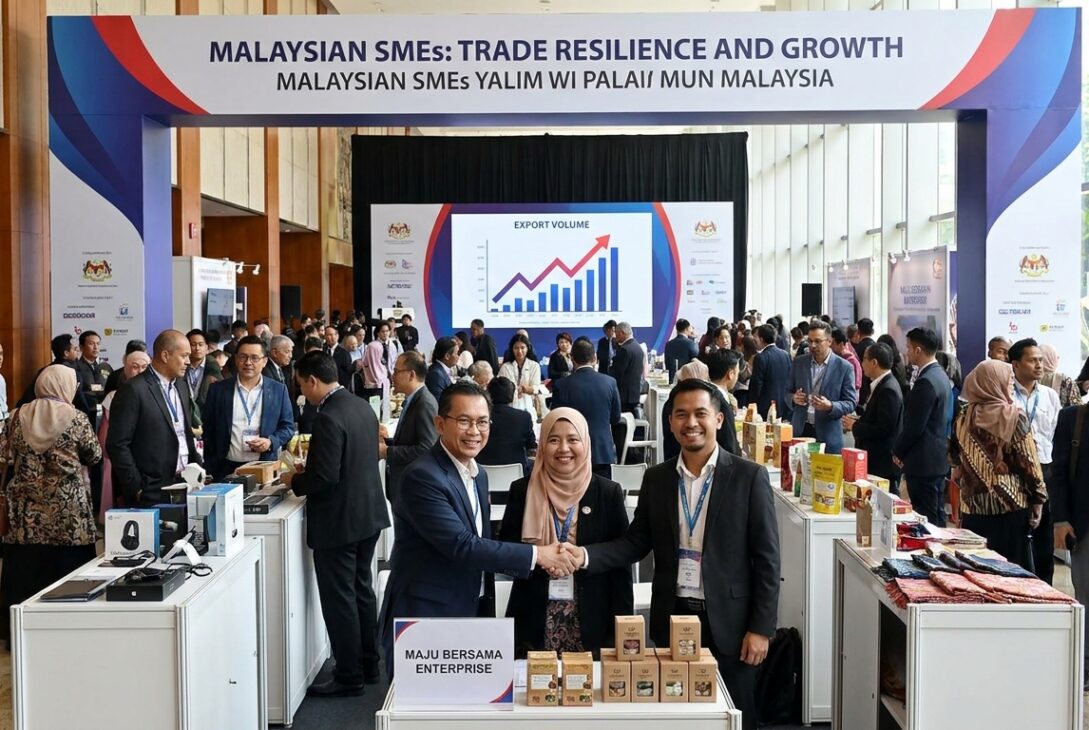
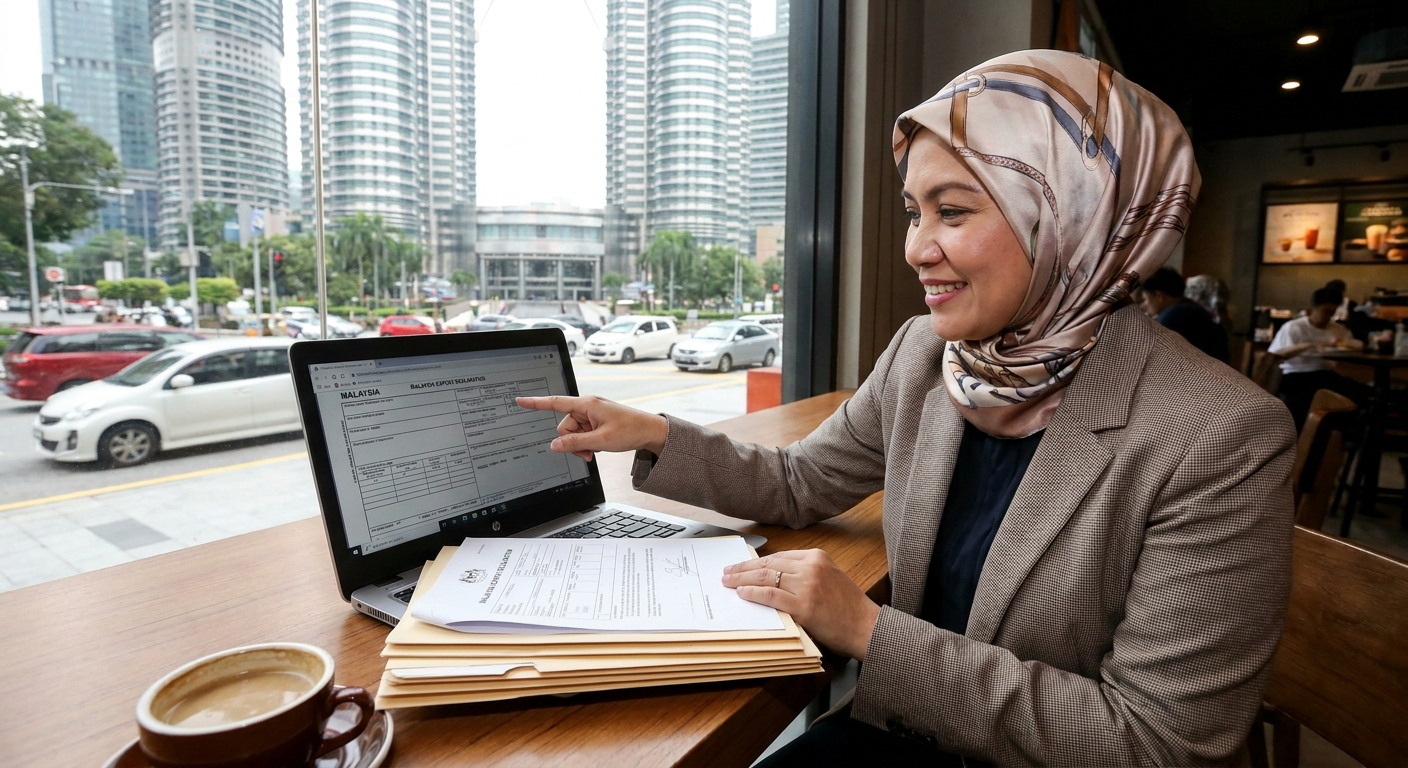
While challenges are plentiful, so are opportunities. The same trade diversions that cause disruption also create openings for agile businesses. As global companies rethink their supply chains, they are actively looking for reliable partners in new locations, and Malaysia is high on their list. Developing strong export strategies for Malaysian small businesses is key to capturing this interest. This involves more than just finding a buyer; it means building a brand that stands for quality and reliability. Focus on what makes your product unique and market it effectively on digital platforms to reach a global audience. The government, through agencies like MATRADE, offers valuable resources and grants to help local businesses break into international markets. Now is the time to explore these avenues for growth.
Strengthening Your Position for the Future
Long-term success in today’s market depends on agility and information. Mitigating the global supply chain challenges for Malaysian SMEs requires a commitment to staying informed. Follow trade news, connect with industry associations, and build strong relationships with your logistics partners—they are your eyes and ears on the ground. Similarly, refining your export strategies for Malaysian small businesses should be an ongoing process, adapting to new market demands and digital trends. By building a business that is both resilient in its operations and flexible in its strategy, you are not just preparing to survive disruptions; you are positioning yourself to thrive because of them.
In conclusion, the path for Malaysian SMEs in the global economy is filled with both complexity and promise. The key to navigating global trade challenges is not to fear the uncertainty but to embrace a mindset of preparedness and adaptability. By diversifying supply chains, leveraging the benefits of trade agreements like RCEP, and embracing digital tools to reach new customers, our local businesses can build remarkable resilience. The journey requires constant learning and a willingness to adjust course. At its core, it is about transforming external pressures into internal strengths. By doing so, Malaysian entrepreneurs can confidently steer their enterprises through any storm and towards a future of sustainable growth and international success.