

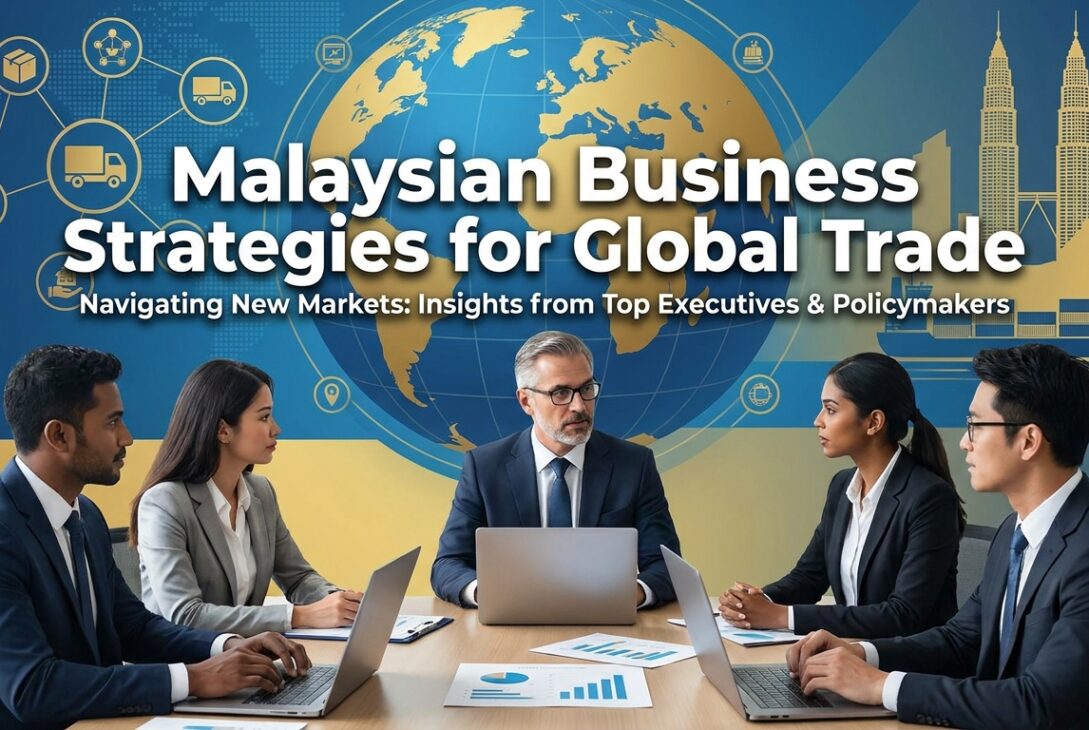
A single policy announcement made half a world away can feel distant and disconnected from our daily operations in Malaysia. Yet, in our deeply interconnected global economy, a decision made in Washington D.C. or Brussels can send ripples across the South China Sea, directly impacting businesses here at home. Recent shifts in global trade policies, particularly the tariffs and disputes involving major economic powers, are not just headlines; they are creating real-world volatility. For any Malaysian business involved in manufacturing, import, or export, understanding these changes is no longer optional. It’s essential for survival and growth. This article will explore how these global trade shifts affect our local businesses and what proactive steps we can take to navigate this new landscape effectively.
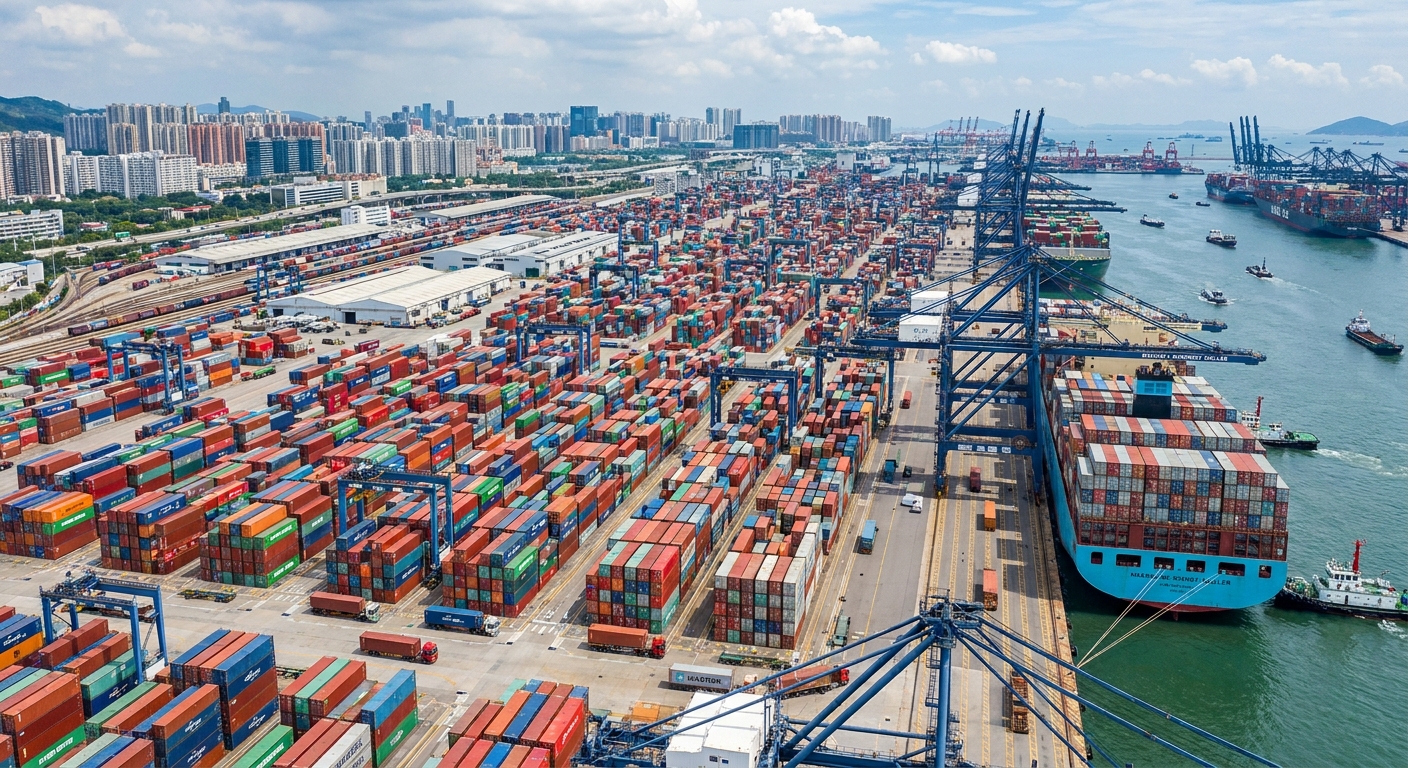
The Domino Effect of Global Trade Policies
Think of the global economy as an intricate line of dominoes. When a major player like the United States imposes tariffs on another, like China, it doesn’t just affect those two countries. The impact cascades, and Malaysia, being a key player in global supply chains, often feels the tremors. For instance, a tariff on electronic components from China can disrupt a Malaysian factory that uses those components to assemble a final product for export to Europe. Suddenly, production costs rise, timelines are delayed, and competitiveness is threatened. It is this chain reaction that Malaysian businesses must prepare for, as we are deeply integrated into the manufacturing and trade networks of the Asia-Pacific region and beyond.
How Trade Disputes Create Supply Chain Headaches
One of the most immediate impacts is felt in sourcing raw materials and components. Many Malaysian industries rely on a steady flow of imports to fuel their production lines. When trade disputes lead to tariffs, the cost of these essential materials can increase overnight. This volatility makes it incredibly difficult for businesses to manage their budgets, price their products accurately, and maintain healthy profit margins. This situation presents a core problem for many local companies: navigating supply chain challenges in Malaysia due to trade disputes. Forward-thinking businesses are now forced to re-evaluate their long-standing supplier relationships and look for alternatives to ensure their operations remain smooth and cost-effective.

Adapting Export Strategies for New Market Realities
It’s not just about what comes into Malaysia; it’s also about what we send out. Trade policies can alter the landscape of our export markets. A new tariff could make Malaysian-made goods more expensive and less attractive in a key market like the United States. On the other hand, it can also create unexpected opportunities. If a trade dispute makes goods from a competing country more expensive, Malaysian products might suddenly become a more appealing alternative. This requires businesses to be nimble and ready to pivot. Relying on one or two traditional export markets is becoming a risky strategy. The key is to constantly analyse market conditions and be prepared to explore new destinations for our goods.
Proactive Planning: Staying Ahead of the Curve
Waiting for the impact to hit is not a viable option. A proactive approach is necessary to safeguard your business. This begins with staying informed. Following international trade news, subscribing to updates from government bodies like MATRADE, and joining industry associations can provide valuable, timely information. Developing strong Malaysian business strategies for global trade policies involves more than just reacting; it means anticipating potential changes. Engage in scenario planning: what would a 10% tariff on your key export market mean for your pricing? What if a critical supplier is suddenly affected? Answering these questions now builds the resilience needed to withstand future shocks.
Building Long-Term Resilience Through Diversification
Ultimately, the best defence against global economic uncertainty is diversification. This two-pronged approach is one of the most effective Malaysian business strategies for global trade policies. Firstly, diversify your suppliers. If you rely on a single country for a critical raw material, you are exposed. By building relationships with suppliers in different regions, you create a safety net. This is a fundamental part of navigating supply chain challenges in Malaysia due to trade disputes. Secondly, diversify your markets. Explore emerging economies and strengthen your presence in regional blocs like the ASEAN Free Trade Area (AFTA). Spreading your export destinations reduces your dependence on any single market and its unpredictable trade policies.
In conclusion, the era of stable, predictable global trade seems to be on pause. For Malaysian businesses, the waves created by international trade policies are a reality we must confront. The challenges are clear, from managing volatile supply chain costs to adapting export strategies in shifting markets. However, these challenges also bring opportunities for those willing to be proactive and agile. By staying informed, planning for different scenarios, and actively diversifying both suppliers and markets, we can build more resilient and competitive businesses. The key is not to fear the uncertainty but to prepare for it. The companies that thrive in this new environment will be those that embrace adaptability and turn global turbulence into a strategic advantage.