
Navigating the global market used to feel like sailing on a predictable sea. While there were always currents and tides to watch, the routes were largely mapped out. Today, that sea has become stormy. The winds of international trade policies are shifting unexpectedly, and the waves of tariffs are rising higher than ever before. For Malaysian business owners, this isn’t a distant weather report; it’s a storm on our doorstep. These changes are creating ripples that reach our shores, affecting everything from the cost of raw materials to the price of our final products. In this article, we’ll explore the real-world effects of these policies and discuss practical steps your business can take to not just survive, but steer confidently through these turbulent waters.
The Ripple Effect on Our Local Businesses
It’s easy to think that a tariff between the United States and China has little to do with a café in Kuala Lumpur or a small factory in Penang. The reality is that our modern economy is a deeply interconnected web. A new trade policy overseas can set off a chain reaction that you feel directly in your bottom line. For instance, a tariff on steel might increase the cost of kitchen equipment you need to import. A tax on electronic components can raise the price of machinery parts essential for your production line. These aren’t abstract economic theories; they are real costs that shrink your profit margins. The impact of global trade policies on Malaysian businesses is often felt first as a subtle, but steady, increase in day-to-day operating expenses.
Facing the Squeeze: Challenges for SMEs
For small and medium enterprises (SMEs), which form the backbone of Malaysia’s economy, this pressure is particularly intense. Unlike large multinational corporations, SMEs have less room to absorb rising costs. This leads to difficult choices. Do you absorb the higher costs and accept lower profits? Or do you pass the increase on to your customers and risk losing them to competitors? Beyond pricing, this economic pressure can have a very human cost. When budgets get tight, plans for expansion are put on hold, hiring freezes are implemented, and in the worst cases, valuable employees may need to be let go. Securing financing also becomes more complex, as banks and investors become more cautious in an uncertain climate.
Rethinking Your Supply Chain for Resilience
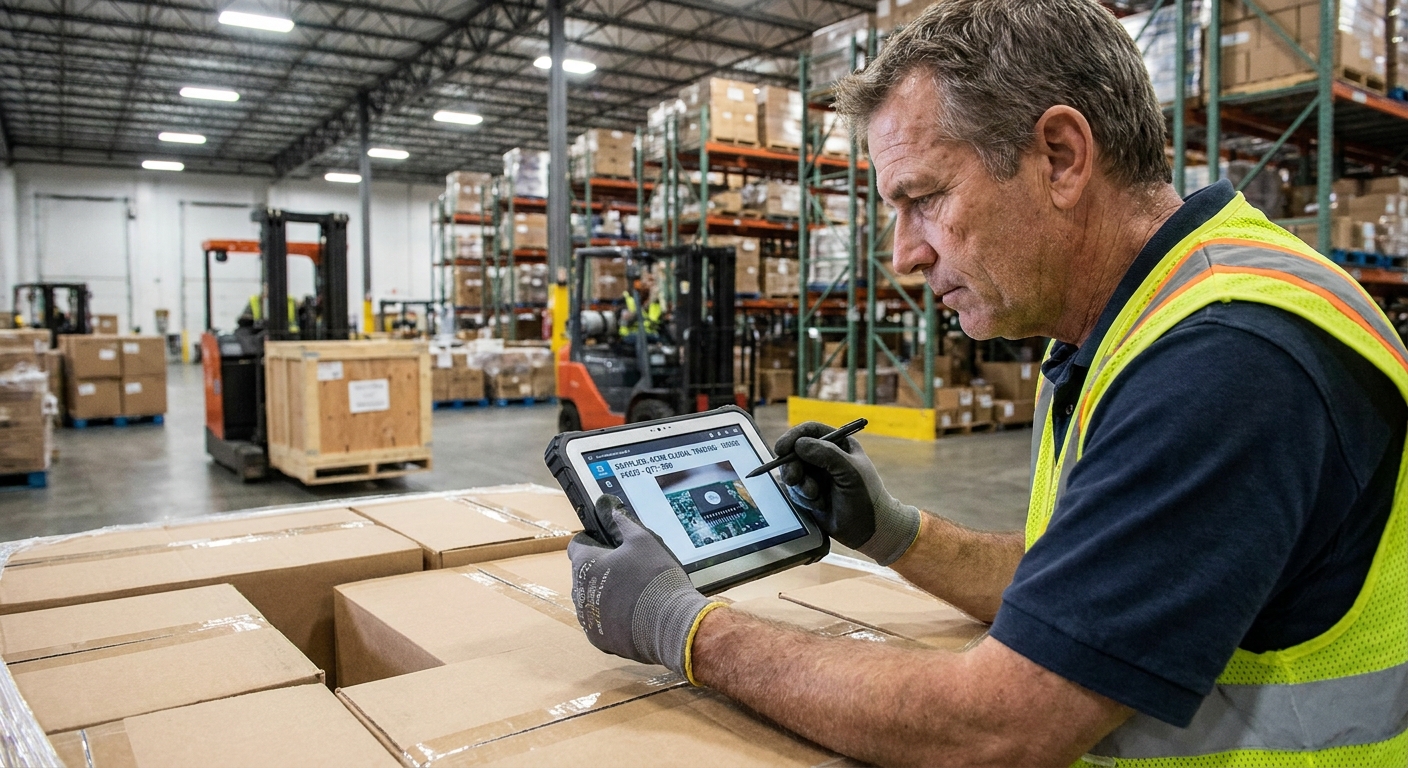
One of the most significant challenges—and opportunities—lies within the supply chain. For years, many businesses have relied on a few key suppliers to get the best prices. However, the current trade environment shows how risky this can be. If your primary supplier is suddenly affected by a new tariff, your entire operation can be disrupted overnight. This is a moment to proactively review where your materials come from. Is it time to diversify your suppliers? Can you source more components from within Malaysia or the wider ASEAN region to reduce exposure to international trade disputes? Exploring local and regional alternatives not only mitigates risk but can also strengthen our domestic economy and lead to new, valuable partnerships close to home.
Proactive Planning: Your Compass in the Storm
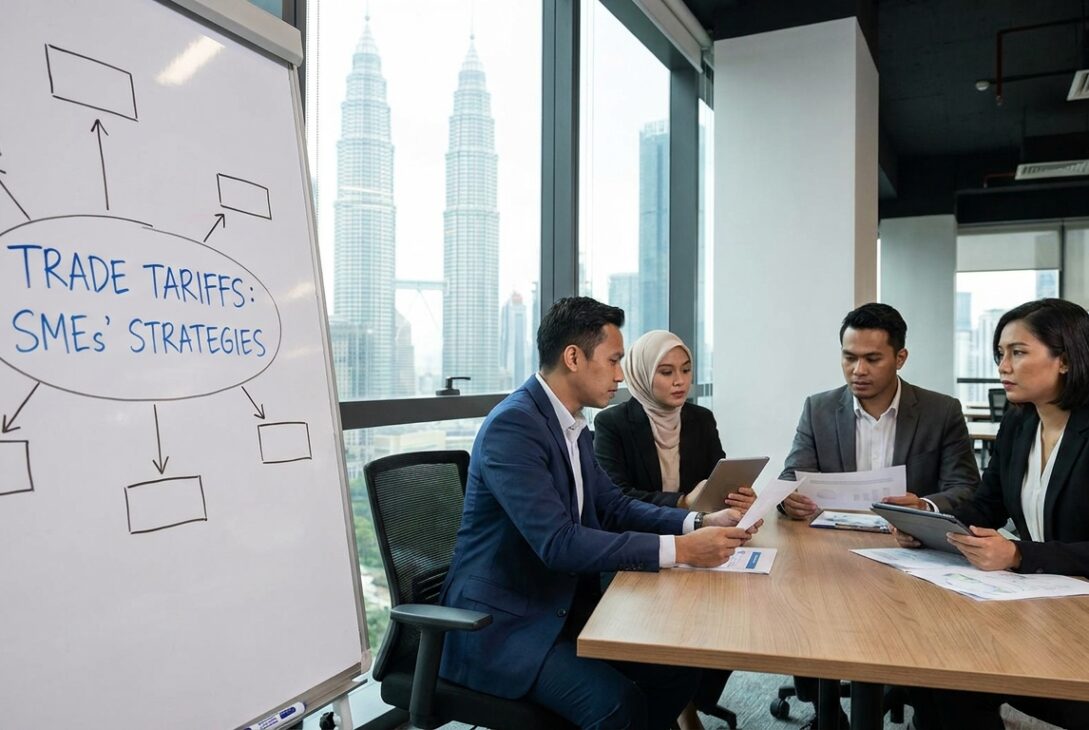
Waiting to see what happens is no longer a viable strategy. The key to navigating this new reality is proactive adaptation and solid planning. It begins with understanding how specific policies could affect your business. Treat it like a fire drill: run scenarios. What would happen if the cost of your most important raw material increased by 15%? What is your backup plan if a key shipping route is disrupted? Creating this business “compass” involves building financial resilience through a healthy cash reserve and regularly stress-testing your budget. These are some of the most effective strategies for Malaysian SMEs to manage tariff-related challenges, turning reactive panic into proactive power. By planning for different possibilities, you equip your business to pivot quickly when changes occur.

Securing Smart Financing and Mitigating Risk
A strong plan is essential, but executing it often requires capital. In a cautious economic climate, securing a traditional bank loan might be more difficult. However, this is where strategic thinking comes in. Businesses with a clear plan detailing how they are addressing the impact of global trade policies on Malaysian businesses are more attractive to funders. It’s also worth exploring alternative financing options. Look into government grants and support schemes offered by agencies like MATRADE and SME Corp, which are designed to help local businesses grow. A well-researched financial strategy, forming a core part of your overall strategies for Malaysian SMEs to manage tariff-related challenges, demonstrates that you are a resilient and forward-thinking leader, making your business a much safer bet for any investor or lender.
Embracing Change to Secure Your Future
The global trade landscape may be more complex and uncertain than ever, but this is not a cause for despair. Instead, it is a powerful call to action for every Malaysian business owner. This new era demands us to be more aware, more agile, and more strategic than ever before. By understanding the challenges, rethinking our supply chains, planning proactively, and exploring smart financing, we can turn uncertainty into opportunity. This is our chance to build leaner, stronger, and more resilient organisations that are prepared for the future. Staying informed and adaptable is no longer just good business practice—it is the key to ensuring your long-term success and securing your place in the ever-evolving global economy.