

A storm is brewing on the global economic horizon. We see the headlines every day – talk of new tariffs, shifting trade agreements, and economic uncertainty. It can be easy for a busy entrepreneur in Malaysia to dismiss these as distant problems for giant corporations. However, the ripples from these events are now reaching our shores, and it is our small and medium enterprises (SMEs) that are feeling the swell. The conversation is shifting towards the hidden cost of trade wars and the immense pressure they place on smaller businesses. This article is for you, the Malaysian business owner. We will explore how small businesses are navigating economic challenges, looking at the real financial pressures and, more importantly, the practical strategies you can adopt to ensure your business remains resilient and ready for whatever comes next.
The New Squeeze on Your Finances
The most immediate effect of global trade turbulence is a direct hit on your bottom line. Suddenly, raw materials or components that were once affordable have seen their prices climb due to tariffs. Shipping and logistics costs have also become more unpredictable and expensive. This isn’t just a minor inconvenience; it actively shrinks your profit margins and complicates cash flow. Many businesses are forced to absorb these costs to remain competitive, but this is not a sustainable long-term solution. This new reality demands a much sharper focus on small business financial management. It forces difficult questions: can we afford to hold this much stock? Do we need to look for a short-term loan to cover this new expense? This is the frontline where trade wars are fought, not in government halls, but on the spreadsheets of small businesses.

Adaptability is Your New Superpower
In a stable market, consistency is king. In a volatile one, adaptability is the key to survival. Companies that are succeeding today are the ones that can pivot quickly. This doesn’t necessarily mean a complete business overhaul. Adaptability can be as simple as adjusting your product pricing strategy to reflect new costs, or actively marketing to a different domestic customer segment to reduce reliance on fluctuating international markets. It could also mean re-engineering your product to use alternative, more accessible materials. The businesses that cling rigidly to “the way we’ve always done things” are the most at risk. The winners will be those who see change not as a threat, but as an opportunity to innovate and get leaner.
Moving Beyond a Single Basket: Supply Chains
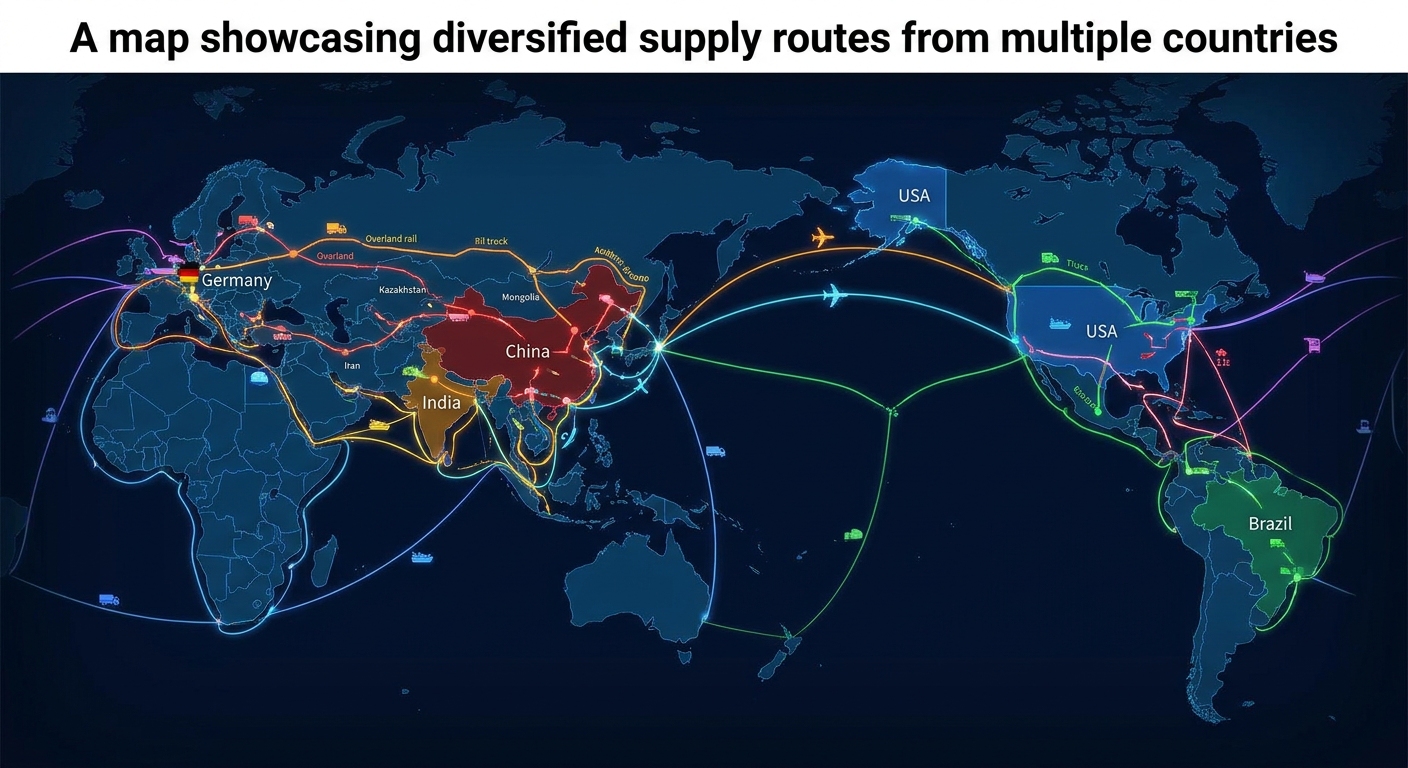
For years, the mantra was to find the most cost-effective supplier, which often meant relying on a single source or a single country. This approach is now showing its fragility. A sudden tariff or policy change in one country can bring your entire production line to a halt. This is why developing effective supply chain diversification strategies is no longer a “nice-to-have” but a critical business necessity. Looking within the ASEAN region, or even better, identifying capable suppliers here in Malaysia, can insulate your business from geopolitical shocks happening halfway across the world. Building a network of suppliers provides flexibility. If one route becomes too expensive or unreliable, you have others to fall back on, ensuring business continuity.
Actionable Lessons for Malaysian Entrepreneurs
So, what can you do, starting today? It begins with being proactive. Don’t wait for the effects to hit your bank account. Here are a few concrete steps:
- Stay Informed: Make it a habit to follow international trade news. Understand how policies in the US, China, and Europe could impact the cost of your specific goods.
- Build a Financial Buffer: Excellent small business financial management is your best defence. Work on building a cash reserve that can help you weather a few months of increased costs or slower sales without having to take on high-interest debt.
- Explore Alternative Financing: Familiarise yourself with financing options beyond a traditional bank loan. Look into government grants for SMEs, peer-to-peer lending platforms, or invoice financing to manage cash flow gaps.
- Start Small with Diversification: You don’t have to change all your suppliers overnight. Begin by identifying a backup supplier for your most critical component. This simple step is the start of building robust supply chain diversification strategies.
Building a Resilient Business for a Volatile World
In conclusion, the global economic climate is challenging, and the hidden cost of trade wars is a reality we must all face. The pressure on cash flow, the rising cost of goods, and the general uncertainty can feel overwhelming. However, this is not a time for despair, but for strategic action. For Malaysian SMEs, this period highlights the importance of being agile, informed, and prepared. By focusing on adaptability, diversifying your supply chain, and maintaining disciplined financial control, you are not just preparing to survive. You are building a stronger, more resilient business that is capable of weathering any storm. This is how small businesses are navigating economic challenges – not by hoping the storm passes, but by learning to sail expertly in rough waters.