
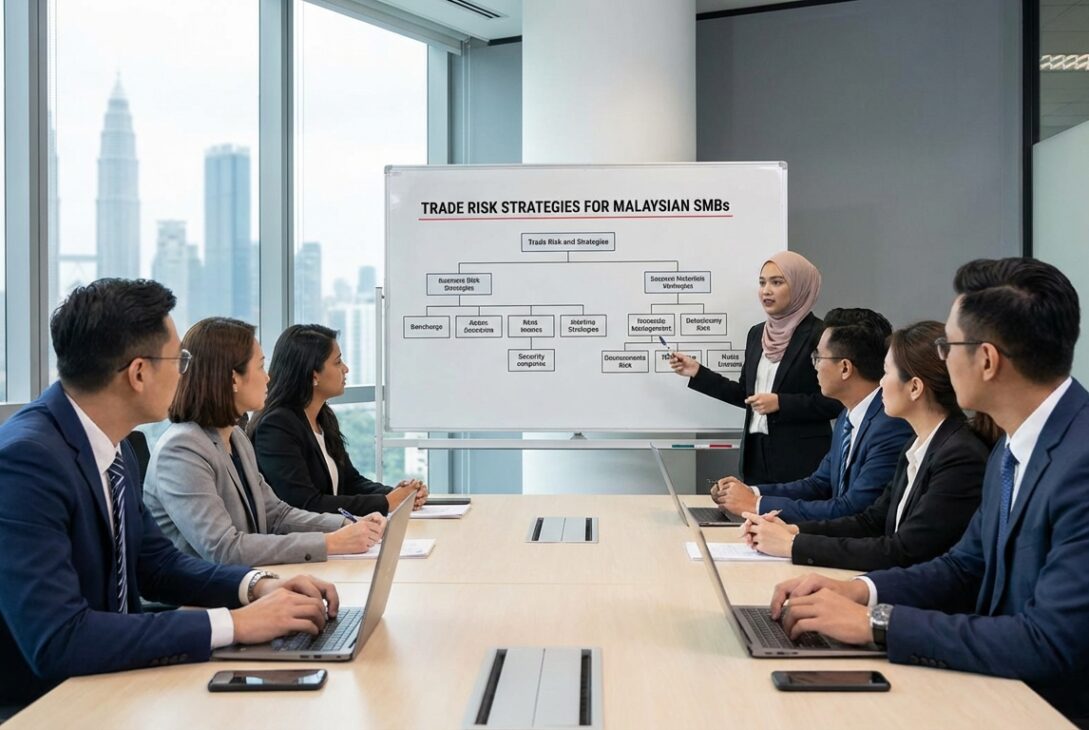
The global marketplace once felt like an open ocean, vast and full of opportunity. Today, that ocean is becoming choppier, with sudden currents of new tariffs and shifting trade winds making the journey much tougher for smaller vessels. For small and medium-sized businesses (SMBs) here in Malaysia, navigating these waters is no longer optional—it is essential for survival. The headlines about trade disputes in faraway countries can feel distant, but their effects are landing right on our doorstep, impacting everything from the cost of raw materials to access to your key customers. In this article, we will explore practical and proactive strategies to help your business not only weather the storm but also find new, calmer seas of opportunity amidst the uncertainty.
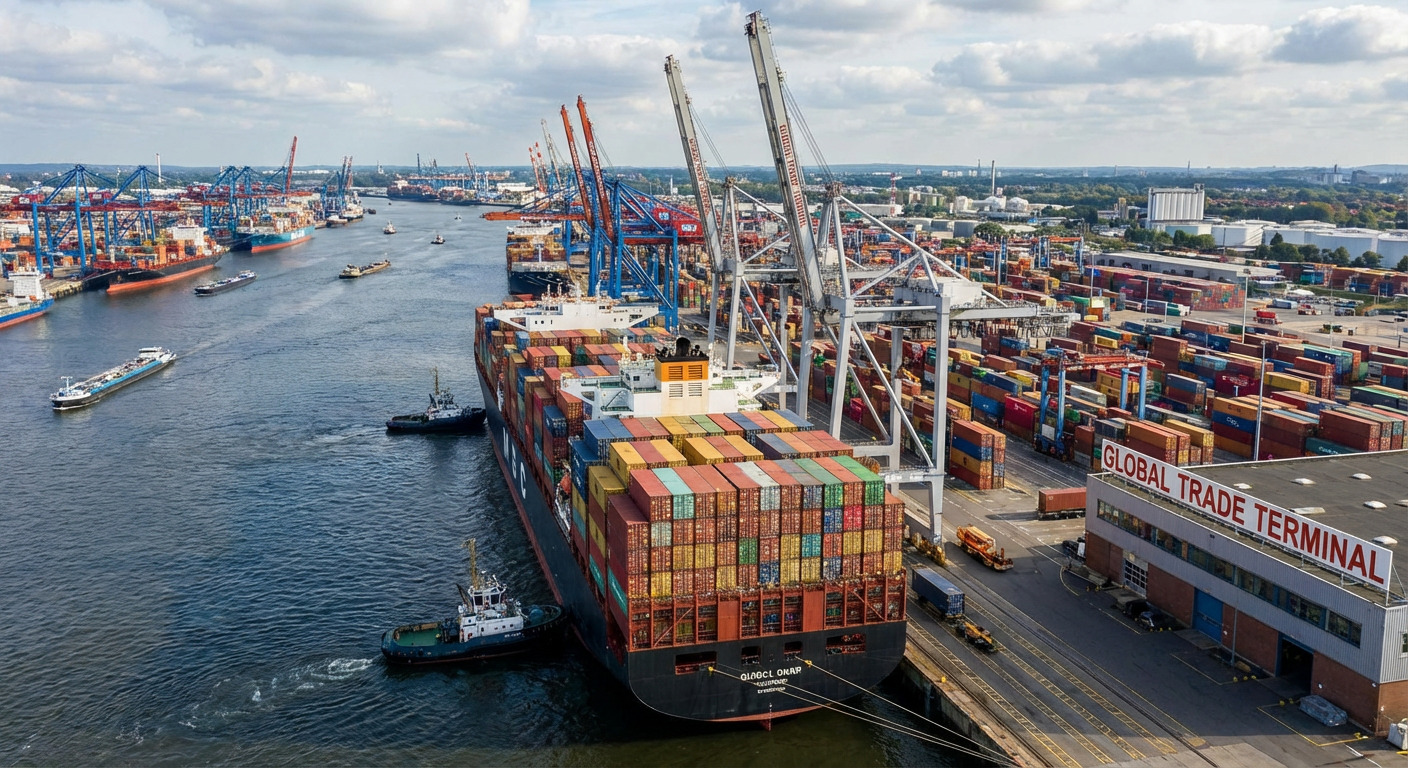
Making Sense of a Shifting Global Stage
In recent years, we have seen a noticeable rise in trade barriers and protectionist policies around the world. What begins as a trade disagreement between two major economies, like the United States and China, quickly sends ripples across the entire globe. For a Malaysian business, this could mean that the electronic components you import suddenly cost 20% more, or that the market you export your finished goods to has just become less welcoming. Understanding the trade policy impact on Malaysian SMEs is the first step toward building a more resilient business. It’s about accepting that this volatility is the new normal and moving from a reactive stance to a proactive one.
Don’t Put All Your Goods in One Basket
One of the most effective strategies for Malaysian businesses to mitigate trade risks is to diversify your supply chain. Relying on a single country or supplier for critical materials is a huge gamble. Think of it this way: if your entire business depends on a component sourced from Country A, and that country suddenly faces new export tariffs or logistical shutdowns, your production could grind to a halt overnight. It’s time to look closer to home and around the region. Could you source similar quality materials from Vietnam, Indonesia, or even from a local supplier here in Malaysia? Spreading your sourcing across multiple locations creates a safety net, ensuring that a problem in one part of the world does not bring your entire operation down. It might require more effort upfront, but the long-term security is invaluable.
Fuelling Your Business Beyond the Bank
When trade uncertainties cause cash flow to tighten, traditional bank loans can become harder to secure. Banks often become more risk-averse during volatile economic periods. However, this is where Malaysian SMBs can get creative with their financing. A whole ecosystem of alternative funding options has emerged. Peer-to-peer (P2P) lending platforms, for instance, connect businesses directly with investors, often with more flexible terms than conventional banks. Furthermore, keep an eye on government grants and incentives. Organisations like SME Corp Malaysia and various ministries frequently offer financial support schemes designed to help local businesses grow, innovate, and weather economic challenges. Exploring these diverse funding sources can provide the fuel your business needs to keep moving forward when traditional channels are congested.
Staying Agile in a World of Flux
In a constantly changing environment, agility is your greatest asset. The ability to adapt quickly to new regulations or market shifts can mean the difference between thriving and failing. But how can you stay agile? It starts with staying informed. Dedicate time to monitoring trade news and policy announcements from reliable sources, such as the Ministry of Investment, Trade and Industry (MITI) and MATRADE. Joining business associations and industry groups is also a great way to gain collective insights and early warnings. More importantly, develop a “what-if” mindset. Create contingency plans for different scenarios. For example, what is your plan if a key export market imposes a new tariff? Having a pre-prepared response allows you to act decisively instead of panicking, minimising the negative trade policy impact on Malaysian SMEs.
To conclude, the currents of global trade are undeniably complex and challenging. For Malaysian SMBs, the path forward requires more than just hard work; it demands smart, proactive planning. By embracing core strategies for Malaysian businesses to mitigate trade risks, you can build a stronger, more adaptable enterprise. Diversifying your supply chains reduces your vulnerability to single-point failures. Exploring alternative financing options provides the financial flexibility needed to navigate tight spots. Above all, cultivating an agile and informed culture ensures your business can pivot quickly in response to change. These are not just defensive moves; they are strategic steps that can uncover new efficiencies, markets, and opportunities. The storm may be real, but with the right preparation, your business can be the ship that sails through it, emerging stronger on the other side.