Written by Bryan•April 9, 2026•12:03 pm•Insights •
Views: 0
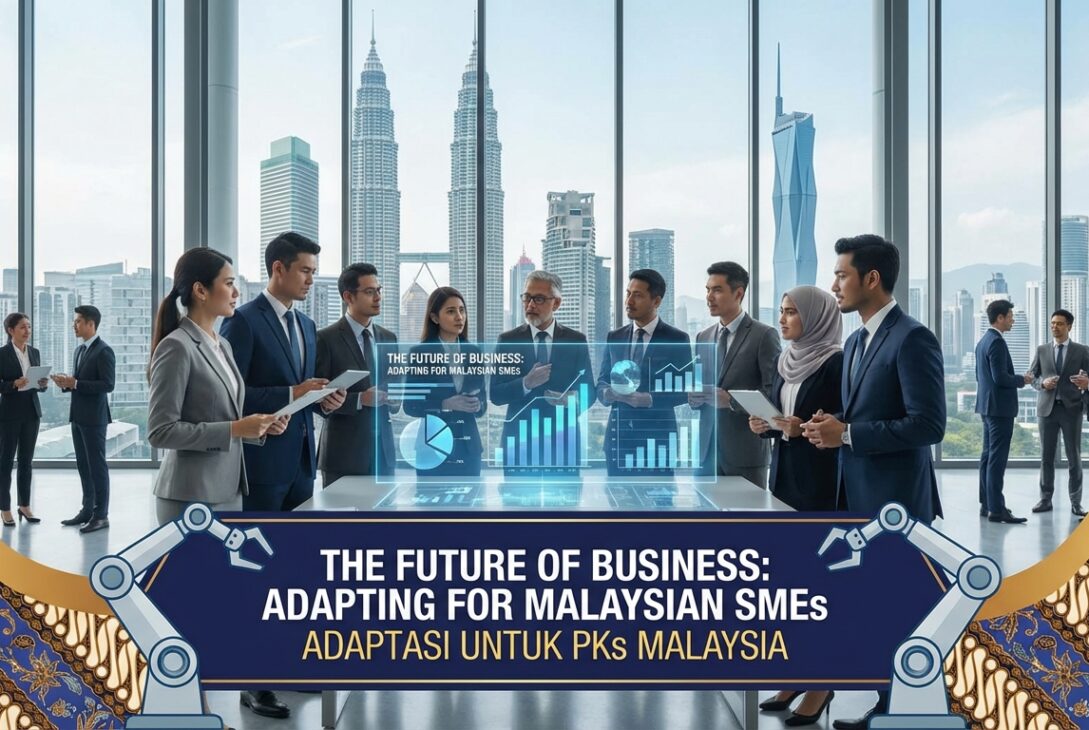
The Future of Business: Adapting for Malaysian SMEs
The familiar hum of our towns and cities is changing. Where a bustling street market once stood, a network of delivery riders now zips by. The traditional way of doing business in Malaysia is being reshaped, not by a single force, but by a perfect storm of technological leaps, new economic realities, and shifting customer habits. For small and medium enterprises (SMEs), simply staying the course is no longer an option. True resilience now lies in transformation. In this article, we will explore this clear, emerging trend. We will look into the strategies Malaysian entrepreneurs can use to adapt, the rise of digital-first business models, and how to build a flexible, tech-savvy company that is ready for the future.
The New Rules of Business in Malaysia
The ground is shifting beneath our feet. For generations, business success was often about a good location and a quality product. Today, the challenges are more complex. We’re navigating a world of rapid technological change, unpredictable economic policies, and global market shifts that can impact a local business in Kuala Lumpur overnight. It’s no longer enough to be good at what you do; you must also be great at adapting how you do it. This changing environment demands a proactive approach, forcing entrepreneurs to constantly re-evaluate their operations, customer outreach, and even their core revenue streams to stay relevant and profitable in a crowded market.
“A business owner using a mobile app to manage orders and deliveries.”
Embracing Digital and Mobile-First Models
Have you noticed how franchises are changing? The old model of a heavy, brick-and-mortar investment is giving way to leaner, more agile setups. Many new business opportunities are now driven by mobile apps and digital platforms. Think about the food and beverage industry, where a business can launch with a simple cloud kitchen and rely entirely on platforms like GrabFood or Foodpanda for customers and logistics. This significantly lowers the barrier to entry. We are seeing a new wave of technology-enabled business models for SMEs that are less about physical space and more about digital presence. These models are built on efficiency, data, and reaching customers wherever they are—on their phones.
The “Great Wealth Transfer” and Low-Cost Ventures
A fascinating economic shift is happening in the background: the “Great Wealth Transfer.” As older generations pass on their assets, a new generation of younger, more digitally native entrepreneurs is emerging. They are inheriting family businesses with a desire to modernise, or they are using their new capital to invest in smart, low-cost business ventures. This trend fuels the growth of models that don’t require huge initial investment. Examples include direct-to-consumer brands that leverage social media for marketing, specialised service providers who work remotely, and e-commerce stores built on dropshipping. These businesses are nimble, able to test ideas quickly, and scale without the burden of heavy overheads.
Building a Flexible, Tech-Integrated Business
In this new era, flexibility is your greatest asset. The most successful businesses will be those that can pivot quickly in response to market changes. Building this agility requires more than just a website or a social media page; it means truly integrating technology into your operations. This is the cornerstone of effective business model adaptation Malaysia. This could mean using cloud accounting software to get a real-time view of your finances, using customer data to personalise your marketing, or adopting project management tools to keep your team aligned, whether they are in the office or working remotely. A tech-integrated business is not just more efficient; it is more resilient and better prepared for whatever comes next.
“A diverse team of young Malaysian entrepreneurs collaborating on a new business strategy.”
Positioning for Tomorrow’s Opportunities
Understanding these trends is the first step; acting on them is what will set you apart. For local businesses, this is a moment of huge opportunity. By embracing technology-enabled business models for SMEs, you can expand your reach far beyond your neighbourhood, tapping into markets across Malaysia and even Southeast Asia. The key is to think like a strategist. Analyse your current model: where are the bottlenecks? What processes can be digitised? How can you get closer to your customer using technology? Proactive business model adaptation Malaysia isn’t just about survival; it’s about positioning your business to catch the next wave of growth. By building a flexible and forward-thinking company today, you can mitigate future risks and confidently seize emerging opportunities.
In summary, the business landscape in Malaysia is undergoing a profound transformation. The old ways of operating are making way for more dynamic, digital, and mobile-driven approaches. From the rise of app-based franchises to the opportunities presented by the “Great Wealth Transfer,” the message is clear: adaptation is essential. We have seen how entrepreneurs can leverage technology not just for marketing, but to build fundamentally more flexible and resilient operations. By focusing on creating lean, tech-integrated models, Malaysian SMEs can navigate the current disruptions effectively. This isn’t a time for fear, but for action. It is an opportunity to rebuild, innovate, and position your business for long-term success in an exciting and ever-changing digital economy.