
The Global Landscape’s Impact on Malaysian SMBs: Navigating Challenges and Seizing Opportunities
The ripples from a stone dropped in a distant ocean can eventually reach our shores. In today’s interconnected world, this is a reality for every business owner in Malaysia. Events happening thousands of miles away—from political tensions to economic policy shifts—create waves that wash over our local market. For small and medium-sized businesses (SMBs), these waves can feel unpredictable. However, they also carve out new coastlines of opportunity for those ready to adapt. This isn’t a time for panic, but for preparation. In this article, we will explore the key global trends affecting our business community and discuss practical strategies for navigating supply chain issues, managing price fluctuations, exploring new ownership avenues, and preparing for tax changes.

Navigating Choppy Supply Chain Waters
For years, many Malaysian businesses relied on predictable, just-in-time supply chains. Today, that predictability has been replaced by disruption. International conflicts and shifting trade alliances can cause sudden delays, reroute shipping lanes, and increase freight costs overnight. These are serious SMB challenges in Malaysia, affecting everything from manufacturing output to the stock on a retailer’s shelf. Blindly hoping for things to “return to normal” is not a strategy. Instead, building a more resilient supply chain is the way forward.
This means actively diversifying your suppliers. Rather than relying on a single source in one country, explore alternatives, including those closer to home within the ASEAN region. Look into localising parts of your supply chain where possible, which can reduce shipping times and costs. Furthermore, adopting simple technology for inventory management can provide a clearer picture of your stock levels, helping you anticipate shortages and order ahead before disruptions hit.
Adapting to Volatile Commodity Prices
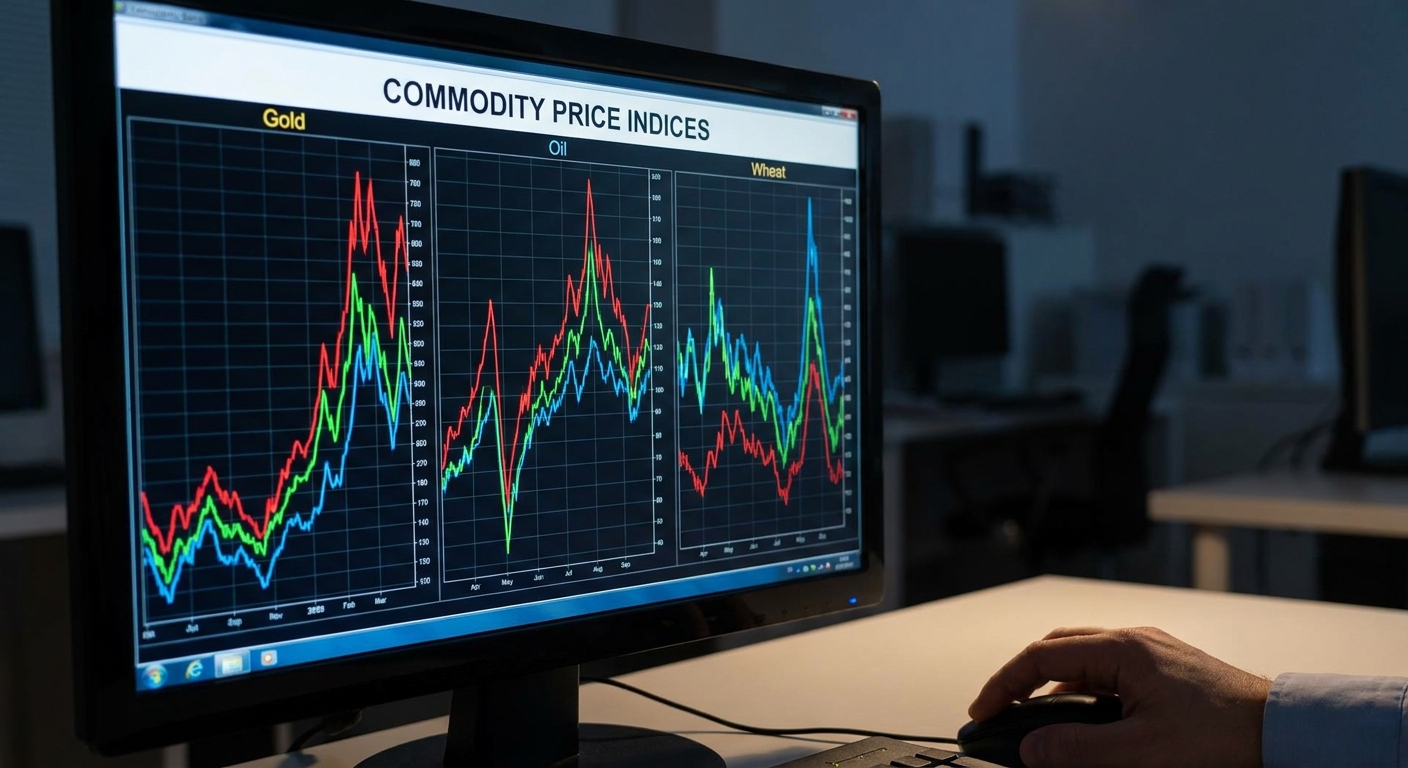
The price of everything, from fuel and raw materials to microchips, seems to be on a rollercoaster. Global demand shifts and inflationary pressures mean the costs you paid last month are not guaranteed for next month. This volatility directly impacts your bottom line, making it difficult to price your products and services competitively while protecting your profit margins. To manage this uncertainty, SMBs need to develop a more flexible approach to pricing and cost management. Consider building price escalation clauses into longer-term contracts to protect yourself from sudden input cost increases. It is also a good time to review your internal operations—are there efficiencies you can implement to absorb some of these rising costs without passing them all on to your customers?
Capitalising on Evolving Business Ownership Trends
While global uncertainty creates challenges, it also creates unique opportunities, particularly in the realm of business acquisitions. Some international companies may look to divest their Malaysian operations to focus on their core markets, creating openings for local players. At the same time, some local business owners nearing retirement may decide that now is the right time to sell. For ambitious SMBs with a strong balance sheet, this is a prime moment for growth through mergers and acquisitions (M&A). Acquiring a competitor can increase your market share, while buying a supplier can give you greater control over your supply chain. The key is to be prepared: have your finances in order and actively scan the market for businesses that align with your strategic goals.
Preparing for Potential Tax Changes
Governments across the world, including in Malaysia, often respond to economic pressures by adjusting their tax policies. We are already seeing discussions around new taxes, such as the Capital Gains Tax, and potential adjustments to existing ones. The global economic impact on Malaysian businesses is often felt directly through these fiscal measures. While we cannot predict the exact changes, we can certainly prepare for them. This is the time to ensure your financial record-keeping is flawless. Work closely with a professional tax advisor to understand how potential new policies could affect your business specifically. Running different scenarios can help you structure your business and finances in a way that is both compliant and optimised for the coming fiscal landscape.

Conclusion: Embracing Agility and Seizing Opportunities
The current global environment demands more from business leaders than ever before. The core SMB challenges in Malaysia are deeply entwined with international events, forcing us to be more aware and agile. By actively working to make supply chains more robust, adopting flexible pricing strategies, keeping an eye out for acquisition opportunities, and preparing for tax shifts, you are not just building a defence against uncertainty; you are building a more dynamic and resilient business. The global economic impact on Malaysian businesses is not just a threat but also a catalyst for innovation and growth. By embracing this new reality with a proactive mindset, Malaysian SMBs can confidently navigate the complex landscape and position themselves to thrive, no matter what the next wave brings.