
The morning news flashes headlines about distant trade disputes, and by lunchtime, you find yourself staring at a revised invoice with higher shipping fees. It’s a scenario many Malaysian business owners have become all too familiar with. The world feels smaller, and events happening thousands of miles away now have a direct impact on our daily operations, from the cost of raw materials to the spending habits of our customers. This growing interconnectedness presents both hurdles and opportunities. While we cannot control global events, we can certainly control how we respond. This article explores the current climate of global economic uncertainty Malaysia faces and provides practical approaches for local small and medium-sized businesses (SMBs) to not just survive, but to build a stronger, more adaptable enterprise for the future.
The Ripple Effect: Global Events on Our Shores
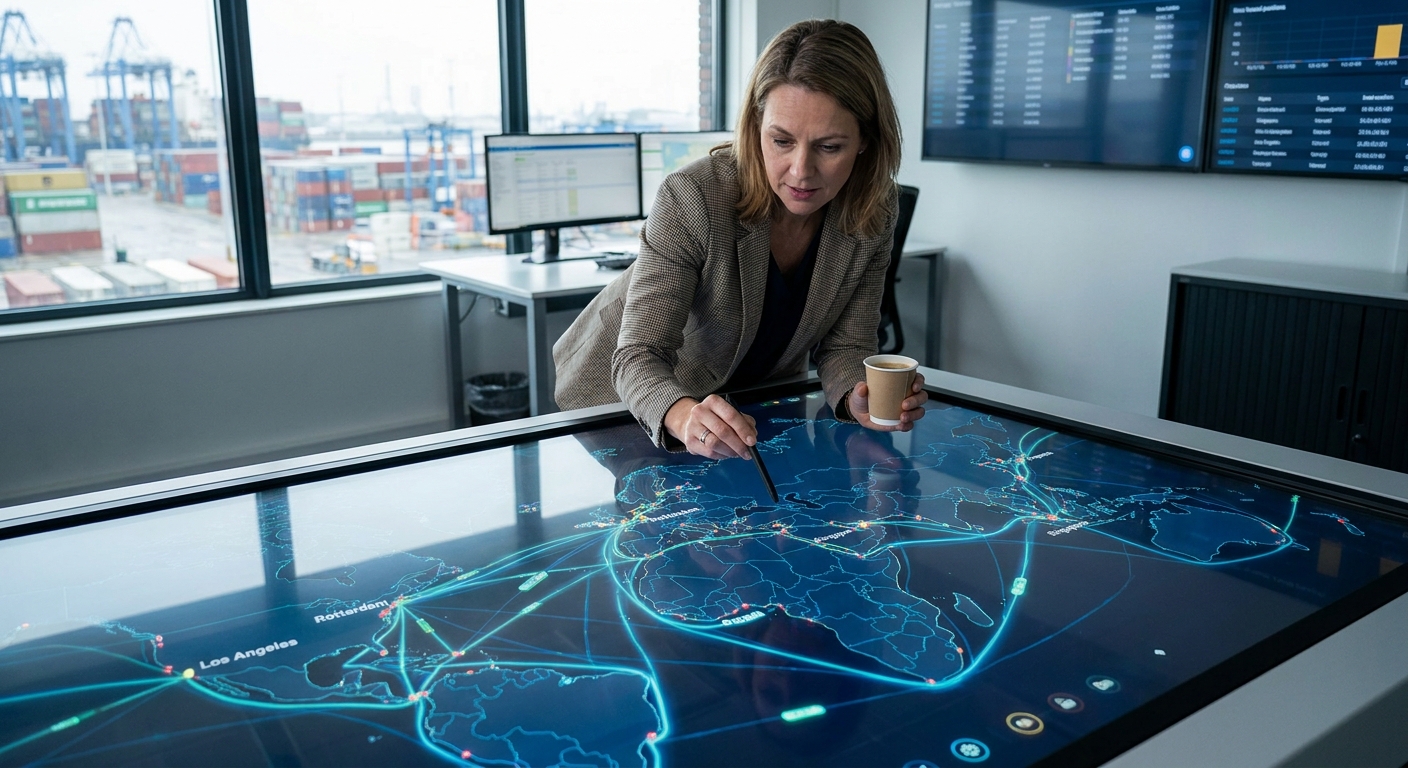
It is easy to dismiss international news as something that does not concern us directly. However, the reality is quite different. The ongoing trade tensions between major economic powers like the US and China, for example, can disrupt established trade routes and create market volatility. For a Malaysian business that imports components or exports finished goods, this translates into unpredictable costs and potential delays. Similarly, fluctuations in global oil prices directly influence logistics and transportation costs across the board. An increase in oil prices means it costs more to transport goods from Port Klang to a customer in Penang, and that cost is ultimately borne by the business or the consumer. Understanding these connections is the first step toward preparing for them.
Untangling Your Supply Chain
For many businesses, the pandemic laid bare the fragility of relying on a single source or region for supplies. One of the most significant Malaysian SMB challenges today is navigating these persistent supply chain disruptions. Waiting for a single shipment that is held up can bring your entire operation to a standstill. The solution lies in proactive management. We encourage businesses to start by auditing their current supply chain to identify potential weak spots. Can you find alternative suppliers within Malaysia or the wider ASEAN region to reduce dependency on one country? Building a small buffer stock of critical components can also provide a cushion against unexpected delays. Exploring relationships with multiple logistics providers can give you flexibility when one channel becomes too expensive or unreliable.
Keeping Pace with the Malaysian Consumer
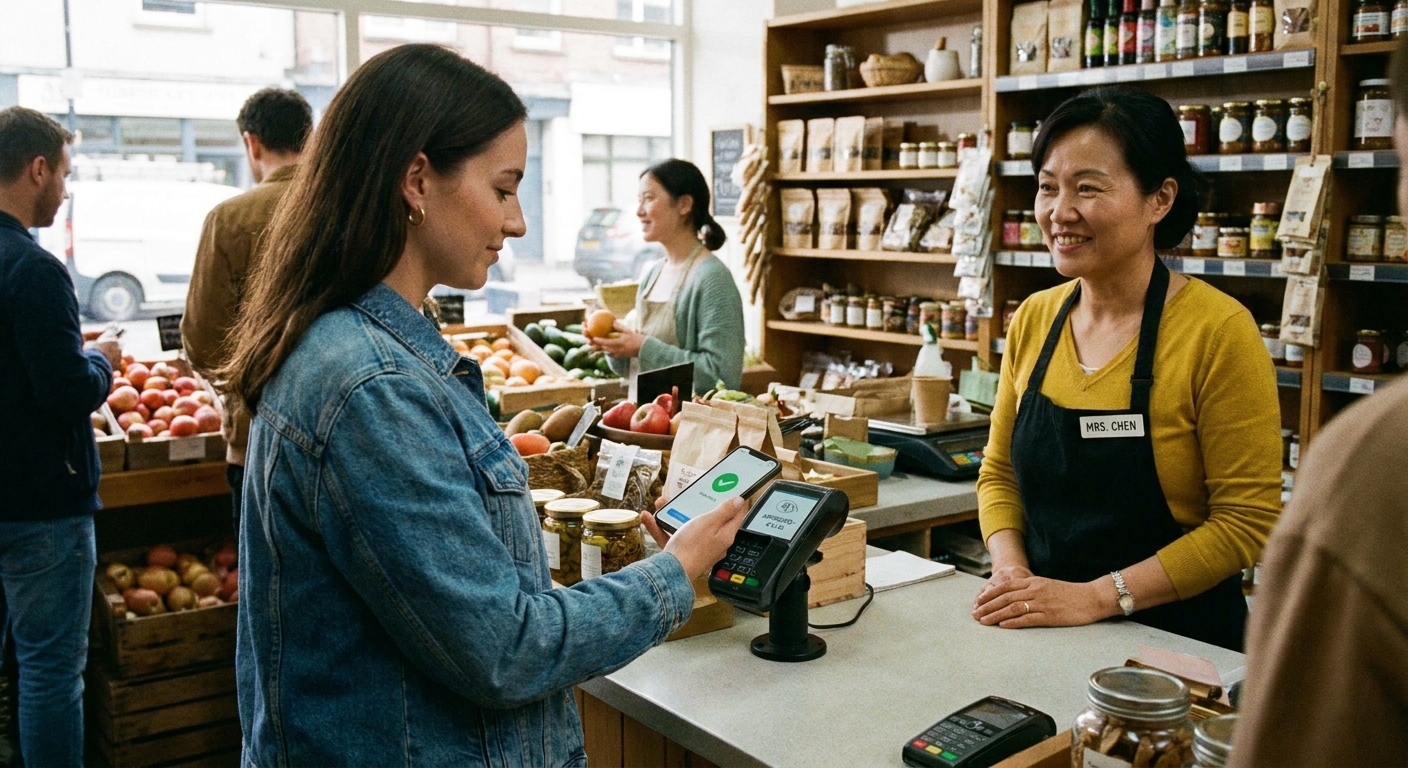
Global economic pressures also change how our customers think and spend. With rising inflation, households are becoming more budget-conscious, carefully considering every purchase. This shift in consumer behaviour requires a corresponding shift in our approach. This is where effective Malaysian SMB strategies come into play. Many businesses have found success by embracing digital transformation. Having a strong online presence, whether through an e-commerce website or active social media channels, is no longer just an option. It allows you to reach customers directly, offer promotions, and build a loyal community around your brand. Furthermore, analysing data from your online sales can provide valuable insights into what your customers want, allowing you to adapt your products and services to meet their changing needs.
Building a Business That Bends, Not Breaks
In an unpredictable environment, the goal is to build a company that is flexible and resilient. Strengthening Malaysia business resilience involves looking inward and optimising your operations. One of the most effective Malaysian SMB strategies is to invest in affordable technology that improves efficiency. This could be as simple as adopting cloud-based accounting software to better track cash flow or using a customer relationship management (CRM) tool to manage client interactions. It is also worth exploring the various grants and support schemes offered by government agencies like SME Corp and MDEC, which are designed to help businesses upgrade their capabilities. Investing in your team through training and upskilling is another powerful way to build a more agile and innovative organisation ready for any challenge.
Conclusion: Thriving Amidst the Tides of Change
The current era of global economic uncertainty Malaysia is experiencing is not a temporary storm to be weathered, but a new climate for us to operate in. The key is to shift from a reactive stance to a proactive one. By diversifying supply chains, embracing digital tools to connect with customers, and investing in internal efficiency, you aren’t just protecting your business from shocks; you are building a foundation for sustainable growth. Overcoming the common Malaysian SMB challenges requires a mindset of continuous improvement and adaptation. Ultimately, building true Malaysia business resilience means turning uncertainty into an opportunity to become smarter, stronger, and more connected to your customers than ever before. It’s a challenging journey, but one that Malaysian SMBs are more than capable of navigating successfully.