
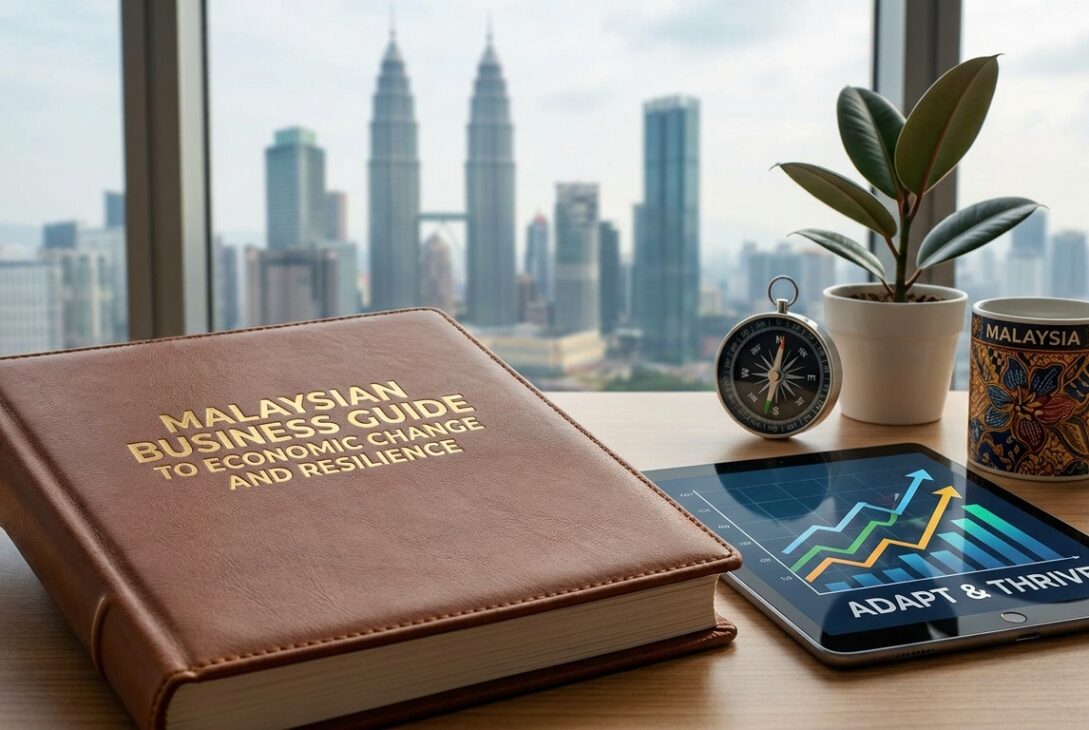
Imagine trying to navigate with a map while the ground beneath you is constantly shifting. Rivers change course, mountains rise, and old paths disappear. For Malaysian business owners today, this is not a metaphor—it is our economic reality. The landscape of global trade and domestic policy is transforming at a pace we have never seen before. Geopolitical tensions create ripples that reach our shores, new taxes redefine operational costs, and shifting tariffs can turn a profitable venture into a loss overnight. This constant state of flux can feel daunting. However, within this uncertainty lies opportunity. This article is our guide to understanding these dynamics and, more importantly, to help you steer your business not just to survive, but to prosper in this new era.
The New Rules of the Game
The days of predictable, stable markets seem like a distant memory. Today, business success is less about sticking to a rigid five-year plan and more about mastering the art of the pivot. We are seeing firsthand how policy changes, both at home and abroad, are reshaping the cost of doing business. Consider the impact of adjustments to domestic taxes or the removal of subsidies; these decisions directly affect your bottom line and pricing strategies. Similarly, trade disputes between major world powers can unexpectedly disrupt your supply chain or close off a key export market, even if Malaysia is not directly involved. These are not abstract economic theories; they are concrete challenges that land on the desks of entrepreneurs every day, demanding immediate and intelligent responses.
Agility is Your New Currency
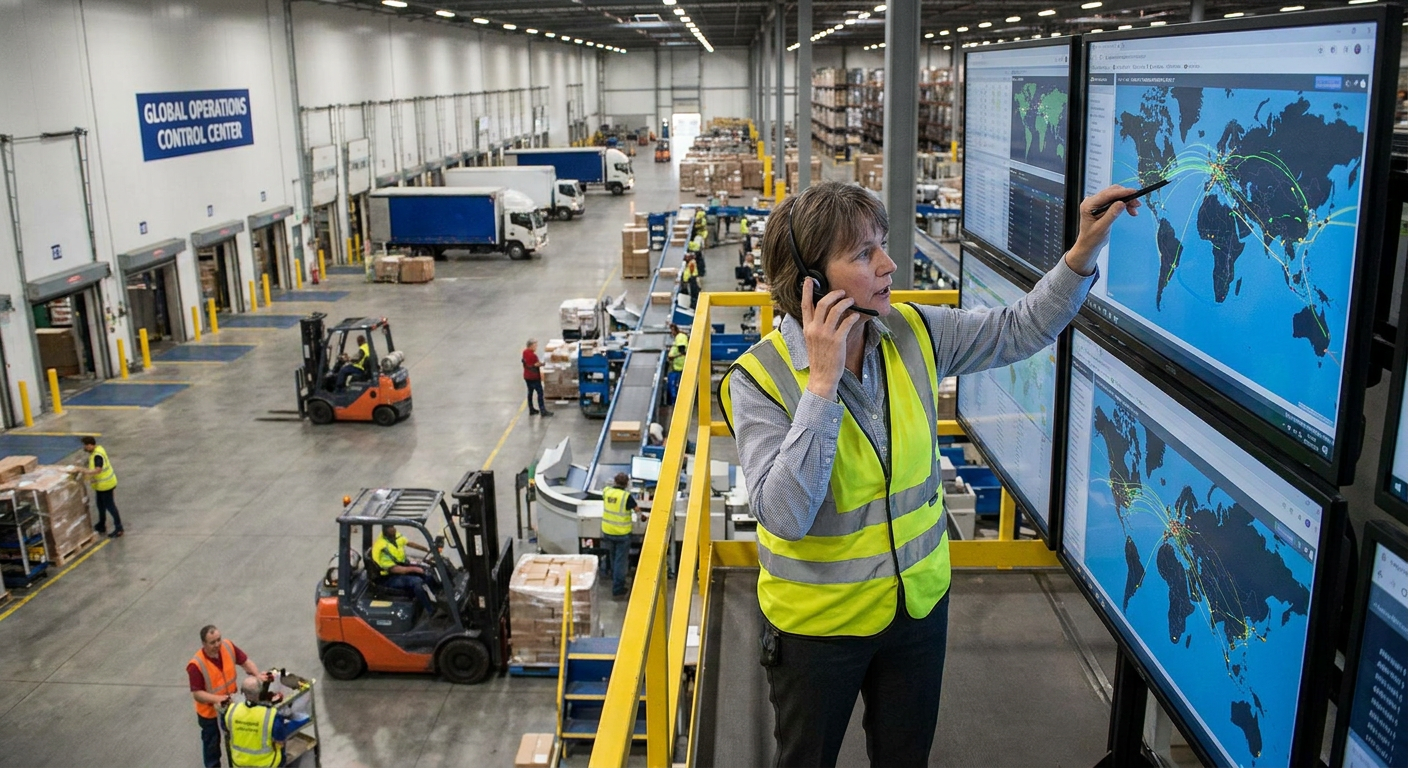
In this environment, agility becomes your company’s most valuable asset. Relying on a single supplier or one primary market is now a high-risk strategy. Smart Malaysian businesses are actively diversifying their supply chains. This could mean looking beyond traditional partners and exploring new sourcing opportunities within ASEAN or even re-shoring some operations back to Malaysia to improve stability and control. This process of navigating policy-driven economic changes requires a proactive mindset. It’s about constantly scanning the horizon, understanding what new tax incentives are available for businesses that digitise or export, and being prepared to adapt your business model. Perhaps the disruption in one market opens a door to serve another, or a shift in consumer behaviour demands a pivot from a physical storefront to a robust e-commerce platform.
Building an Unshakeable Foundation
While agility allows you to react to change, resilience is what ensures your business endures the shocks. Building a resilient enterprise involves more than just having a healthy cash flow; it is about creating a flexible and robust operational structure. We encourage business owners to engage in scenario planning. Ask the tough “what if” questions: What if our primary shipping lane is disrupted? What if our raw material costs double? What if a new regulation makes our current product obsolete? Developing contingency plans for these scenarios is a core component of modern risk management. These are the conversations that lead to truly effective business resilience strategies, creating a business that is not brittle and prone to breaking, but is strong and able to bend without snapping under pressure.

Conclusion: Finding Opportunity in Disruption
The current economic climate is undoubtedly challenging, but it is far from hopeless. For every risk created by a policy shift, a corresponding opportunity emerges for those who are prepared to see it. When traditional trade relationships are disrupted, new alliances are formed, creating openings for Malaysian SMEs to step in as reliable partners. New regulations can spur innovation, pushing companies to develop cleaner, more efficient, or technologically advanced products. Ultimately, the ability to thrive comes down to perspective. By embracing change, focusing on adaptability, and developing robust business resilience strategies, we can turn volatility into a competitive advantage. This proactive approach is the key to successfully navigating policy-driven economic changes and securing a prosperous future for your business in this dynamic new world.