
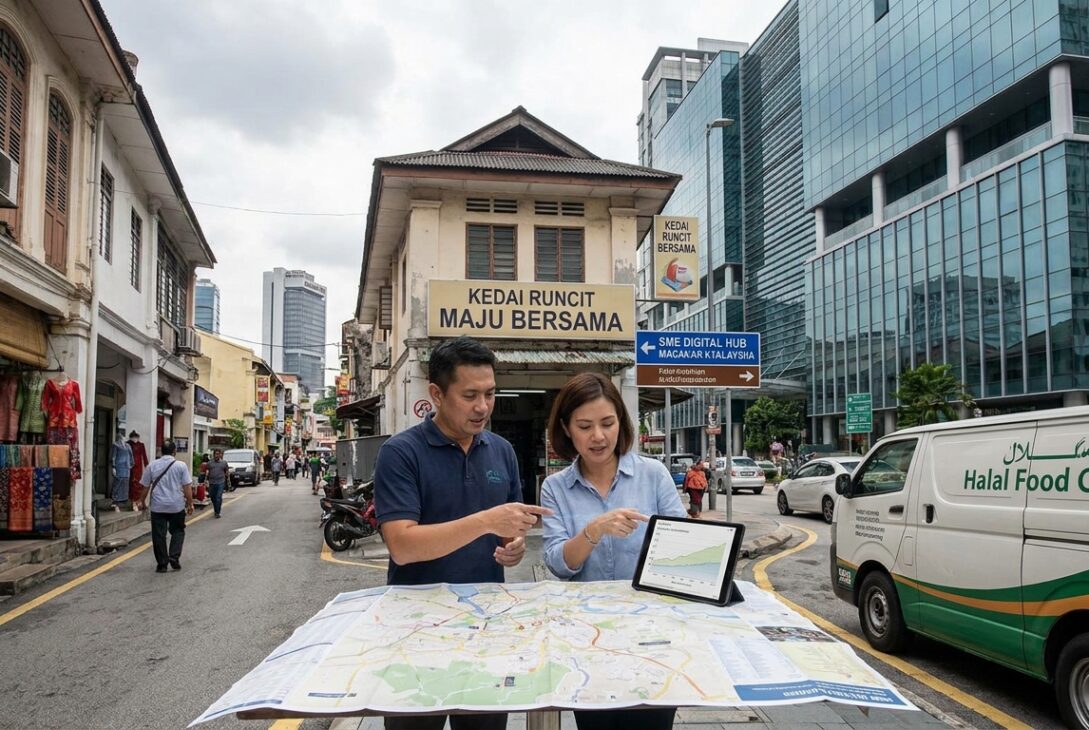
The business world is rarely still, but the currents of change are now moving faster and with more force than ever before. For many Malaysian entrepreneurs, this constant motion can feel unsettling. We see shifting trade agreements and new tariffs flash across the news, wondering how they will affect our bottom line. However, within this complex and rapidly evolving landscape, a remarkable opportunity is taking shape. It isn’t just about weathering the storm; it’s about harnessing these new winds to sail towards unprecedented growth. This period of change, driven by global trade policies and a massive generational shift in business ownership, presents a unique set of challenges and, more importantly, incredible prospects for those who are prepared to act.
A Gold Rush of a Different Kind
Imagine millions of established businesses, complete with customers, staff, and revenue, becoming available for purchase. This is not a hypothetical scenario; it’s the dawn of the “Great Wealth Transfer”. As a generation of business owners heads towards retirement, an estimated six million small and medium-sized businesses are expected to go on the market globally by 2035. For ambitious entrepreneurs in Malaysia, this represents a golden opportunity. Instead of building a business from the ground up, you have the chance to acquire a solid foundation and inject it with new energy, modern technology, and fresh ideas. This wave of transitions allows for accelerated growth, bypassing the uncertain early years that new ventures often face.

The Global Maze: Trade Policies and Your Business
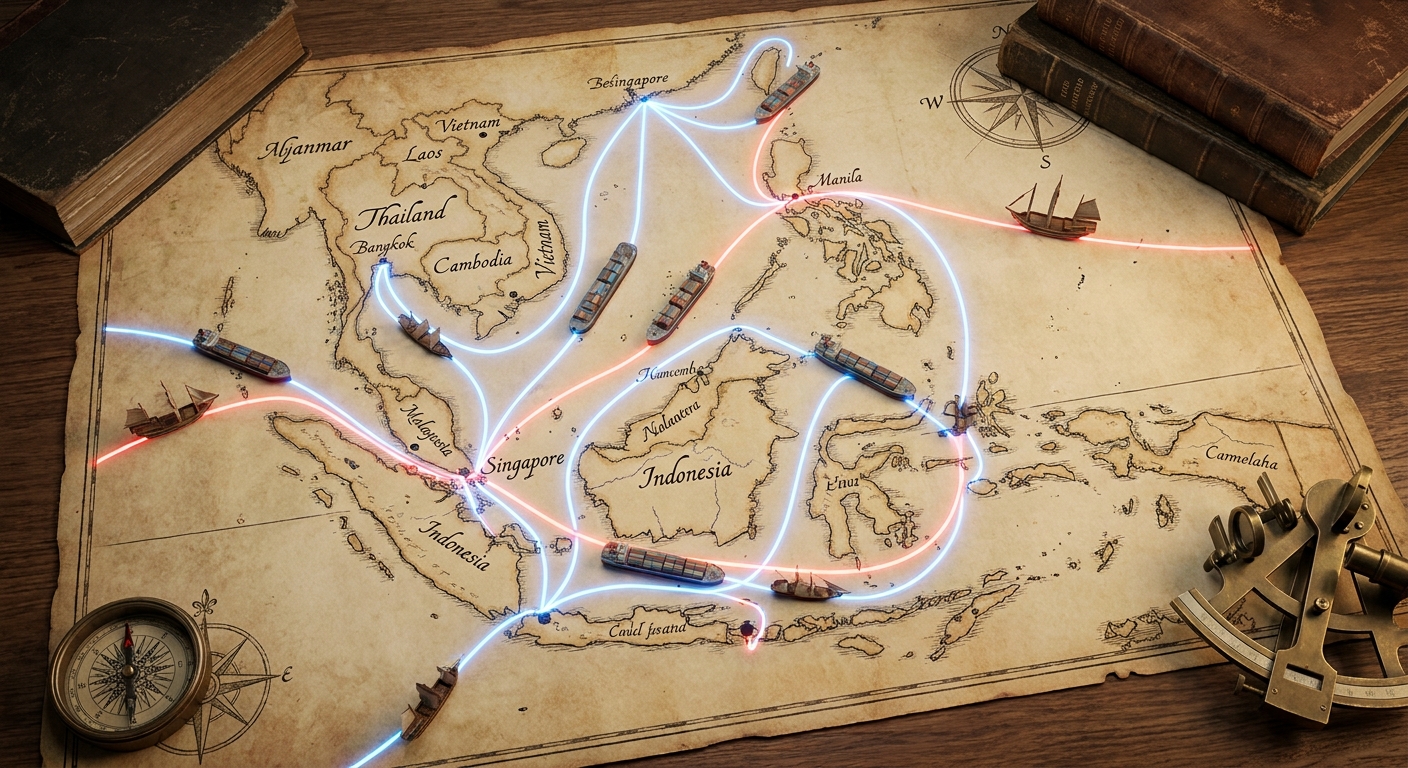
While the Great Wealth Transfer offers a path through acquisition, the world of international trade presents a different set of navigation challenges. Policies that are decided in meeting rooms thousands of miles away can have a direct impact on your supply chain, material costs, and access to customers. For instance, major trade agreements can open up new, tariff-free export markets for Malaysian products, creating exciting avenues for expansion. Conversely, trade disputes between major economic powers can disrupt supply lines and increase the cost of raw materials, forcing businesses to find new suppliers or absorb higher expenses. Staying informed is not just good practice; it’s essential for survival and growth in this interconnected economy.
Turning Challenges into Stepping Stones
The key to success lies in viewing these global shifts not as threats, but as a series of opportunities waiting to be unlocked. Does a new tariff make your usual raw materials more expensive? This could be the perfect reason to explore local suppliers, potentially reducing your carbon footprint and strengthening the national economy. Has a new trade agreement with a neighbouring country been signed? This is your signal to research that market and see if your products or services could find a new home there. Being agile is crucial. Businesses that can adapt, pivot, and see the potential in change are the ones that will thrive. The process of navigating economic transitions for Malaysian SMEs is an active one, requiring constant awareness and a willingness to adjust your strategy.
Charting Your Course: Strategic Planning for Growth
So, how do you prepare for this new era? It begins with a proactive approach to strategic planning. Instead of reacting to news as it happens, successful businesses anticipate trends. This involves diversifying your supply chain to avoid over-reliance on a single country, investing in digital tools to improve efficiency, and deeply understanding the needs of your customers. Furthermore, it’s time to seriously consider your growth ambitions. If expansion is on your horizon, developing effective small business acquisition strategies could be your most powerful tool. Acquiring a competitor, a supplier, or a complementary business can provide immediate access to new markets, skills, and technologies, allowing you to scale up much faster than through organic growth alone.
Your Next Chapter Starts Now
We are standing at a unique intersection of economic change. The “Great Wealth Transfer” presents a once-in-a-generation chance to acquire established businesses, while evolving trade policies are redrawing the map of commercial opportunity. For Malaysian business owners and entrepreneurs, this is not a time for hesitation. By staying informed, remaining agile, and adopting forward-thinking approaches like developing robust small business acquisition strategies, you can do more than just survive—you can flourish. The task of navigating economic transitions for Malaysian SMEs is challenging, but the rewards for those who chart their course wisely are immense. The question is not whether the landscape is changing, but whether you are ready to lead the way and build a stronger, more resilient business for the future.