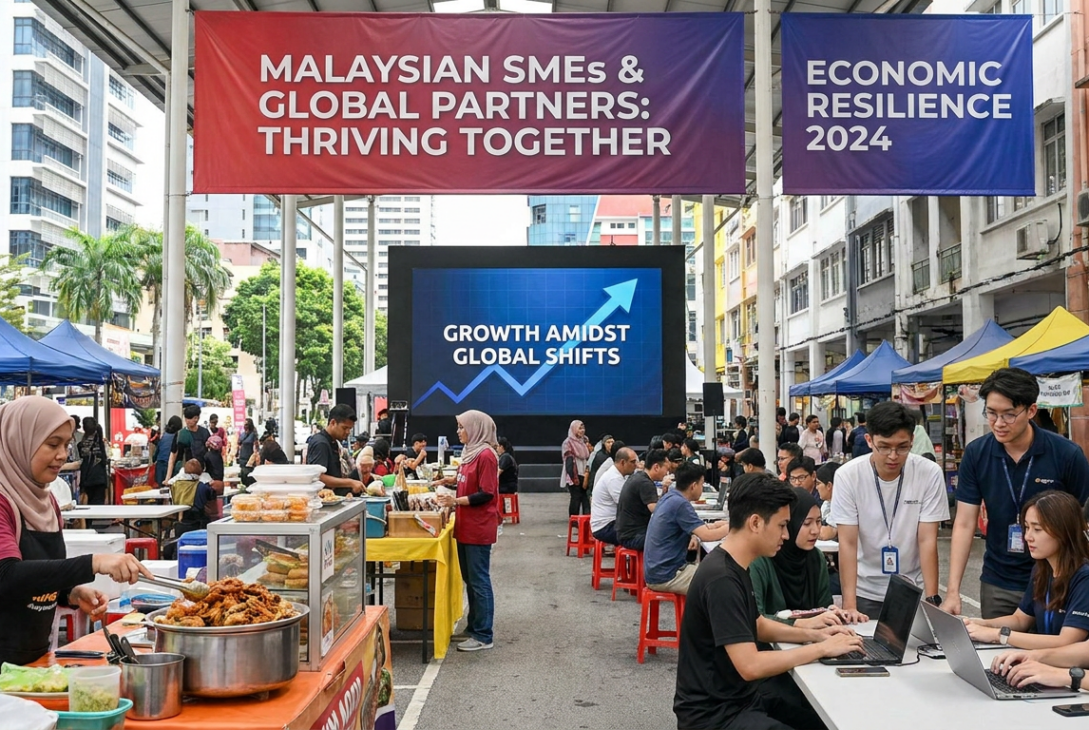
The tides of global commerce are shifting, not with the gentle pull of the moon, but with the sudden force of political decisions and economic realignments. For business owners, navigating these turbulent waters can feel like steering a ship through a storm without a compass. Yet, it is in these very moments of disruption that the most skilled navigators find new routes to prosperity. The landscape shaped by international trade policies and economic transitions is not just a field of challenges; it is also a fertile ground for opportunity. In this article, we will explore how Malaysian entrepreneurs can not only weather this storm but also harness its winds to sail towards greater success by building adaptable, resilient, and forward-thinking businesses.
The New Rules of Global Trade
The era of predictable, steadily globalising trade is on pause. We are now in a period of significant recalibration, largely influenced by the trade dynamics between major economies like the United States and China. These are not distant events happening on a news ticker; they have direct and tangible consequences for businesses in Malaysia. A sudden tariff imposed miles away can increase the cost of your raw materials overnight. A new trade agreement can suddenly make a neighbouring country a more attractive manufacturing hub, creating new competition. The key takeaway for entrepreneurs here is that the ‘business as usual’ mindset is no longer viable. Success now depends on vigilance and the ability to adapt to a constantly changing set of rules.
Why SMEs Feel the Pinch the Most
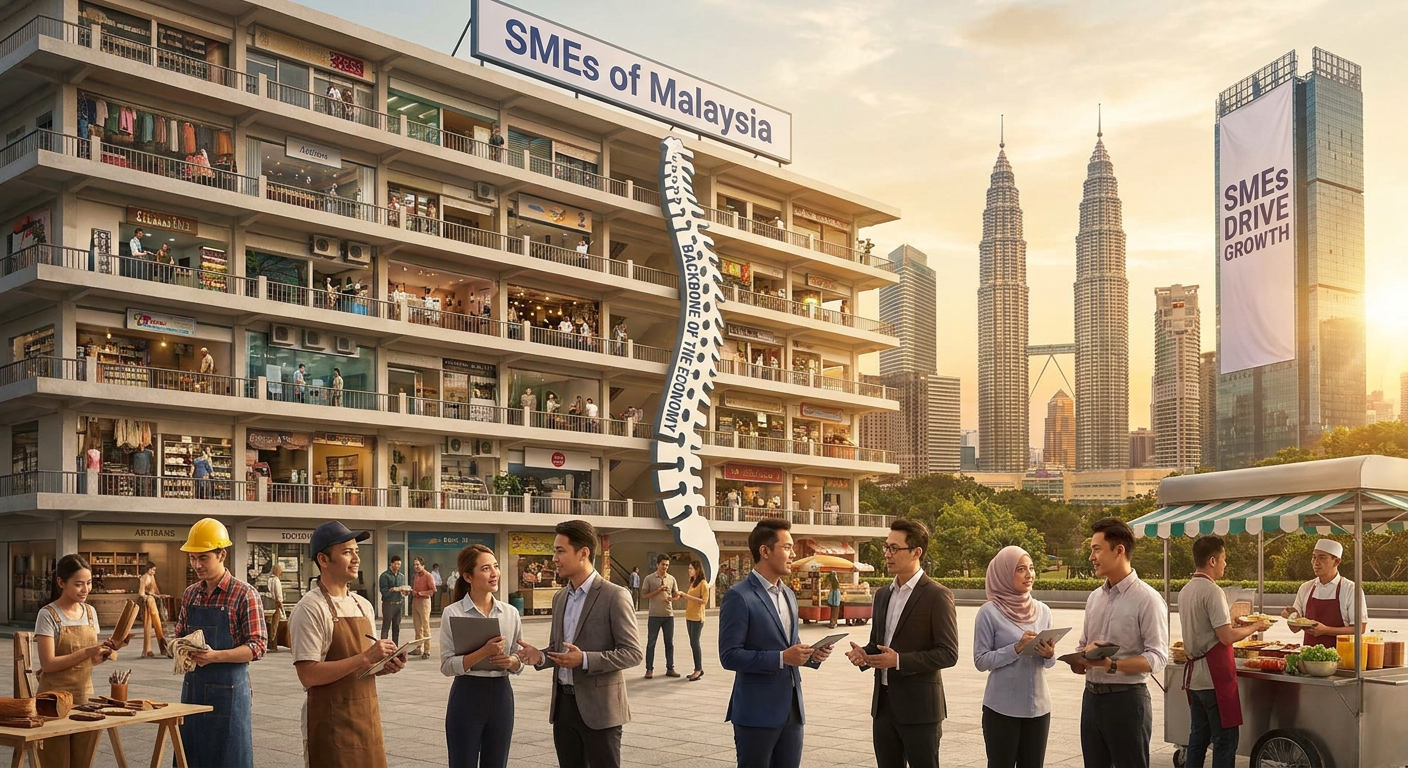
While large multinational corporations have entire departments dedicated to navigating geopolitical risks, small and medium enterprises (SMEs) often feel the impact most acutely. Entrepreneurs operate on tighter margins and have less leverage with suppliers. A sudden spike in shipping costs or import duties cannot always be absorbed or easily passed on to customers without risking a loss of business. This vulnerability extends to investment strategies. How can you confidently invest in new machinery or expand your operations when the cost of essential imported components could change dramatically with a single policy announcement? It creates a climate of uncertainty that can stifle growth and makes sound financial planning more complex than ever before.
The Malaysian Perspective: Adapting to Survive and Thrive
For businesses operating in Malaysia, the response to these global shifts must be both defensive and offensive. Defensively, it means constant monitoring. Paying close attention to announcements from the Ministry of Investment, Trade and Industry (MITI) and keeping an eye on international news is crucial. However, a purely reactive stance is not enough. Proactive adaptation is key. This is where understanding Economic Policy Changes in Malaysia becomes a strategic advantage. Government incentives for digitalisation, sustainable practices, or shifting to high-value manufacturing are not just programmes; they are signposts pointing towards safer, more profitable harbours. Developing flexible financial strategies, such as looking beyond traditional bank loans to explore venture capital or government grants, can provide the financial cushion needed to pivot when necessary.

Finding Opportunity in Uncertainty
Every challenge carries the seed of an opportunity. As some businesses struggle to adapt to the new economic reality, it may create openings for others. Strategic business acquisitions are a powerful, though often overlooked, growth strategy. A competitor struggling with supply chain issues might have a valuable customer list or skilled workforce that could be acquired at a reasonable price. This period of transition also catalyses wealth transfer, presenting chances for a new generation of entrepreneurs to take the helm of established businesses. The key is to shift your mindset from pure survival to strategic opportunism. Building **Resilient Business Models for SMEs** involves not just protecting what you have, but actively looking for ways to grow stronger through the disruption.
Building a Business That Lasts
So, what does a durable business look like in this new era? It starts with building resilience directly into your operations. A prime example is the supply chain. Relying on a single supplier or a single country for critical components is a high-risk strategy. A resilient supply chain is diversified. It might involve having a primary supplier in Vietnam, a secondary one in Thailand, and exploring options for local sourcing in Malaysia. This creates a buffer against disruption in any one region. Building **Resilient Business Models for SMEs** is therefore an exercise in proactive risk management. It’s about asking ‘what if’ and having answers ready. Aligning these models with ongoing Economic Policy Changes in Malaysia, such as incentives for automation, can further strengthen a company’s ability to withstand shocks and seize government-supported growth paths.
To conclude, the global business environment is undeniably more complex and unpredictable than it was a decade ago. For Malaysian entrepreneurs, the challenges posed by shifting trade policies and economic transitions are real. However, passivity is the greatest risk of all. The path forward lies in proactive adaptation and strategic foresight. By closely monitoring policy changes, maintaining financial flexibility, exploring opportunities for acquisition, and consciously building resilience into every facet of the business—especially the supply chain—SMEs can do more than just survive. They can position themselves to thrive, turning today’s uncertainty into tomorrow’s competitive advantage. The businesses that embrace this new reality will be the ones defining the future of commerce in Malaysia and beyond.