
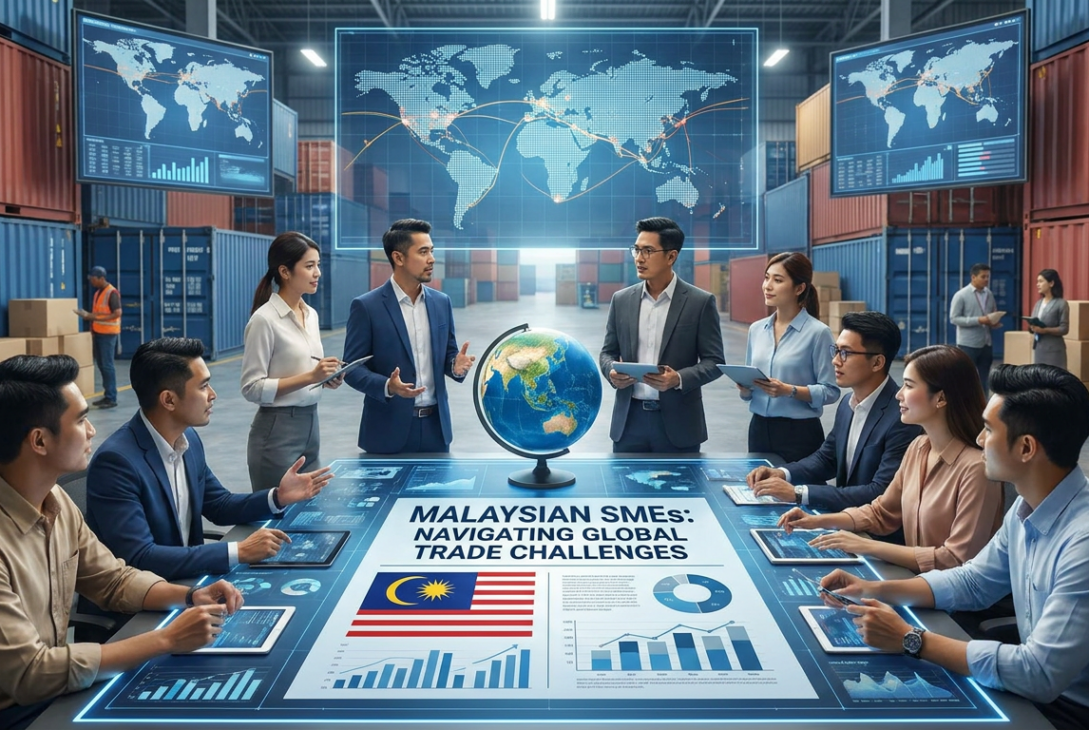
A storm brewing thousands of miles away can still send waves crashing onto our shores. In the world of business, these storms are trade disputes and shifting government policies. While headlines focus on superpowers like the United States and China, the real-world impact is felt right here, in the warehouses and offices of Malaysian entrepreneurs. For a small or medium enterprise (SME) in Kuala Lumpur or Penang, a tariff decision made in another continent can mean the difference between profit and loss. These are not distant, abstract problems; they are immediate business realities. In this article, we’ll explore the hidden costs of these global trade wars and outline practical, clear strategies to help your business not just weather the storm, but sail through it.
The Shifting Tides of Global Trade
For decades, businesses grew used to a relatively stable global trade environment. Goods and materials flowed across borders with predictable costs. Today, that landscape has changed. We are now seeing a rise in protectionism, where countries use tariffs—which are essentially taxes on imported goods—to protect their local industries and gain a competitive edge. Think of it as nations raising financial walls around their economies. When a major economy imposes a tariff on goods from another, it doesn’t just affect those two countries. It creates a ripple effect across the entire global supply chain, causing uncertainty and suddenly making long-standing business relationships more expensive and complicated.
The Squeeze on Malaysian Businesses
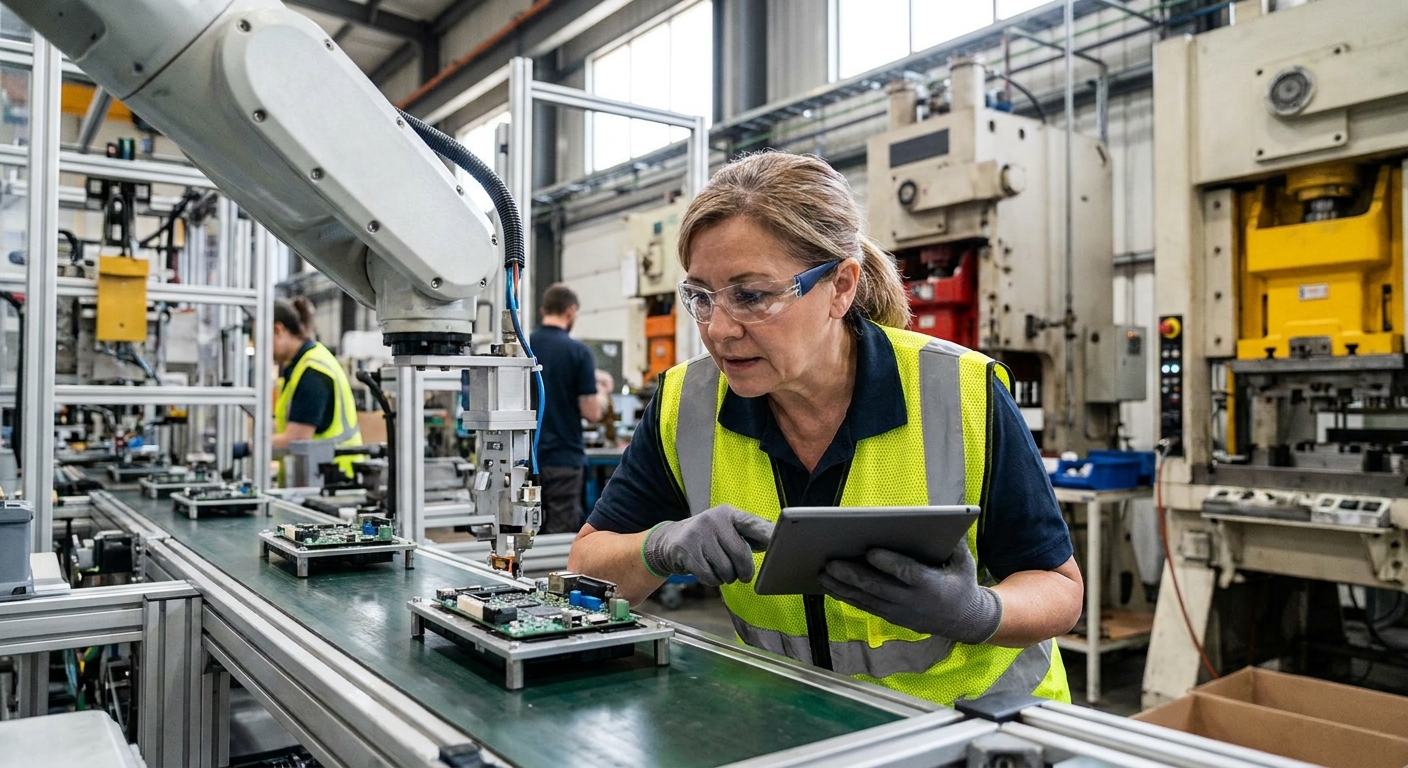
So, how does this global tug-of-war affect a local SME in Malaysia? The impact is direct and often immediate. The most obvious effect is on cost. If your business imports raw materials or components that are now subject to new tariffs, your production costs will rise. You are then faced with a difficult choice: absorb the cost and hurt your profit margins, or pass it on to your customers and risk becoming less competitive. This financial pressure is one of the most significant Malaysian SME trade challenges. Beyond costs, supply chains that were once reliable can become chaotic. A supplier you have worked with for years might suddenly face delays or become too expensive, forcing you to scramble for alternatives, which can disrupt your entire operation.
Building Resilience: Your First Line of Defence
Facing this uncertainty, the first and most powerful strategy is to be informed. You don’t need to be an economist, but you do need to understand the forces shaping your market. This is the foundation of navigating global trade policies for small businesses. Start by following reputable business news sources and paying attention to trade agreements that affect your specific industry. Organisations like SME Corp Malaysia and various chambers of commerce often provide valuable updates and resources. The next practical step is to thoroughly map your supply chain. Do you know exactly where every component comes from? Are you dependent on a single supplier in a single country for a critical part? Identifying these vulnerabilities is the crucial first step toward building a more resilient business.
Diversify and Adapt: The SME Survival Kit
Once you know your vulnerabilities, the next step is to act. The old saying, “don’t put all your eggs in one basket,” has never been more relevant. We strongly encourage businesses to explore supplier diversification. Can you find alternative suppliers, perhaps closer to home within the ASEAN region? Having multiple sources for essential materials protects you if one channel becomes too expensive or unreliable. Similarly, consider diversifying your customer markets. If your primary export market is caught in a trade dispute, having a foothold in other regions or a stronger focus on the domestic Malaysian market can provide a crucial buffer. This proactive approach to managing Malaysian SME trade challenges transforms your business from being reactive to resilient.
Looking Ahead in a Changing World
It is important for us to see these trade uncertainties not as a temporary crisis, but as the new normal for the foreseeable future. The era of perfectly predictable, stable global commerce has given way to a more dynamic and sometimes volatile environment. In this climate, the businesses that succeed will be the ones that are agile, informed, and prepared. Building flexibility into your business model—whether through adaptable production methods, robust financial planning, or clear contingency plans—is no longer a “nice-to-have” but a core requirement for long-term survival and growth. This proactive mindset is key to successfully navigating global trade policies for small businesses.
In conclusion, the waves of global trade wars are indeed reaching Malaysian shores, bringing with them rising costs and supply chain disruptions. However, this does not have to be a story of struggle. For the informed and prepared SME, this is an opportunity to build a stronger, more adaptable business. By staying informed about policy changes, meticulously mapping and diversifying your supply chain, and exploring new markets, you can mitigate the risks effectively. At its core, this is about taking control of what you can in an uncertain world. As a community of Malaysian entrepreneurs, embracing this proactive and strategic mindset will allow us not only to navigate the current turbulence but to emerge more resilient and ready for the opportunities that lie ahead.