
Navigating the global business world can often feel like steering a small boat through a vast, unpredictable ocean. One moment the waters are calm, and the next, storms driven by far-off events are rocking your vessel. For business owners in Malaysia, these storms—volatile oil prices, international trade disputes, and rising costs—are being felt right at our shores. These are not distant problems; they are very real Malaysian SMB challenges that affect everything from daily operations to long-term growth. In this article, we’ll explore how your business can not only survive these turbulent times but also find the right currents to ride towards new opportunities. Let’s dive into practical steps for managing costs, securing your supply chain, and using available support to build a stronger, more adaptable business.
Riding the Waves of Oil Price Swings
For many Malaysian businesses, the global price of oil is more than just a headline; it is a direct line to the bottom line. When prices climb, the cost of logistics and transportation immediately follows suit. Suddenly, delivering goods from Johor Bahru to Penang becomes a more expensive affair. But the impact goes beyond fuel. Oil is a fundamental raw material for countless products, especially plastics and packaging. A price shock in the Middle East can translate to higher material costs for a food packaging company in Selangor. To counter this, businesses should focus on optimisation. This could mean using software to plan the most fuel-efficient delivery routes or exploring partnerships with local logistics providers to share cargo space and reduce costs. It is also a good time to review your packaging and see if lighter, more sustainable, or locally sourced materials could be an option.
Untangling the Supply Chain Knot
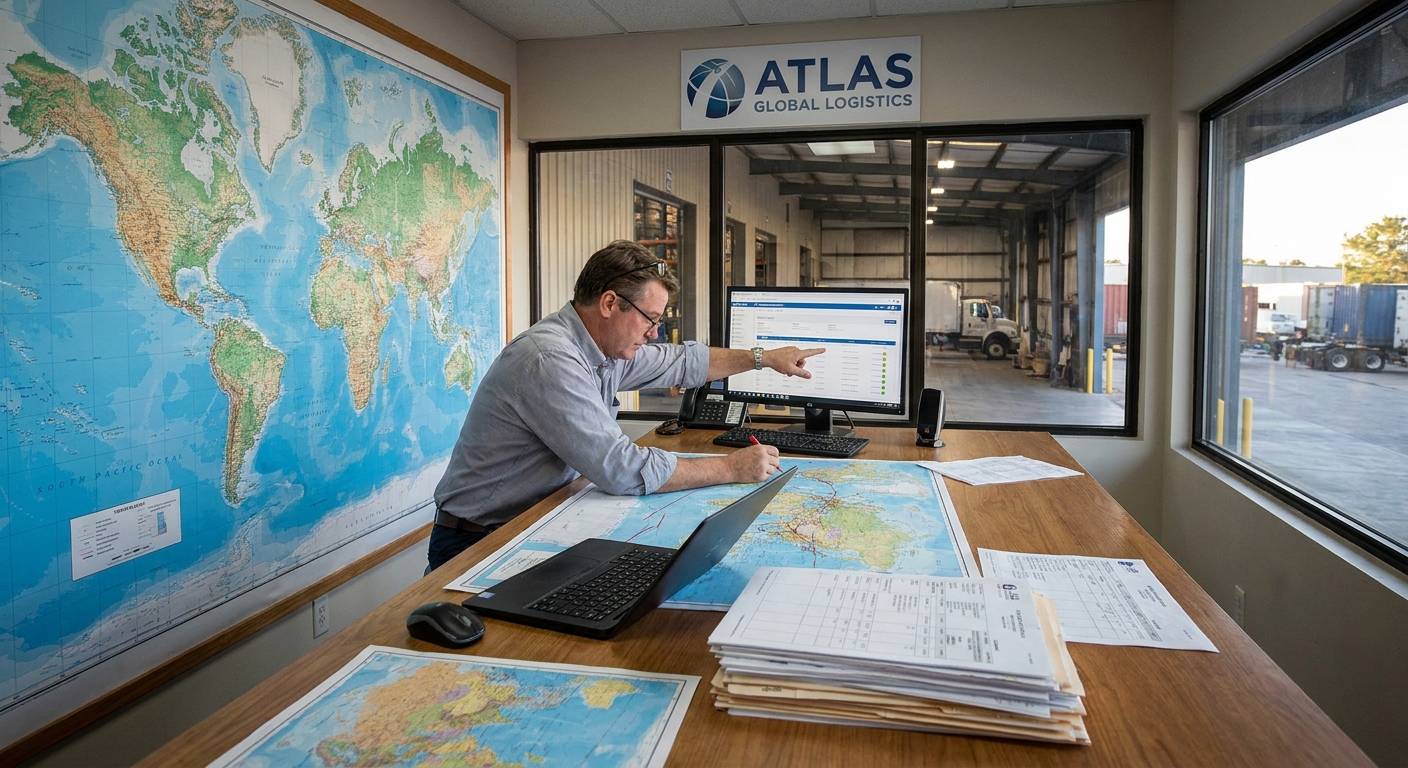
The days of relying on a single, low-cost supplier from halfway across the world are becoming risky. Trade wars and geopolitical tensions can cause sudden disruptions, leaving you without essential components or raw materials. We have seen how tariffs imposed between major economies like the United States and China can create a ripple effect that hits businesses here in Malaysia. The key to navigating this is diversification. Instead of putting all your eggs in one basket, start building relationships with multiple suppliers. Look closer to home—the ASEAN region is a powerhouse of manufacturing and resources. Sourcing from neighbouring countries like Thailand, Vietnam, or Indonesia can reduce shipping times, lower logistical risks, and insulate your business from disputes happening further afield. Building a flexible supply chain is no longer a luxury; it is a core part of modern business strategy.
Tackling Rising Costs Head-On
Affordability is a major concern for everyone in Malaysia right now, and it creates a dual challenge for SMBs. On one hand, your own operational costs are rising due to inflation. On the other, your customers have less disposable income, making them more price-sensitive. Simply passing on all your increased costs to the consumer might drive them away. This is where operational efficiency becomes crucial. It is time to conduct a thorough review of your processes. Are there manual tasks that could be automated with simple, affordable software? Could you adopt digital tools for inventory management to reduce waste? Improving energy efficiency in your shop or office can also lead to significant savings over time. By trimming the fat from your operations, you can absorb some of the rising costs without alienating your customer base.

Finding Support to Strengthen Your Business
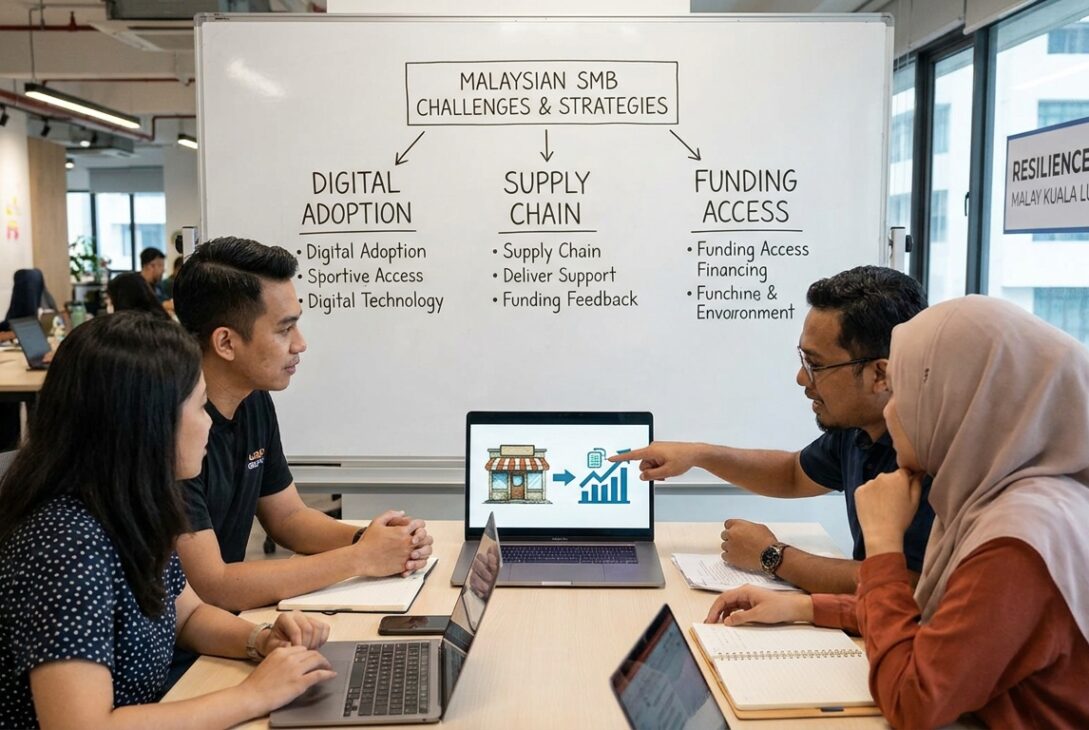
You do not have to face these headwinds alone. The Malaysian government and its various agencies recognise the pressures on SMBs and have rolled out several initiatives designed to help. Organisations like SME Corp Malaysia and the Malaysia External Trade Development Corporation (MATRADE) offer grants, training programmes, and financial assistance. These programmes are specifically designed to boost business capabilities, whether it is for digital transformation, breaking into export markets, or adopting sustainable practices. Taking the time to research and apply for these initiatives can provide a much-needed boost. These are practical strategies for Malaysian SMB resilience, giving you the resources to invest in technology, train your staff, and make your business more robust against external shocks.
The global economic climate will likely remain complex and challenging for the foreseeable future. The key takeaway for Malaysian business owners is that waiting for the storm to pass is not an option. Instead, the focus must be on building a business that is agile, efficient, and resilient. This involves proactively managing costs tied to volatile commodities like oil, diversifying supply chains to reduce dependency on any single region, and embracing operational efficiencies to handle rising costs. We’ve explored how these are not just defensive moves but are proactive strategies for Malaysian SMB resilience. By staying informed, looking for opportunities within our ASEAN neighbourhood, and leveraging the support available through government bodies, you can turn today’s Malaysian SMB challenges into the foundation for tomorrow’s success.