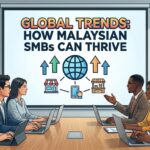
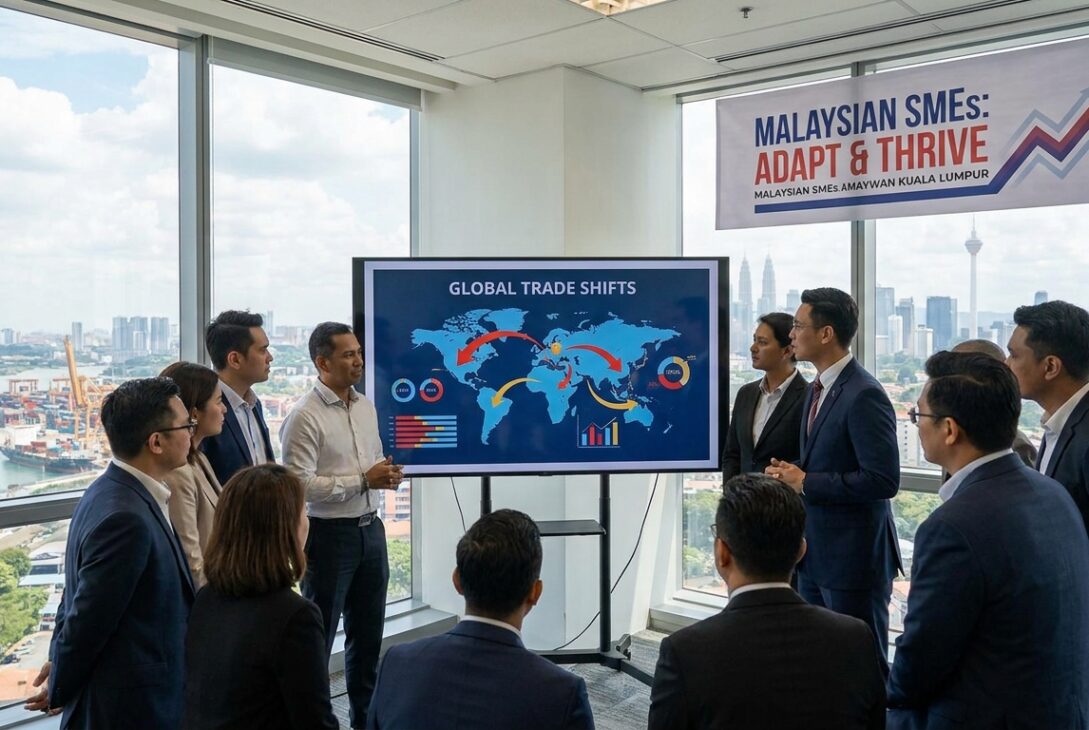
For every Malaysian business owner, the global market map is being redrawn before our very eyes. The old certainties of trade and commerce are fading, replaced by a landscape shaped by rapid economic shifts and evolving policies. Here in Malaysia, our small and medium enterprises (SMEs) feel these tremors most acutely. Once distant geopolitical headlines now have a direct impact on the cost of raw materials in Penang and the demand for finished goods in Johor. However, this uncertainty also brings opportunity for those who are prepared. In this article, we will explore practical strategies for not just surviving but thriving, focusing on building resilience, diversifying your partners, staying informed, and cleverly using technology to secure your place in the business world of tomorrow.
The New Hurdles Facing Malaysian SMEs
In today’s interconnected world, an economic policy shift in Europe or a new tariff agreement in the Americas can create ripples that wash up on Malaysian shores within weeks. For our SMEs, these are no longer abstract concepts. They manifest as sudden price hikes from a long-term supplier, unexpected shipping delays that disrupt production schedules, or the discovery that a key export market has become less accessible. The ongoing geopolitical tensions between major economic powers mean that supply chains, which were once optimised purely for cost, are now being stress-tested for reliability. This new reality demands a shift in mindset from simply being efficient to becoming impressively resilient.
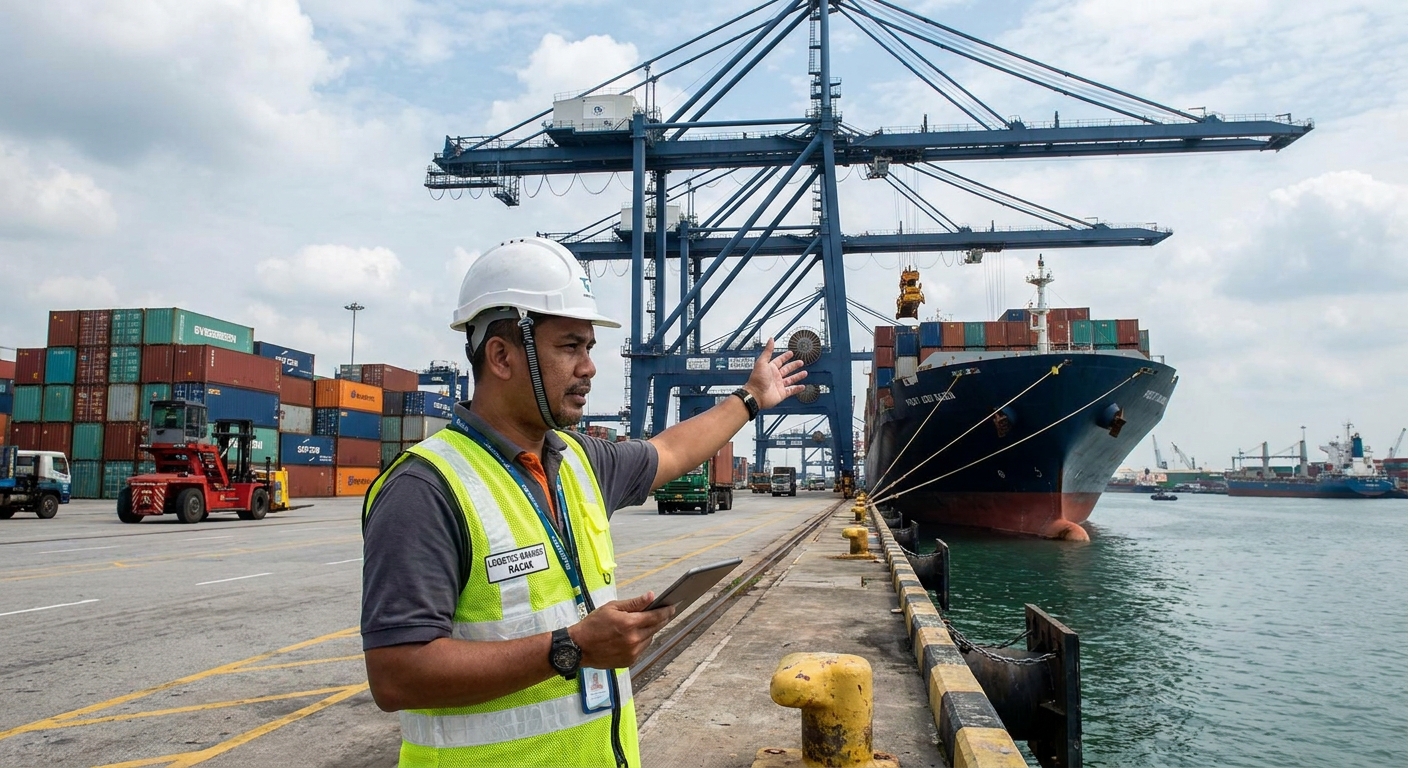
Building a Shock-Proof Supply Chain
Relying on a single supplier or a single shipping route, however cost-effective it seemed, is now a high-risk strategy. The key to navigating this new era is building a supply chain that can absorb shocks. This means actively seeking and vetting alternative suppliers, even if they are just for backup. Consider having one primary supplier and a secondary one in a different country or region. True **supply chain optimisation for SMEs** today is not just about cutting costs; it’s about building in redundancy. We encourage businesses to map out their entire supply chain, from the raw material source to the final customer, to identify potential weak points before they break.
Looking Beyond the Usual Sourcing Strategies
The challenges in global shipping and trade have led many smart businesses to look closer to home. Exploring alternative sourcing strategies is now essential. Is there a supplier within Malaysia or the wider ASEAN region that can provide the same quality components? Sourcing regionally can significantly shorten delivery times, reduce shipping costs, and insulate your business from conflicts happening halfway across the world. Agreements like the Regional Comprehensive Economic Partnership (RCEP) are designed to make trade within our region easier. By diversifying your sourcing options and including local or regional partners, you not only strengthen your own business but also contribute to the robustness of the regional economy.
Staying Ahead of the Information Curve
In a fast-changing environment, information is your most valuable asset. Staying informed about potential policy changes is no longer a task just for large corporations. As a business owner, you need to have your finger on the pulse of **global trade trends**. This doesn’t mean you need to become an economist. You can subscribe to newsletters from the Ministry of Investment, Trade and Industry (MITI), join local business associations that provide regular updates, and follow reputable financial news sources. Understanding the direction of trade policies allows you to anticipate challenges and pivot your strategy proactively rather than reacting to a crisis after it has already impacted your operations.
Embracing Technology as Your Co-Pilot
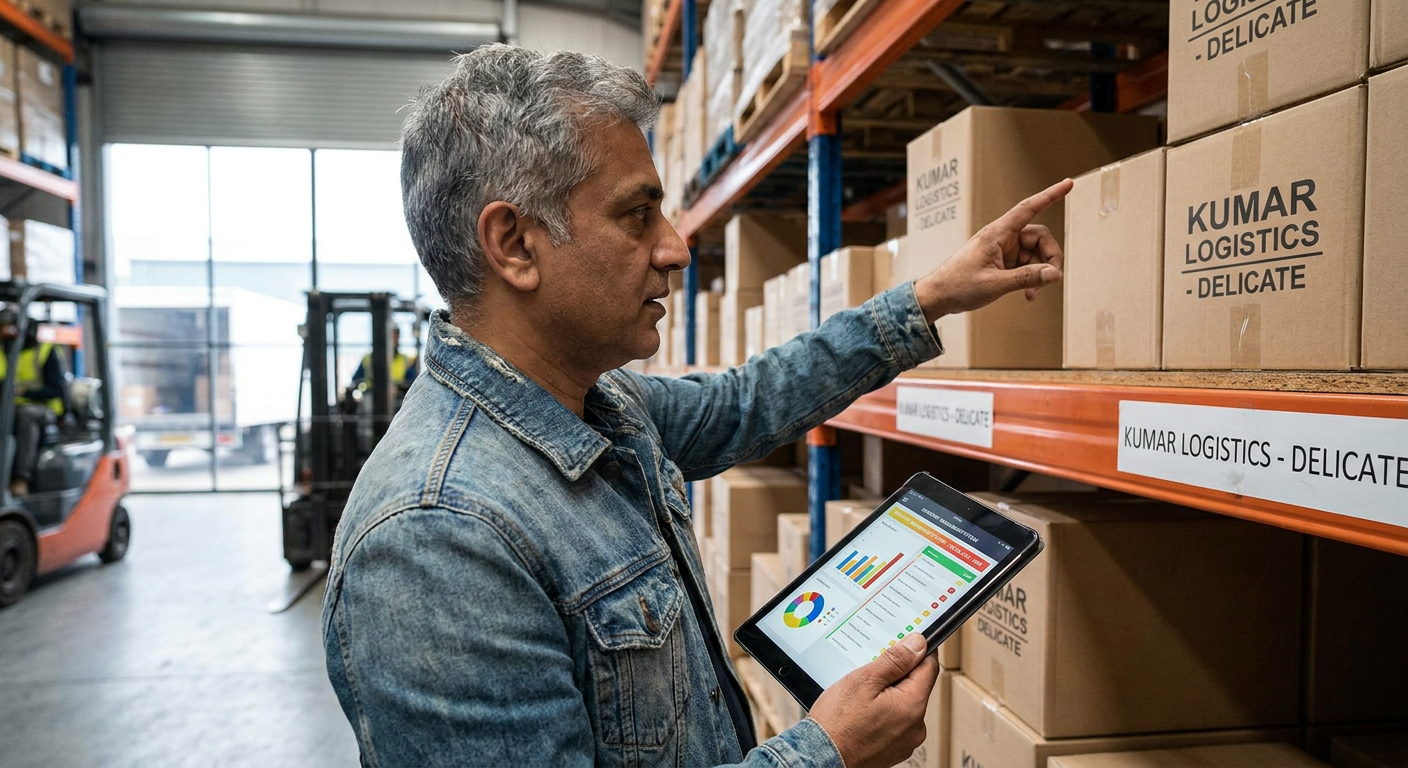
Technology is a powerful equaliser, enabling SMEs to compete with much larger players. Embracing technological innovation is crucial for maintaining your competitive advantage. This does not have to mean a massive, expensive overhaul. Simple, affordable software can help you manage inventory more effectively, preventing overstocking or stockouts. E-commerce platforms can open up new markets for your products, both locally and internationally. Digital communication tools can make collaborating with your newly diversified suppliers seamless. Using technology is a core component of effective **supply chain optimisation for SMEs**, allowing you to have a clear, real-time view of your entire operation and make smarter, faster decisions.
Conclusion: The Fine Art of Flexibility
The shifting landscape of global business presents clear challenges, but for Malaysian SMEs, it is also a call to action. The era of rigid, long-term plans is giving way to a new age where flexibility and adaptability are the hallmarks of a successful enterprise. By building a resilient supply chain, exploring diverse sourcing options, staying well-informed about changing policies, and embracing practical technology, you can position your business for sustainable growth. We believe the future belongs to those who can pivot quickly and confidently. Understanding the underlying **global trade trends** is the first step, but taking decisive action to make your business more agile is what will ultimately ensure your success in this complex and exciting new world.