
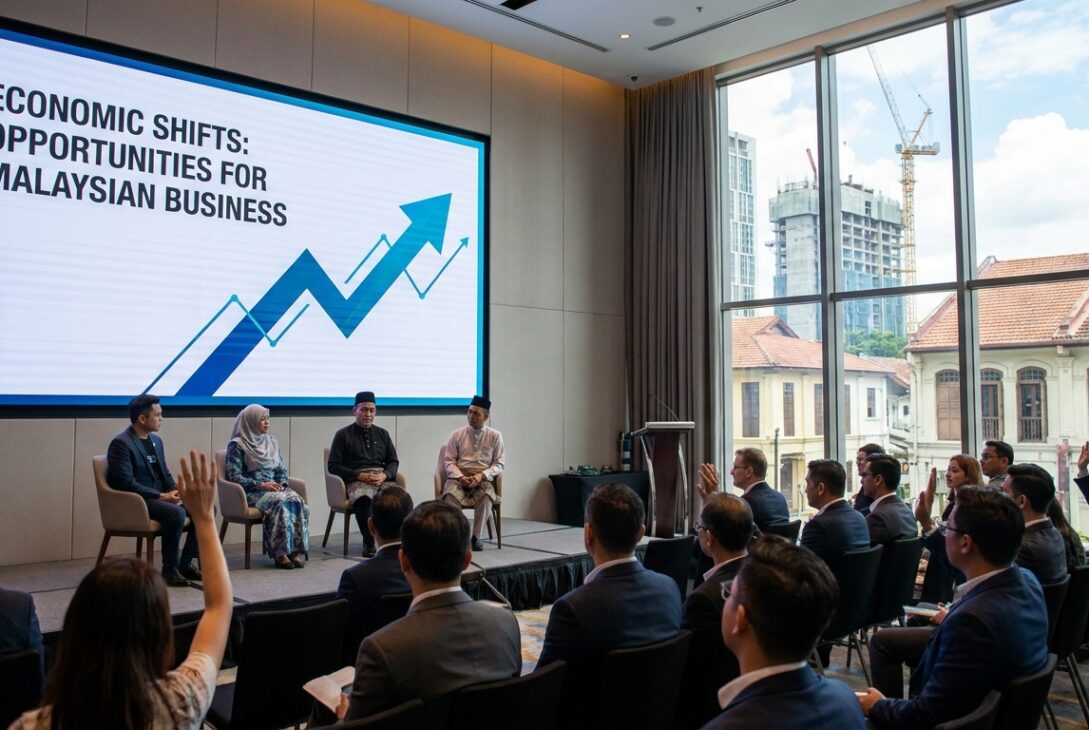
Have you ever felt the ground subtly shift beneath your feet? It’s a small tremor, almost unnoticeable, but it signals that much larger movements are happening deep below. Right now, the entire global business landscape is experiencing a similar shift. Driven by new economic policies, trade agreements, and tariff adjustments from major world powers, the rules of the game are changing. For us here in Malaysia, from the bustling streets of Kuala Lumpur to the industrial parks of Penang, this isn’t just distant news. It’s a direct current affecting our supply chains, our customer bases, and our bottom lines. But within these tremors of disruption lie incredible opportunities for those who are prepared to navigate the new terrain.
The Global Ripple Effect on Our Shores
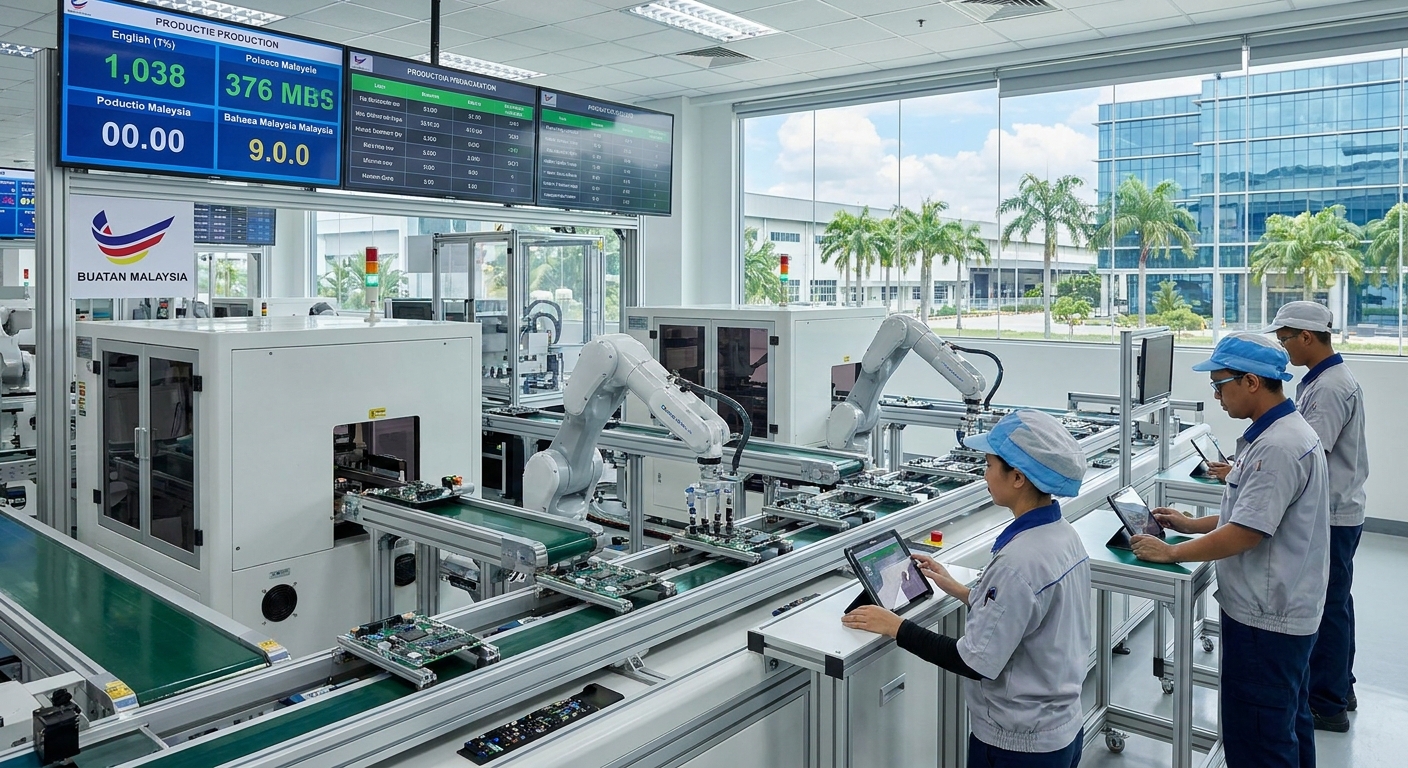
It’s easy to think of economic policy as something that happens in faraway government buildings. However, a decision made in Washington or Brussels can create waves that wash up directly on Malaysian shores. For example, ongoing trade tensions between major economic blocs have forced multinational companies to rethink their supply chains. Many are now actively looking for stable, skilled, and strategic manufacturing bases outside of previously favoured countries. This “trade diversion” places Southeast Asia, and specifically Malaysia, in a prime position. Local manufacturers in electronics, furniture, and medical devices are seeing a real increase in enquiries. This isn’t a temporary blip; it’s a fundamental reorganisation of global trade, and we are right in the middle of it.
Navigating the New Challenges and Opportunities
Of course, this transformation isn’t without its hurdles. Uncertainty can make business forecasting difficult. New tariffs can suddenly increase the cost of raw materials, squeezing profit margins for small and medium-sized enterprises (SMEs) that operate on tighter budgets. Navigating this requires a shift in mindset—from simply reacting to problems to proactively seeking the silver lining. The key is to understand the full picture of the economic policy changes impact on business. For every supply chain that is disrupted, a new one is being created. For every market that becomes harder to access, another one may be opening up with fewer competitors. The businesses that thrive will be those that can adapt quickly to these changing currents.
The “Great Wealth Transfer” and Business Strategy
Another fascinating trend emerging from this economic shift is what some are calling the “Great Wealth Transfer”. As a generation of business owners, both locally and abroad, reaches retirement age, we are seeing a huge number of businesses come up for sale. This presents a golden opportunity for ambitious Malaysian entrepreneurs to acquire established companies, often complete with skilled workforces and loyal customer bases. This isn’t just about buying a competitor. It’s a strategic move to gain market share, acquire new technology, or even enter a completely new sector. Combining this with evolving trade dynamics allows smart companies to build stronger, more diversified, and more resilient enterprises.

Strategic Moves for Malaysian SMEs
So, what practical steps can we take? It starts with being informed. We must actively monitor international trade developments and potential tariff changes that could affect our industries. Following announcements from bodies like the Ministry of Investment, Trade and Industry (MITI) is a good starting point. Secondly, now is the time to build resilience into our operations. Are we too reliant on a single supplier or a single market? Diversification is one of the most powerful adaptive business strategies in Malaysia. We encourage businesses to explore emerging acquisition opportunities, especially in key sectors like logistics, advanced manufacturing, and professional services, where consolidation can lead to greater efficiency and market strength.
Building a Resilient and Agile Business
Ultimately, long-term success in this new era will be defined by agility. The ability to pivot, adapt, and even embrace disruption is no longer a bonus; it’s a core requirement. Understanding the full economic policy changes impact on business means seeing it not as a threat, but as a constant source of new possibilities. This involves investing in employee skills, adopting flexible technologies, and fostering a company culture that is curious and forward-thinking. By building our businesses to be nimble, we are not just preparing to survive economic shifts; we are positioning ourselves to lead the way. These adaptive business strategies in Malaysia are what will separate the businesses that merely get by from those that truly grow.
In conclusion, the economic landscape is indeed in a state of flux. The shifts driven by global policies bring a mix of clear challenges, from cost pressures to market uncertainty. However, for the discerning Malaysian entrepreneur and SME, they also bring a wealth of opportunities that were previously out of reach. From benefiting from new supply chain routes to strategic acquisitions made possible by the “Great Wealth Transfer,” the potential for growth is significant. By remaining informed, focusing on diversification, and building a truly agile organisation, we can do more than just weather the storm. We can harness its energy to propel our businesses forward, turning potential disruption into our greatest strategic advantage for lasting success.