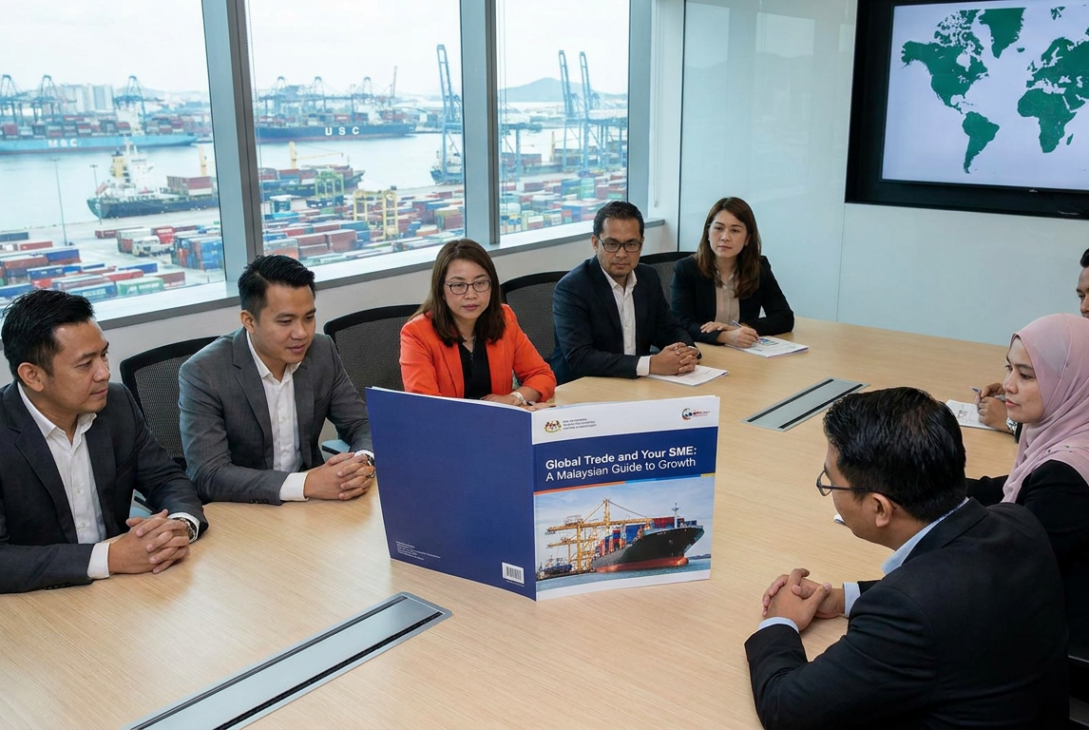
Have you ever felt like the world of business is spinning faster than ever before? One moment, a trade agreement is announced on the news, and the next, the cost of your supplies has changed. These global shifts are not just background noise for large corporations; they are the new reality for every small and medium-sized enterprise (SME) here in Malaysia. Understanding these currents is no longer optional—it is essential for survival and growth. In this article, we will explore how international trade policies and economic transitions are creating a new playbook for business. We will look at the direct impact on local businesses, from navigating tariffs to uncovering hidden opportunities, and discuss how you can build a more resilient and forward-thinking company in response.
The New Rhythm of Global Business
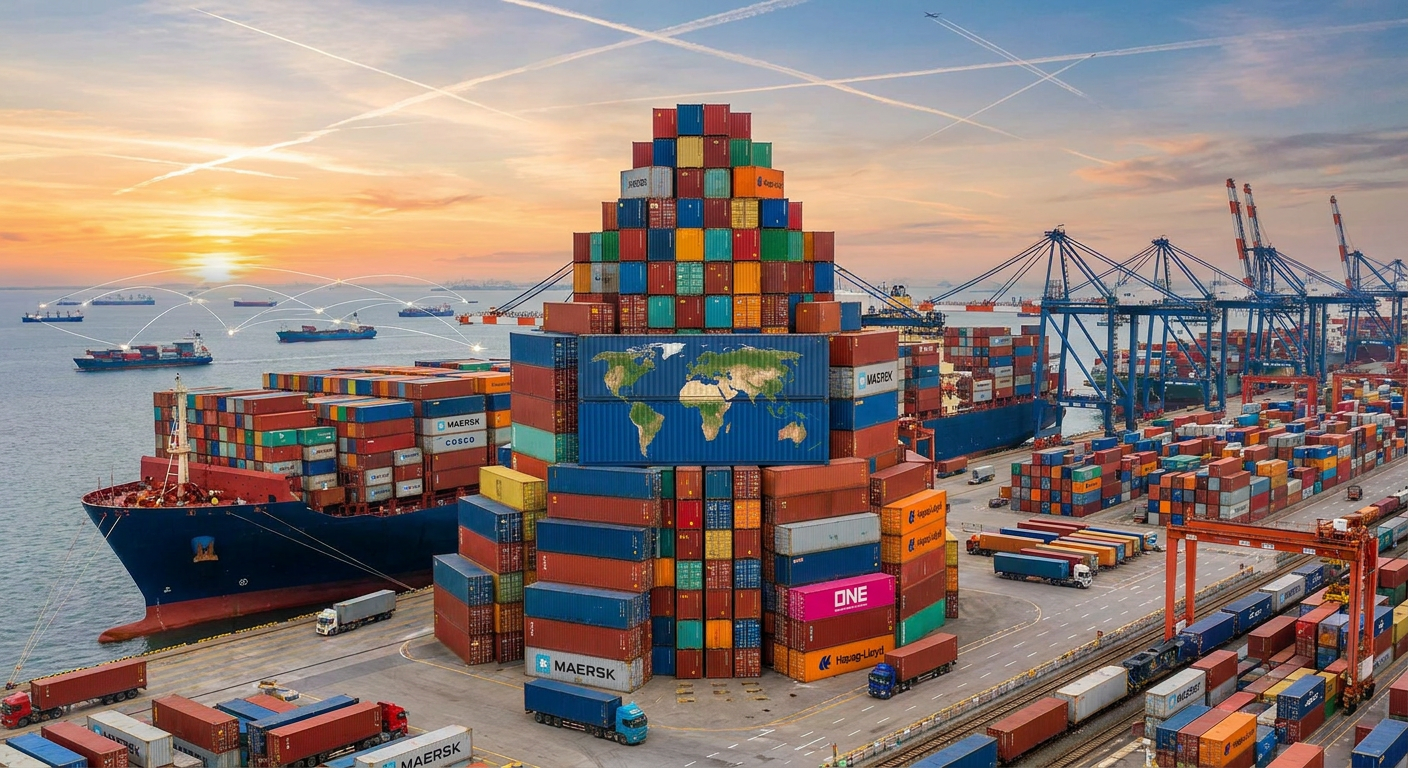
The steady beat of global commerce has changed. Today, the rhythm is more unpredictable, influenced by sudden shifts in trade policies and economic strategies from major world powers. For a Malaysian business owner, this means that a political decision made thousands of miles away can directly affect your bottom line. Tariffs, which are essentially taxes on imported goods, can increase the cost of your raw materials overnight. Similarly, new trade blocs or agreements can suddenly open up new export markets or, conversely, introduce new competitors to your local turf. At our core, we believe that staying informed is the first step towards taking control, turning what seems like chaos into a predictable pattern you can work with.
Making Sense of Trade Policies
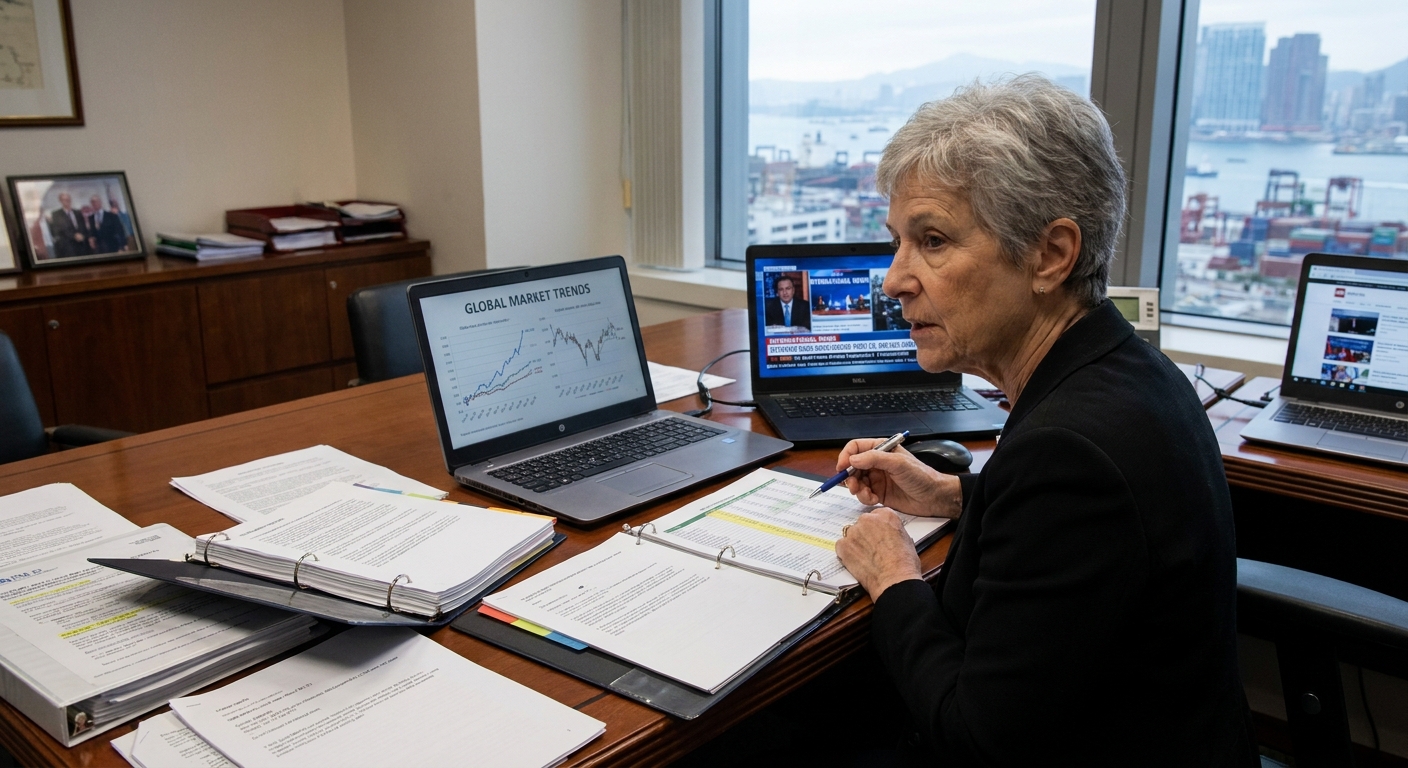
Navigating the world of trade policy can feel complex, but it boils down to two key areas for most SMEs: costs and opportunities. When tariffs are imposed on goods you import, your production costs rise. This forces a difficult decision: absorb the cost and reduce your profit margin, or pass it on to your customers and risk losing business. On the other hand, government responses to economic pressures, such as potential tax cuts or incentives, can provide much-needed relief. Developing effective small business tax strategies is no longer a year-end task; it is an ongoing process of monitoring government policy to maximise any available benefits and shield your business from financial strain.
Tackling Today’s Economic Hurdles
Beyond trade policies, the broader economic climate presents its own set of challenges. During uncertain times, securing financing can become more difficult as banks and investors become more cautious. This can stifle growth plans, from expanding your team to investing in new equipment. Another significant hurdle that has come into sharp focus recently is the fragility of our supply chains. The pandemic taught us a hard lesson about relying too heavily on single suppliers or distant countries. This is why building supply chain resilience for SMEs has become such a critical conversation. It’s about diversifying your suppliers, considering local sourcing options, and having a solid backup plan so that a disruption in one part of the world does not bring your entire operation to a halt.
Finding Silver Linings in the Storm
While it is easy to focus on the challenges, economic transitions also create incredible opportunities for those ready to see them. For instance, shifts in wealth and demographics can create new customer segments with different needs and spending power. Furthermore, in response to global pressures, governments often introduce programs and incentives to support local industries. This is where a proactive approach can pay dividends. Keeping a close watch on potential tax incentives designed to encourage investment in specific sectors—like technology or sustainable practices—is a key part of shrewd small business tax strategies. By aligning your business goals with these national priorities, you can unlock support that gives you a significant competitive advantage.
The Art of Being Agile
If there is one lesson to take from the current business environment, it is the importance of agility. The ability to adapt, learn, and pivot is what separates businesses that merely survive from those that truly thrive. This doesn’t mean you need to become an economist, but it does mean cultivating a habit of continuous learning. Stay curious about global trends, read about what is happening in your industry, and talk to your peers. When you see a change coming, treat it as a signal to re-evaluate your strategy. For example, building supply chain resilience for SMEs is a prime example of a strategic pivot that can turn a vulnerability into a strength, making your business more robust and reliable in the eyes of your customers.
In conclusion, the global economic landscape is undeniably in a state of flux, and it is reshaping the way we do business in Malaysia. The challenges, from navigating new tariffs and financing hurdles, are real. However, so are the opportunities. By staying informed and adaptable, SMEs can find new markets, leverage government incentives, and build stronger, more resilient operations. The key is to stop seeing these global shifts as distant threats and start viewing them as invitations to innovate. We encourage you to embrace this new era with a proactive mindset, continually refining your strategies to not only weather the storm but also to sail confidently towards a more prosperous future for your business.