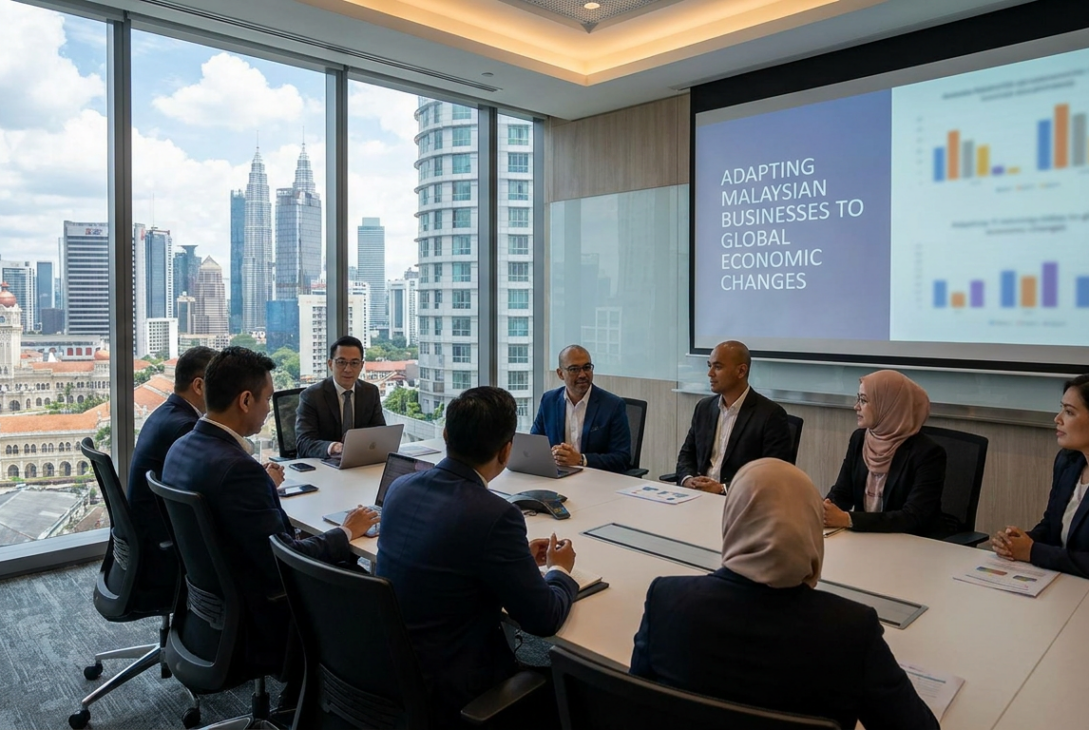
The global marketplace once seemed like a superhighway with clear routes and predictable traffic. Today, that road is constantly under construction. New tolls, surprise detours, and sudden lane closures have become the norm, leaving many business owners feeling uncertain. For Malaysian entrepreneurs, these shifts in global trade policies and economic rules aren’t just distant headlines; they are tremors that can shake the very foundation of a business. The key isn’t to hope the ground stops shaking, but to learn how to build a business that can withstand the vibrations. In this article, we’ll explore the real-world **business impact of economic policy changes** and provide a compass for navigating this new, dynamic landscape, showing you how to turn potential challenges into powerful opportunities for growth.
The New Currents of Global Commerce
Gone are the days of setting a five-year plan and sticking to it without deviation. International trade dynamics are now in a state of constant flux. We’ve seen major economic powers renegotiate long-standing trade agreements, and new tariffs can appear with little warning, directly affecting the cost of raw materials and finished goods. For a Malaysian business that relies on importing components from China or exporting products to Europe, these changes can dramatically squeeze profit margins. A sudden 10% tariff isn’t just a line item; it could be the difference between a profitable quarter and a loss. This uncertainty makes it difficult to forecast costs, price products competitively, and manage inventory effectively, creating a complex puzzle for even the most experienced business leader.
From Defence to Offence: Rethinking Your Supply Chain
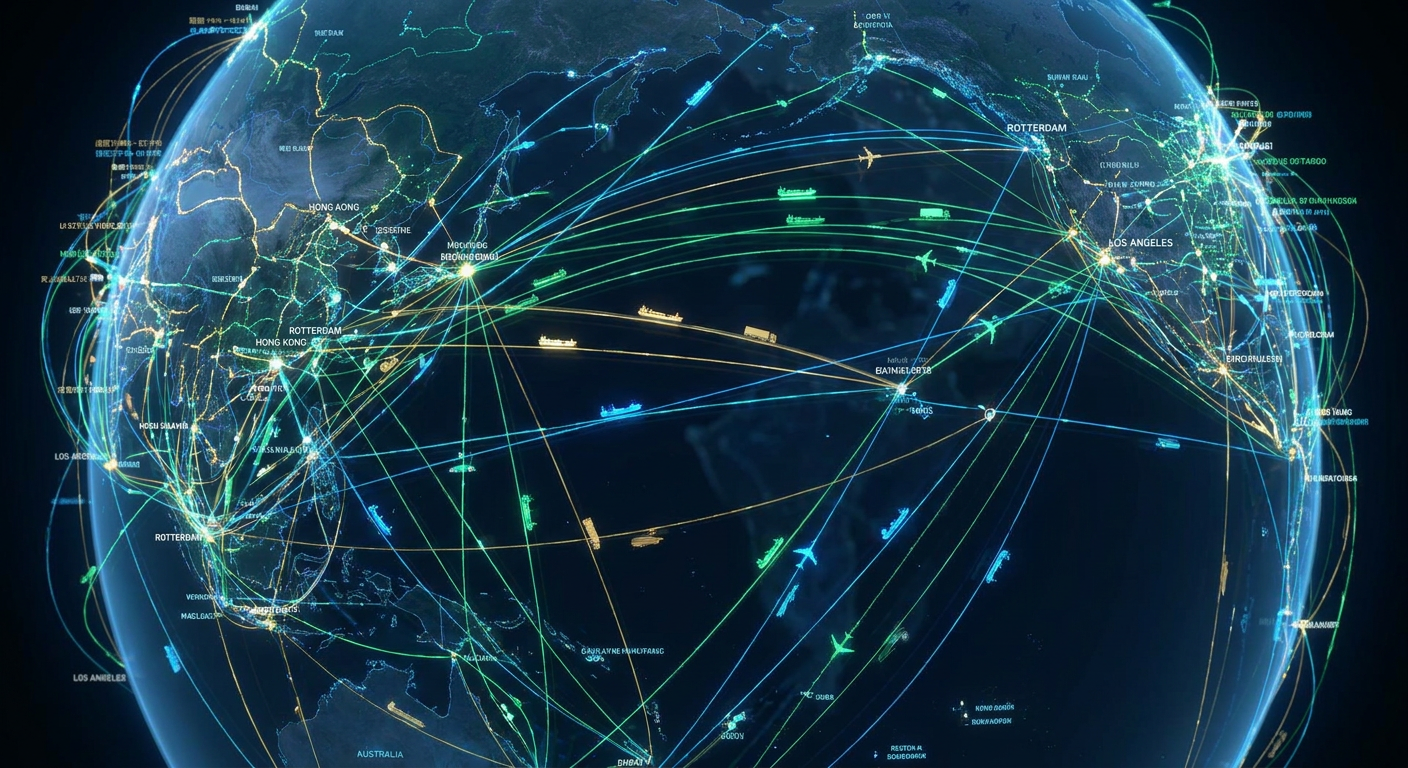
The first instinct when facing disruption is often to defend. Many businesses are now actively looking for ways to de-risk their operations. A key strategy is supply chain diversification. Relying on a single supplier or country for essential materials is a high-stakes gamble. Are there alternative suppliers within the ASEAN region? Can certain components be sourced locally here in Malaysia? Exploring these options not only builds resilience against geopolitical shocks but can also lead to discovering more efficient or cost-effective partners closer to home. This proactive approach is fundamental to building better Malaysian SME trade strategies that can withstand international pressures. It’s about creating a flexible network rather than a rigid chain, allowing you to pivot quickly when one link is compromised.
Finding Opportunity in Upheaval
While economic shifts create challenges, they also carve out new pathways for growth for those who are quick to act. When traditional trade routes are disrupted, new markets may suddenly become more accessible. For example, a trade dispute between two foreign countries might create a vacuum that a Malaysian company can fill. Similarly, if tariffs make imported goods more expensive for local consumers, it creates a golden opportunity for Malaysian-made products to shine. This is where strategic thinking comes into play. Businesses should be actively scanning the horizon for these openings. Could your product be adapted for a new market in the Middle East or Africa? Can you leverage government incentives, like those within the RCEP agreement, to gain a competitive edge? This forward-thinking mindset is crucial for adapting Malaysian businesses to global economic changes.

Building a Business That Bends, Not Breaks
In this new era, rigidity is the enemy of longevity. The most successful businesses will be those with flexible and agile models. What does this look like in practice? It means embracing technology to gain real-time visibility into your supply chain. It means exploring creative financing options beyond traditional loans to fund a sudden pivot. Most importantly, it involves building strong strategic partnerships. Collaborating with logistics partners, local distributors in new markets, or even other Malaysian SMEs can create a support system that helps you navigate uncertainty together. An agile business doesn’t just react to change; it is built for it. This adaptability is the core principle for any business owner looking to thrive in the current climate.
In conclusion, the shifting sands of global economic policy are a permanent feature of our modern business world. For Malaysian SMEs, ignoring them is not an option. The challenges are real, from unpredictable costs to supply chain disruptions. However, within these challenges lie significant opportunities. By proactively diversifying supply chains, actively seeking out new market gaps, and building flexible business models, Malaysian entrepreneurs can do more than just survive—they can thrive. It comes down to a fundamental shift in mindset from reactive defence to proactive offence. Developing robust Malaysian SME trade strategies is no longer a luxury but a necessity. Ultimately, the successful journey of adapting Malaysian businesses to global economic changes and understanding the **business impact of economic policy changes** will be defined by agility, strategic foresight, and a willingness to embrace change as a constant companion.